This Is Probably How Elon Musk’s SpaceX and Tesla Will Help Colonize Mars
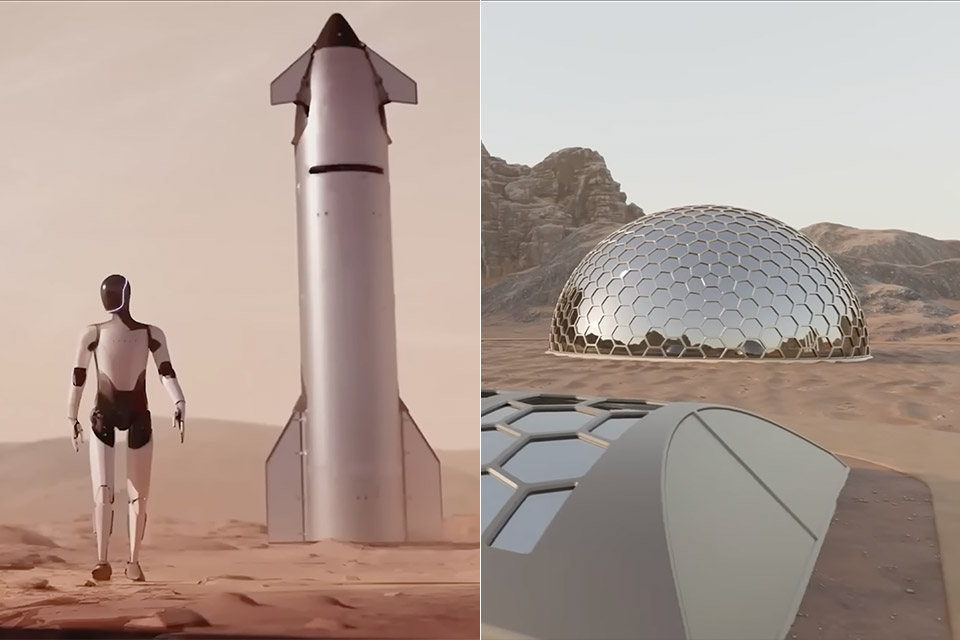
The aim of putting humans on Mars is currently driven by one guy, Elon Musk, and the entire enterprise he has built around that goal. At the core of it all is SpaceX, with their Starship vehicle serving as the primary piece of equipment meant to complete the operation. Tesla is also contributing, although primarily through energy storage and robotics, but the majority of the effort remains with SpaceX.
The future of everything going forward revolves around Starship. Its sheer scale eclipses any other spacecraft ever launched, capable of hauling a colossal 150 metric tons of cargo or people if reused, or a smaller but still remarkable 250 tons if built completely new. SpaceX intends to deploy uncrewed Starships to Mars during the next launch window in 2026, which is only achievable once every 26 months when Earth and Mars align exactly. That is when the first two or three flights will take place, with the first focus being on data collecting for high-speed atmospheric entry and landing on the Martian surface. If they get it right, they’ll have reliable touchdowns, but if not, it’s an opportunity to figure out what went wrong and what has to be fixed before the next effort.
Sale

Lego Technic NASA Mars Rover Perseverance Space Model with AR Application Experience, Construction Toy…
- Kids 10 and older can learn about the challenges of space exploration with this LEGO Technic building model kit from NASA’s Rover Perseverance to Mars
- Includes a Rover model with 360° steering wheel, movable arms and fully articulated suspension that allows the vehicle to move across uneven surfaces…
- The LEGO space set also includes a buildable toy version of NASA’s Ingenuity helicopter, which accompanied the Rover Perseverance and was used to test…
Once operational, cargo trips will begin, and by 2030, starships will be landing on the Martian surface with equipment for the first research stations, exploratory outposts, and, eventually, the first true long-term settlements. The total cost of the operation is expected to be around $100 million per ton of cargo landing on the surface. In the early years, many ships will launch in each window to generate some momentum, and as the operation grows, thousands of flights are expected, with ten or more departures each day during peak periods.
The robots will lead the way on the Martian surface. Tesla’s Optimus humanoid bots will be among the first to arrive, and their duty will be to perform all of the tasks that are simply too risky for humans. We’re talking about the major ones: freezing low temperatures, near-vacuum pressures, relentless radiation, and gigantic dust storms that block out the sun for weeks. While the humans remain safe on Earth, they will deploy solar panels, dig up water ice, and begin to build some basic infrastructure.
The major landing area will be the Arcadia region around the equator. Its flat landscape makes life much easier for the landers, while neighboring water ice formations supply raw materials for survival. These robots will begin to extract and process the ice, converting it into potable water and separating it into oxygen for respiration and hydrogen for fuel. The Martian atmosphere will provide carbon dioxide, which will be used to produce methane propellant through recognized chemical processes. All of this will enable fuel to be created locally, allowing for return journeys and continued operations without the need for constant shipments from Earth.
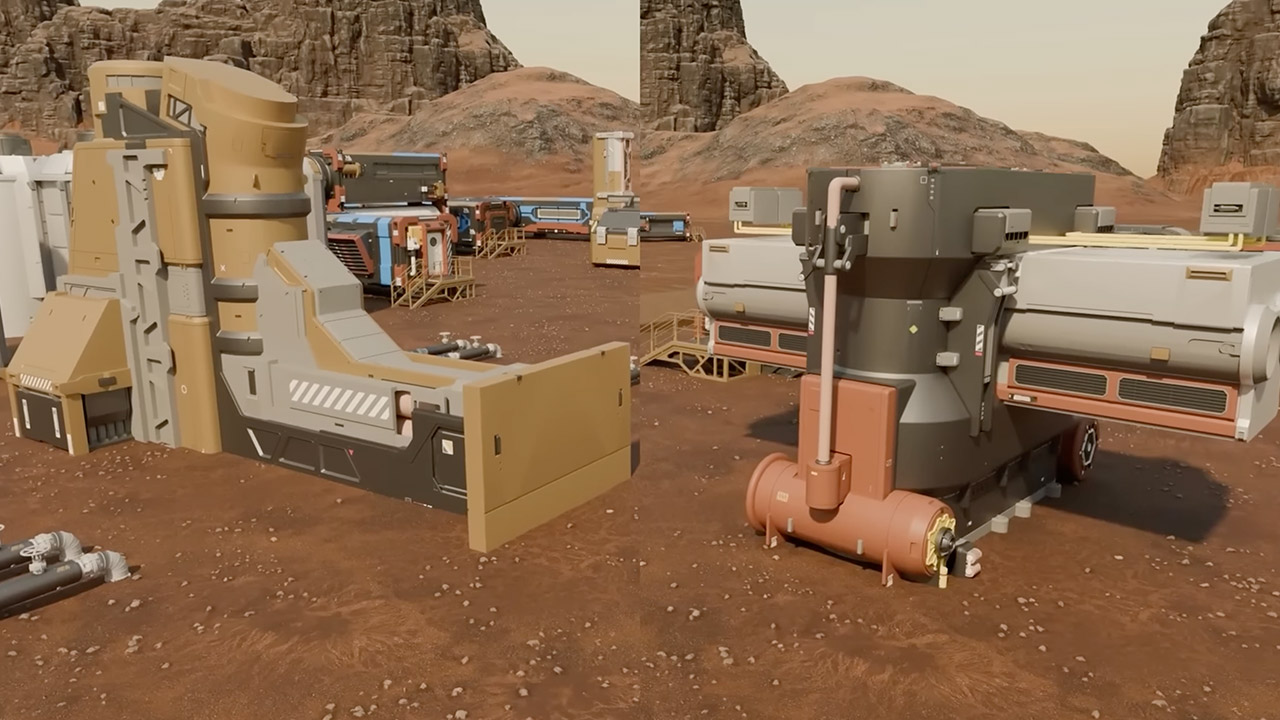
Once the robots have established their reliability, it will be time for the humans to arrive. So around 2029 or the early 2030s, depending on how the flight testing go and when the orbits line up perfectly. The initial crews will transport some more goods, set up some habitats, and turn on the power systems. The solar arrays will generate power throughout the day, and Tesla Megapack batteries will keep things operating through the long Martian nights. Mars has a pretty reasonable day length of 24 hours and 37 minutes, just like Earth, which could help with adaption.
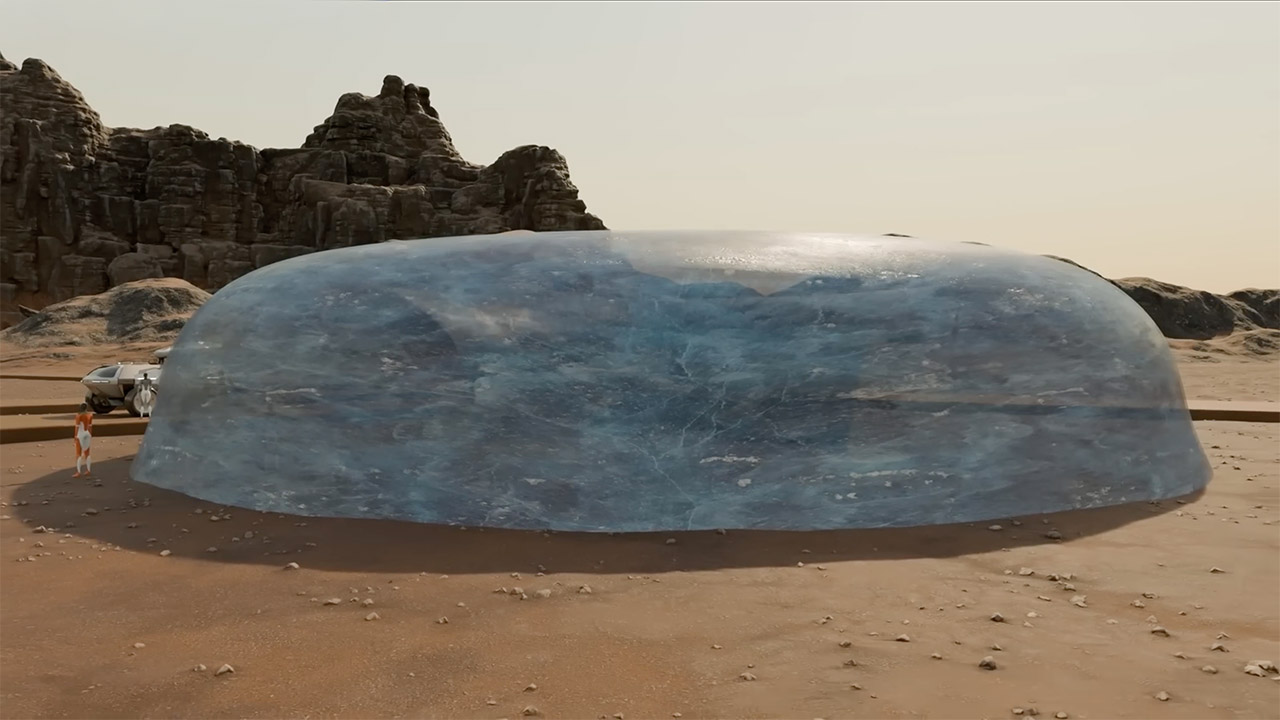
Permanent structures will follow, replete with inflatable domes filled with water ice to keep the cold and radiation at bay while allowing the sun to shine through. Ground regolith is combined with binders to generate extremely strong building materials for underground shelters and surface domes. What about the garbage produced by all of our human activities? – It is converted into fertilizer for our regulated settings and used to grow certain food. Of course, there is the issue of perchlorates in the soil that needs to be addressed, but local products gradually begin to replace all exports from home.
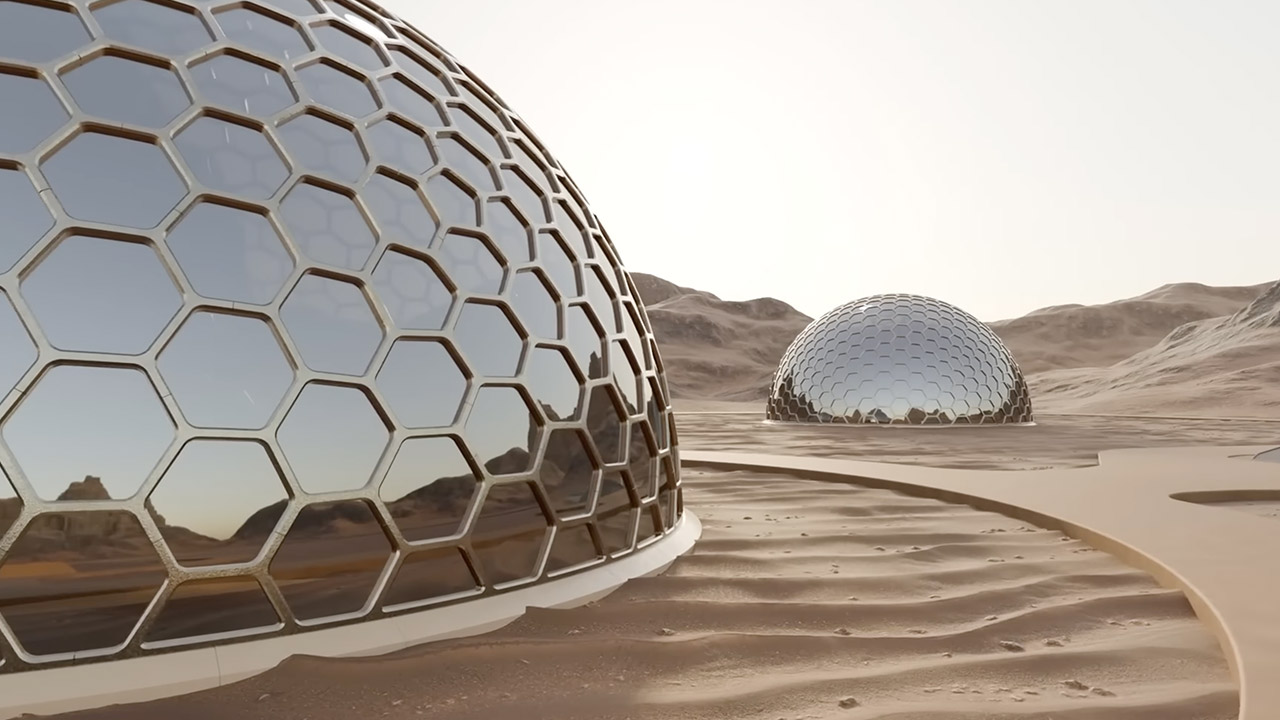
Over the course of decades, a self-sustaining metropolis emerges, and SpaceX hopes to eventually be home to more than 1 million people. There will be industries on-site, mining for materials, manufacturing parts, and producing all necessary items. The problem is that this colony must be able to continue operations even if Earth links are lost, and the months it takes to receive a response make that impossible. According to Elon Musk, this is the time at which mankind will truly and permanently become a multi-planetary species.
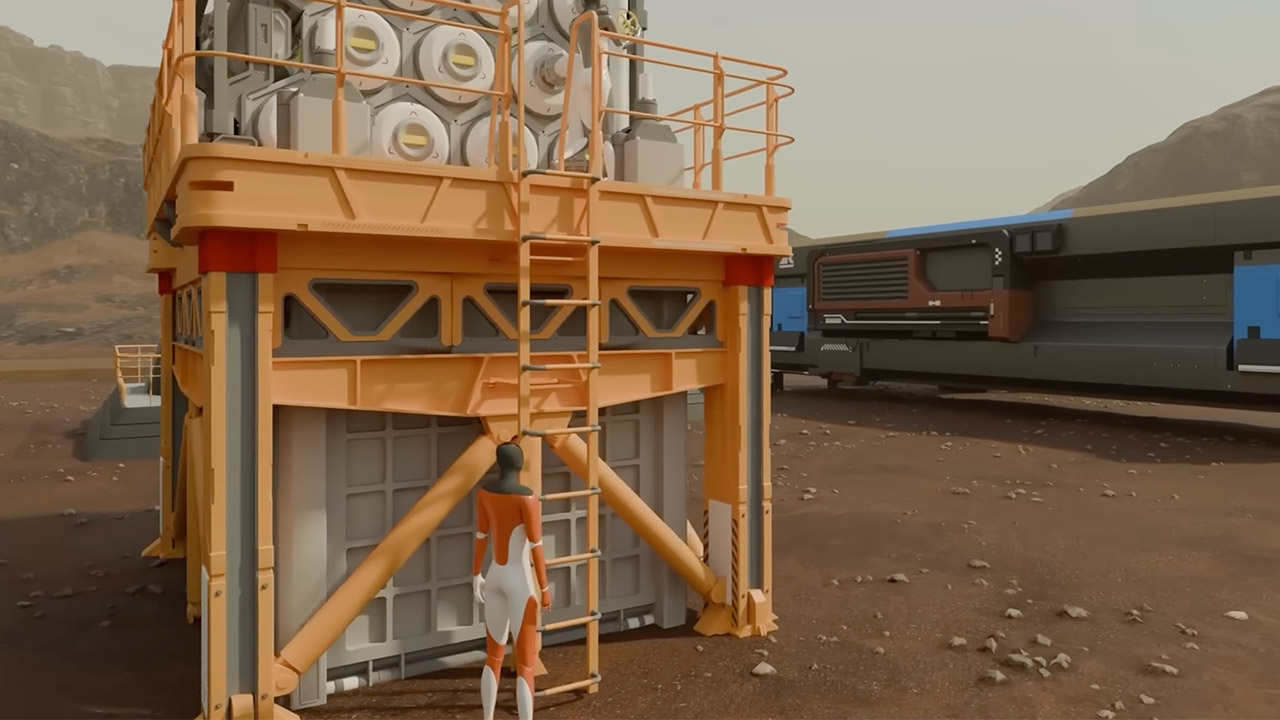
Tesla’s achievements go beyond batteries, of course; its Optimus robots are a game changer in construction and maintenance. They are significantly faster than humans in building and repairing things. Energy storage technologies can also assist keep the lights on during dust storms and long night cycles. And at the center of it all is Elon Musk’s shared vision: Starship will transport people and equipment to Mars, while Tesla technology makes life on the red planet viable and scalable.
This Is Probably How Elon Musk’s SpaceX and Tesla Will Help Colonize Mars
#Elon #Musks #SpaceX #Tesla #Colonize #Mars