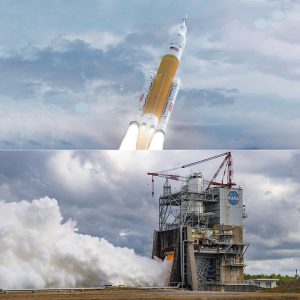
NASA Successfully Conducts Hot Fire of RS-25 Engine That Will Power the SLS (Space Launch System) Rocket
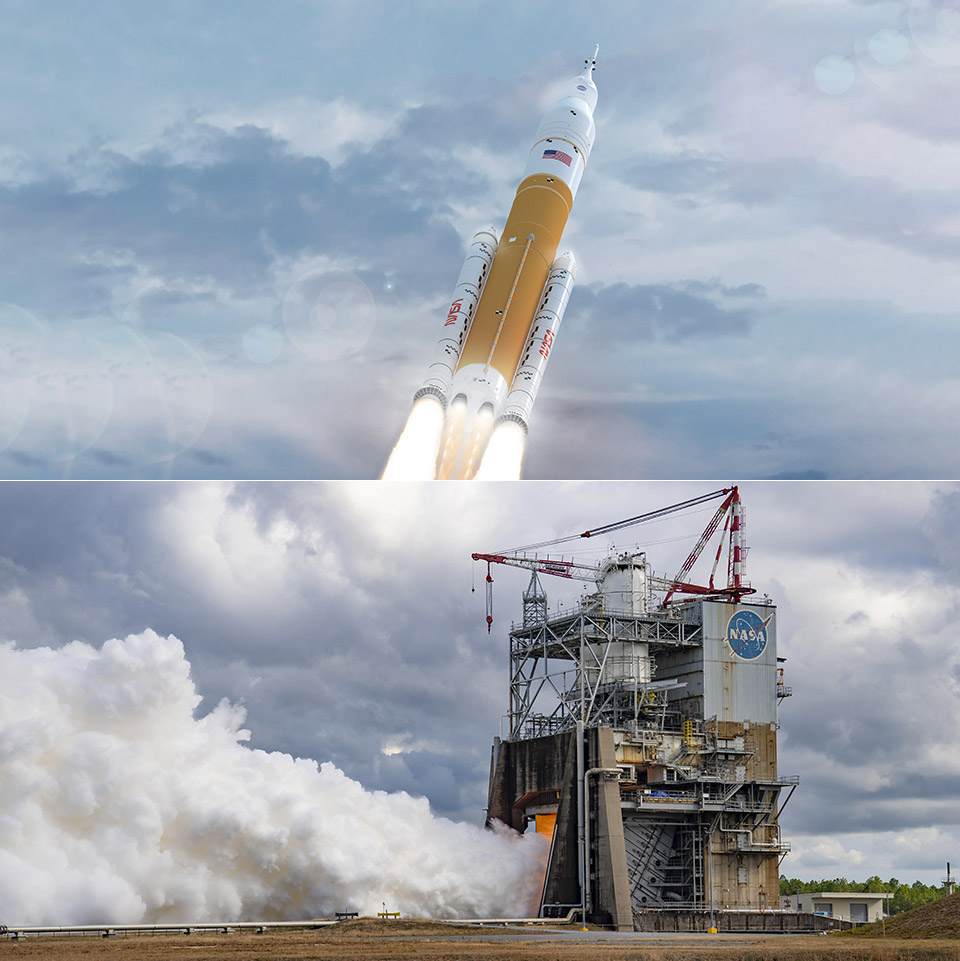
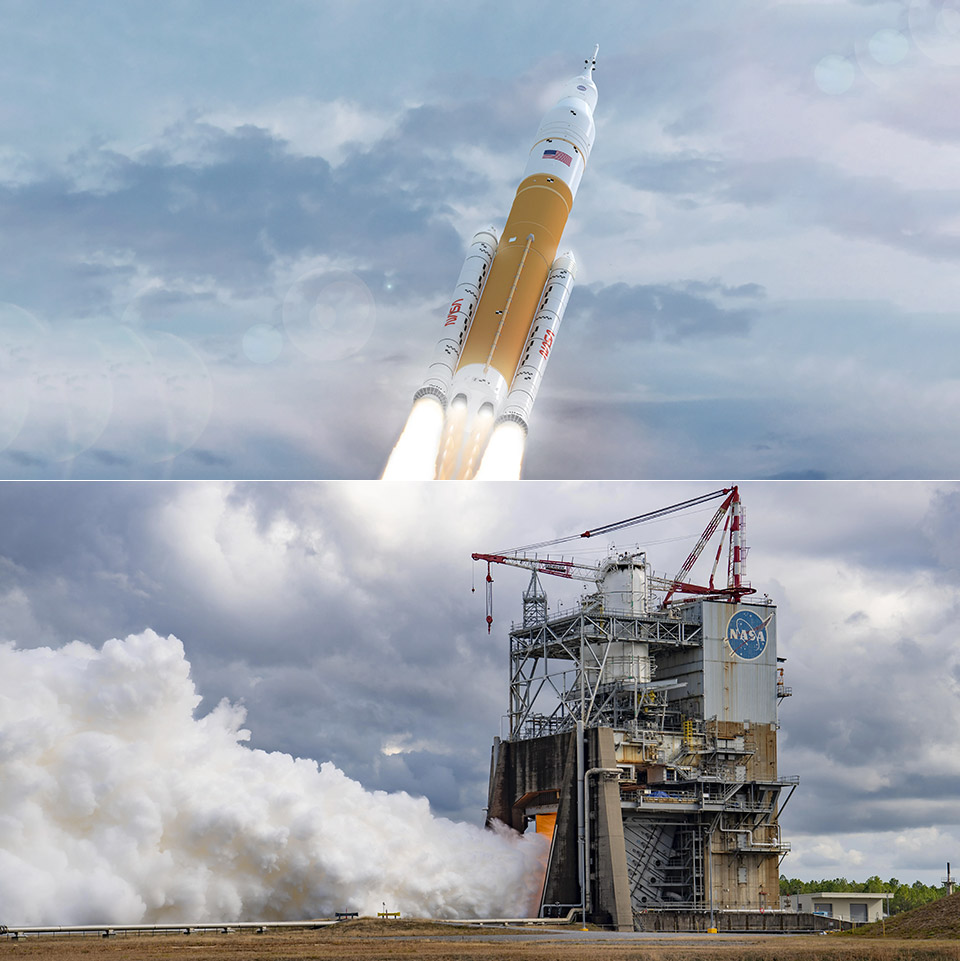
Photo credit: Chris Russell
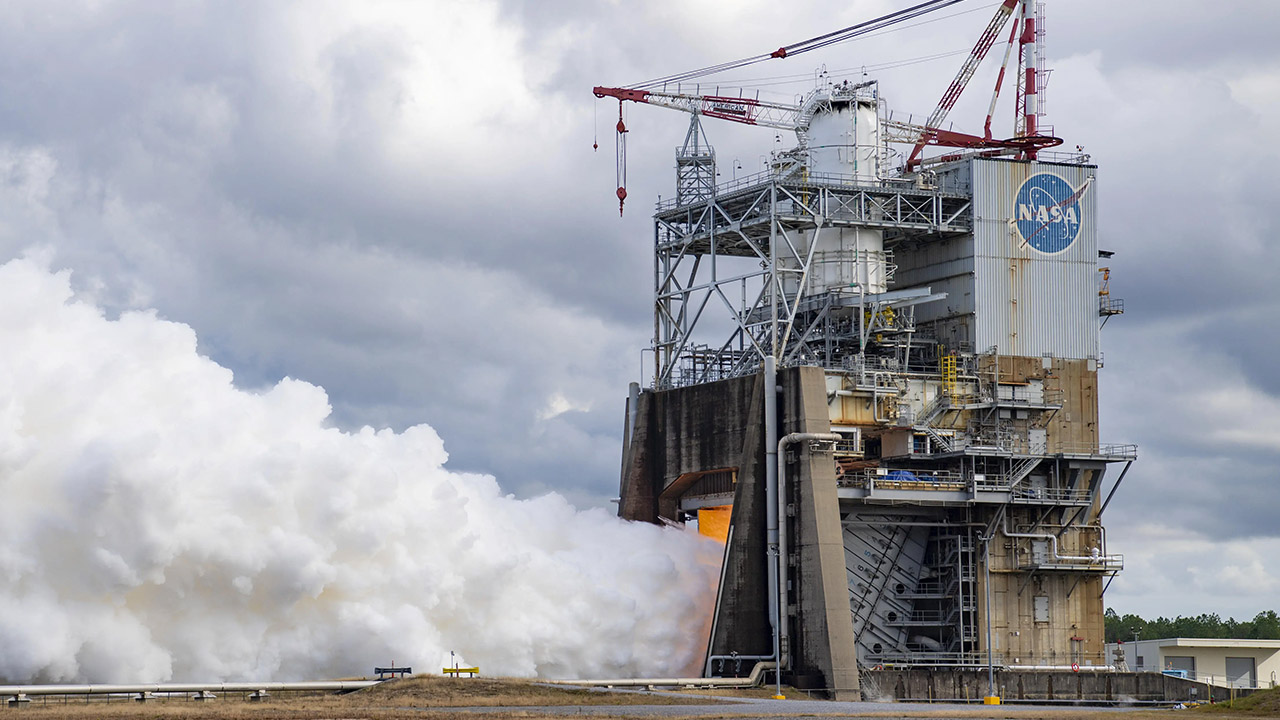
The recent hot fire test of an RS-25 engine marked a big step forward for NASA’s Artemis program, and it went practically unnoticed. On January 22, 2026, engineers at Stennis Space Center in Mississippi took out one of the RS-25 engines, number 2063, and tested it on the Fred Haise test stand. This included a 5-minute burn, and thankfully, everything fell into place. The engine delivered 109% of its rated power output, providing the rock-solid, robust performance required to place the Space Launch System rocket into orbit with little fuss.
This engine has considerable history, as it was originally planned for the SLS core stage of the Artemis II mission, the first crewed flight that would transport four people around the Moon and back. However, last year, a hydraulic leak appeared in the worst possible place: the primary oxidiser valve actuator, which is responsible for delivering propellant into the combustion chamber. Teams went through the processes of removing the engine, replacing the faulty component with a sparkling new one, and then waiting for the verification run. Before being given the all-clear, a restored engine must demonstrate its capabilities in a hot fire. So, now that this test went off without a hitch, number 2063 is ready to embark on the SLS core stage for Artemis IV.

LEGO Technic NASA Artemis Space Launch System Rocket Building Toy for Boys & Girls – STEM Learning &…
- BUILD AN OFFICIAL NASA ROCKET – Kids prepare to explore outer space with the LEGO Technic NASA Artemis Space Launch System Rocket (42221) building…
- 3-STAGE ROCKET SEPARATION – Young builders can turn the hand crank to watch the rocket separate in 3 distinct stages: solid rocket boosters, core…
- STEM BUILDING TOY FOR KIDS – This educational rocket kit was created in collaboration with NASA and ESA to showcase the authentic system that will…
Every RS-25 engine selected for an Artemis mission receives the same treatment at Stennis, including a thorough certification process. NASA, L3Harris, and Sierra Lobo, the usual suspects, worked together to make this feasible. As the engine roared to life, enormous clouds of vapour billowed into the Mississippi air, while the improved test platform kept the noise and force under control.
Now imagine four RS-25 engines clustered at the bottom of the SLS core stage, each generating a large portion of the rocket’s overall thrust, which totals more than 8.8 million pounds. There are two solid rocket boosters on top of that, while the engines run on liquid hydrogen and liquid oxygen to produce pure exhaust, leaving only water vapor. They were originally designed for the space shuttle program, but they have since been modified and updated to offer slightly more power for SLS flights.
Each successful milestone, such as this one, brings the potential of Artemis II closer to reality, and this one is particularly significant because it will be the first time humans have ventured into deep space in quite some time. They will be further away from Earth than any human has been since the Apollo era, and this is real exploration terrain. While the engines that will power Artemis II have already been approved and installed, testing like this keep the pipeline running for future missions, which is critical, especially when it comes to delivering people to the Moon and ultimately Mars. Artemis IV is one of those future missions, and it will use this engine to help prepare for long-term lunar exploration and beyond.
NASA Successfully Conducts Hot Fire of RS-25 Engine That Will Power the SLS (Space Launch System) Rocket
#NASA #Successfully #Conducts #Hot #Fire #RS25 #Engine #Power #SLS #Space #Launch #System #Rocket