Super Mario 64 with Microtransactions Charges for Every Step
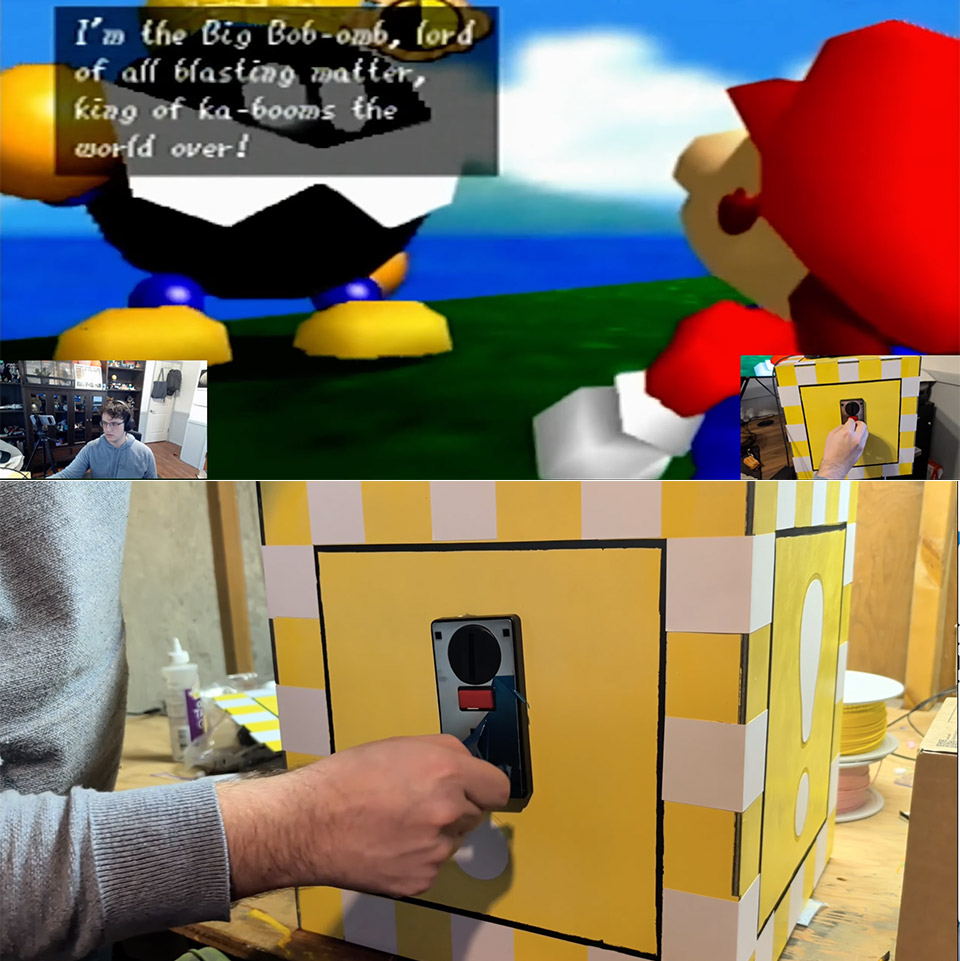
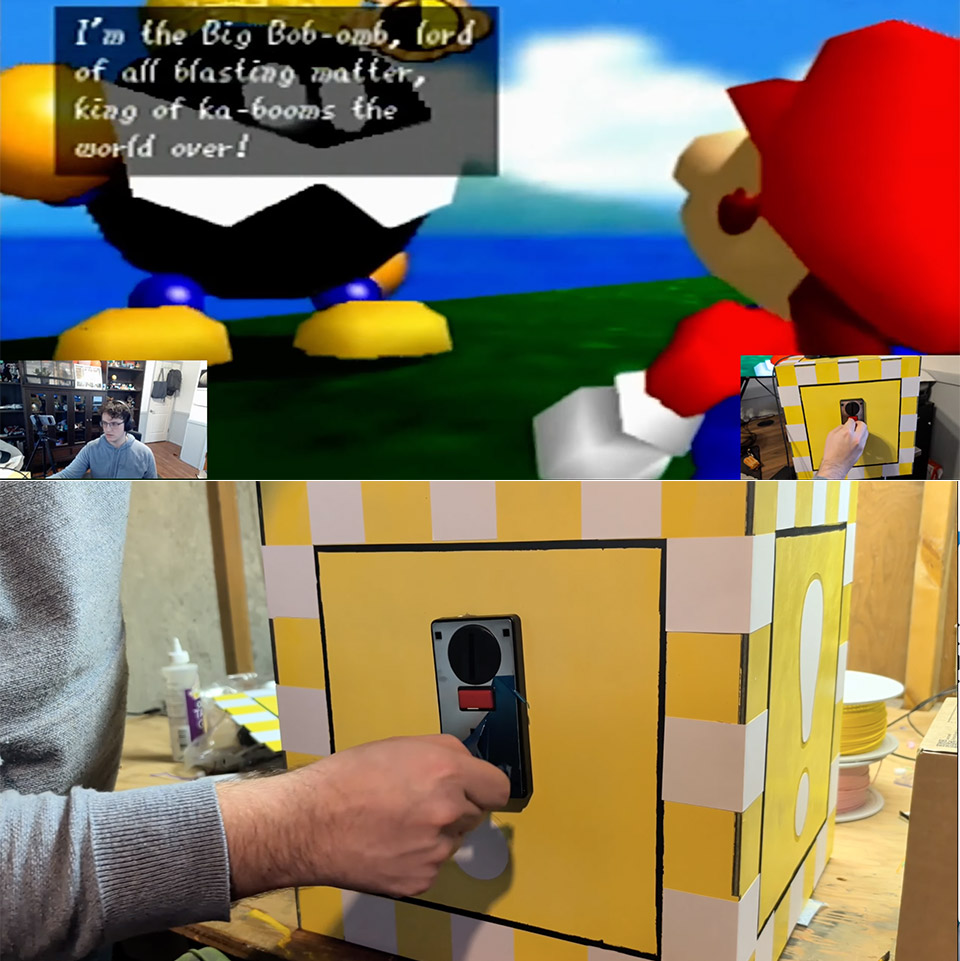
Super Mario 64 has jumped into 2026, but in a microtransaction kind of way. A developer named PrintAndPanic adapted the famous 1996 N64 game and managed to insert real money into every move. Now, the trusty coin slot is used to determine how far Mario can sprint or jump dependent on the amount of cash inserted.
This isn’t simply a straight port of the original hardware, either; they’ve altered it to turn what should be easy platforming into a nail-biting budget fight. Players begin with a $10 roll of coins and watch with rising concern as that balance depletes with each move they perform.
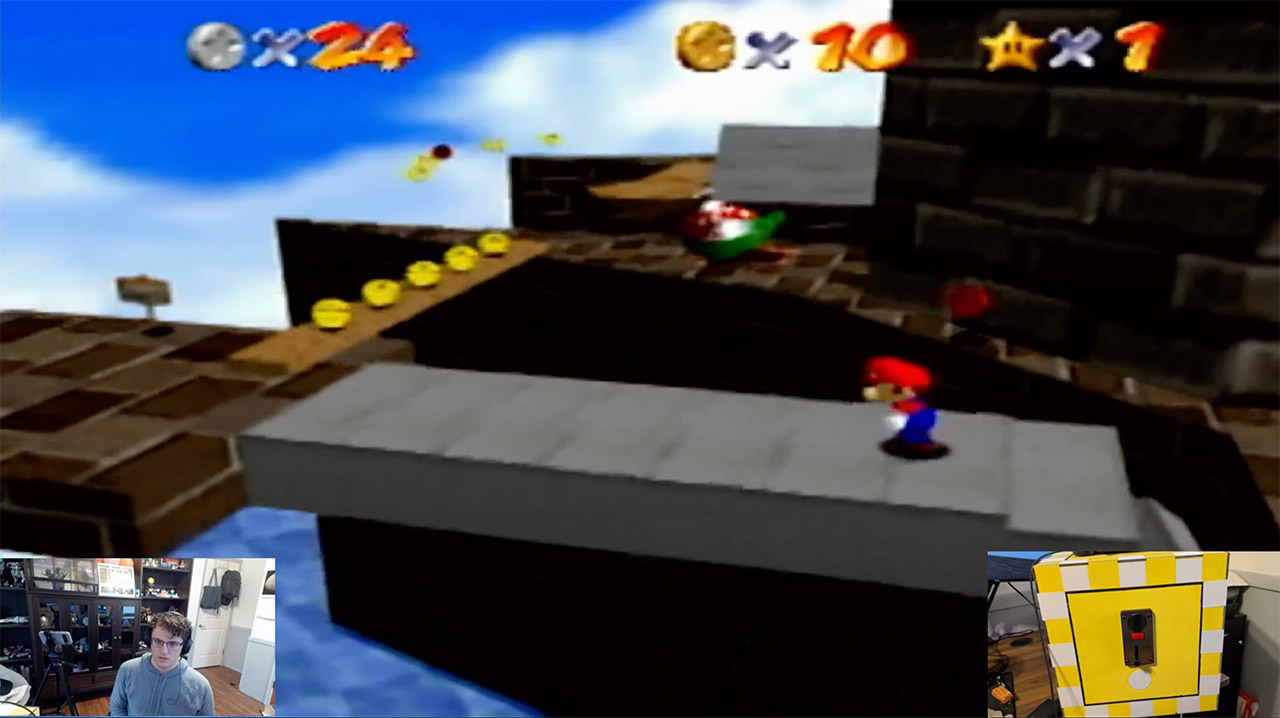
Mario uses up the player’s money at a rate of one penny every second. Meanwhile, each jump costs them five full cents. To add some actual time pressure, the credits (yep, that’s what they’re calling the money now, real credit) are ticking away second by second. When that balance finally reaches zero, Mario begins to slow to a crawl; he’s about as useful as a wet sock, barely able to outrun the laziest Goomba or climb the simplest hill without people ponying up more money.
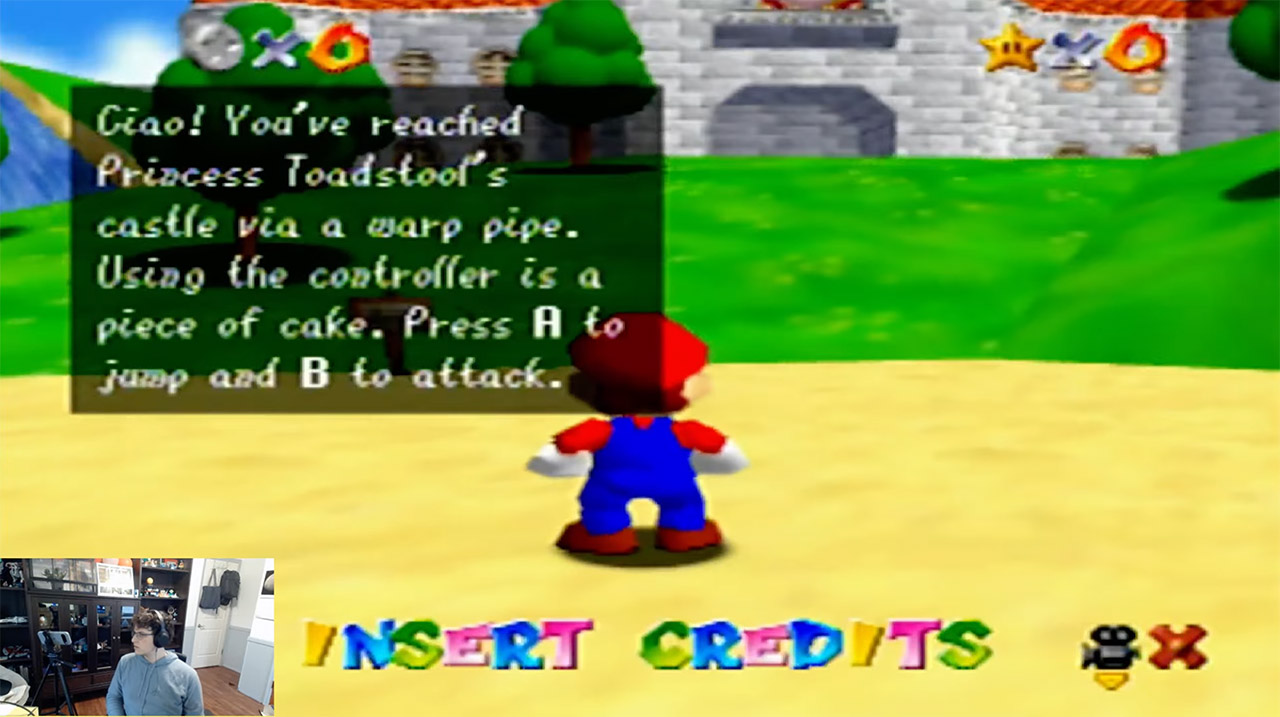
At that moment, it’s as if the game shifts to a whole other mode; progress comes to a halt until you keep adding coins to the mix. To make all of this magic happen, PrintAndPanic had to get to work on the hardware side of things. That involves pairing a Raspberry Pi 3B+ with a SparkFun Serial Coin Acceptor – the moment they insert a quarter, the device sends a signal over a serial line, and the Pi handles the rest.
Meanwhile, an Everdrive X7 flash cart is loading a hacked version of the original ROM onto the N64. Since this was handled by the brilliant minds who created the SM64 decompilation project, they were able to introduce some custom code that constantly checks in with the server for the most recent balance check. What does that do? Well, it decides how much authority Mario has, which is entirely dependent on how much money folks have donated.
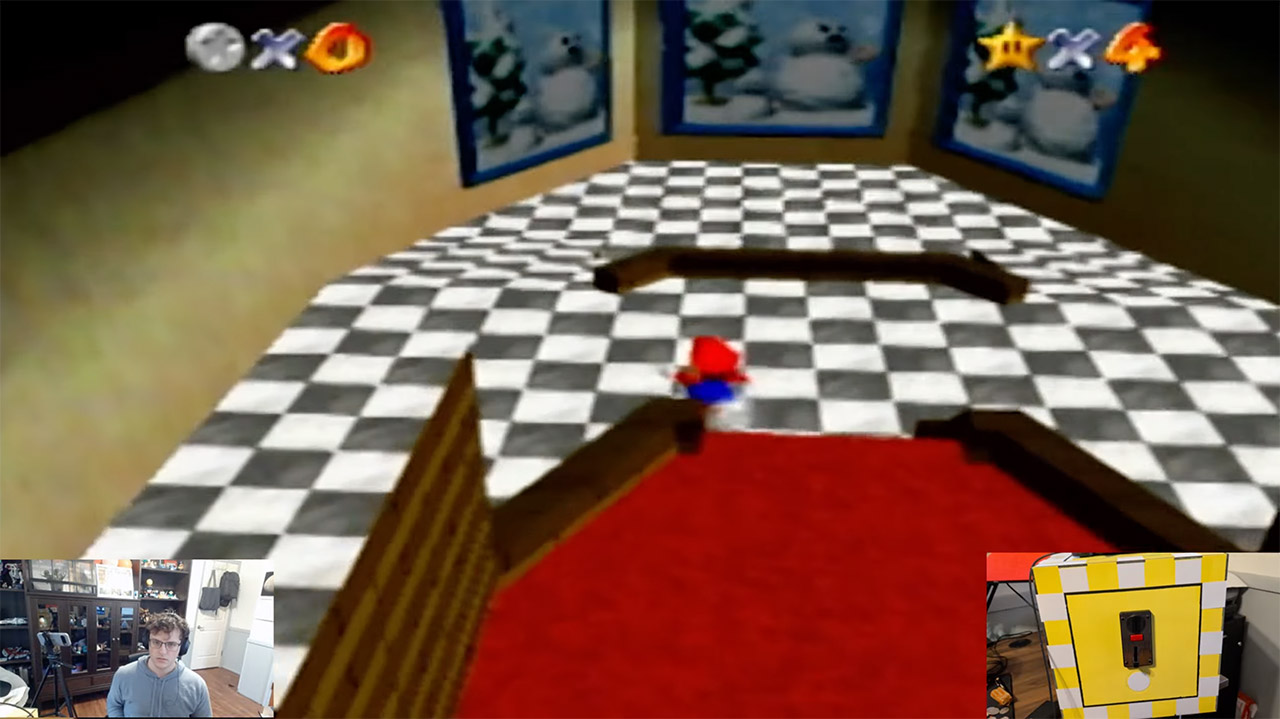
Setting this thing up isn’t easy, though, because there’s a careful balance to be struck between the voltage from the coin acceptor and the items required to keep the Pi safe. To complete the setup, you’ll need a 12V power source, an HDMI converter, and an Elgato 4K capture card. PrintAndPanic printed the custom pieces on their trusty Sovol SV06 Plus 3D printer before soldering all of the connections after a few rounds of testing to ensure there were no bad joins.

On average, each quarter nets roughly 18 credits, but let’s be honest, with prices rising these days, it’s not surprising. Overall, the gameplay is very chaotic, with Mario shuffling his way towards the first Bowser door while urgently trying to stay inside budget. Early on, you can get away with dodging foes by strolling along the sides of platforms to save a few pennies, but this isn’t always sufficient. Those pesky Goombas will still catch up with you if you aren’t cautious, so break out the piggy bank for a sudden burst of speed when you need it the most.
The code is even accessible on GitHub for anyone who wants to play with it; because it’s forked from the same SM64 decompilation project, you can easily modify the rates or add other features if you wish. PrintAndPanic took it a step further by creating a custom container for the entire device, combining the classic N64 aesthetic with some seriously current coin-op flair.
[Source]
Super Mario 64 with Microtransactions Charges for Every Step
#Super #Mario #Microtransactions #Charges #Step