Playing Hyperbolic Chess Where Space Itself Expands


A completely new chess variant has emerged, flipping the game on its head by modifying the playing surface. Manny, who runs the YouTube channel mannymakes, has constructed a playable version of chess utilizing hyperbolic space and posted it on his website mchess[.]io, where players can compete against another human or a quite capable AI opponent.
Hyperbolic space has its own rules, unlike the flat plane we’re all familiar with. Parallel lines in common geometry remain evenly spaced indefinitely, but in hyperbolic space, they begin to curve away from one another, and the further you walk away from the center, the more space there is. This allows designers to tile the surface with little gaps or overlap by using standard octagons, with three meeting at each corner.
Sale
Magnetic Wooden Chess Set for Adults Kids 15” Chess Board with Handmade Pieces, Folding Portable Travel…
- ♕EXCELLENT QUALITY♛: The Staunton style wooden chess set is made up of walnut and maple with well polished and smooth. The 34 pieces are also…
- ♕FOLDING CHESS BOARD♛: The magnetic chess board is large enough but quite compact when folded up. The extended size is 15 x 15 x 1 inches, the…
- ♕MAGNETIC CHESSMEN♛: These handcrafted pieces are constructed of nice quality wood, not lightweight. Built in strong magnetism, pieces stay in…
Manny utilized the Poincaré disk model to draw the board on the screen. Every area of the board fits within a circle, with tiles becoming smaller as they approach the circle’s edge to demonstrate the huge distances. With a four-layer radius, the board has 161 of these octagonal tiles, more than doubling the typical 64 squares. Add another layer, and the number of tiles increases by hundreds, demonstrating how quickly things expand.
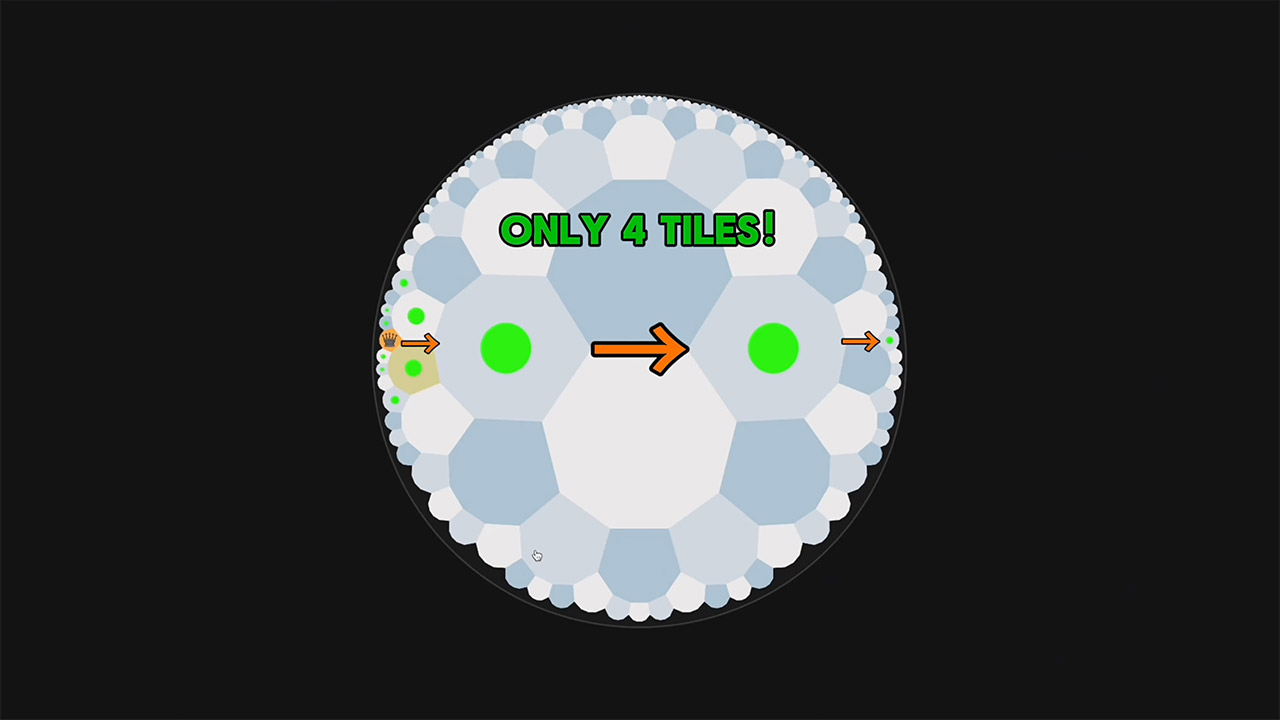
However, transferring standard chess pieces to this curved universe was a very other experience. Rooks simply follow straight lines, or geodesics, in any of eight possible directions. Queens simply mix them with some diagonal movement. Bishops are given an extra dunter in a non-capturing direction to reach everything on the board, as the board requires three colours to alternate properly.
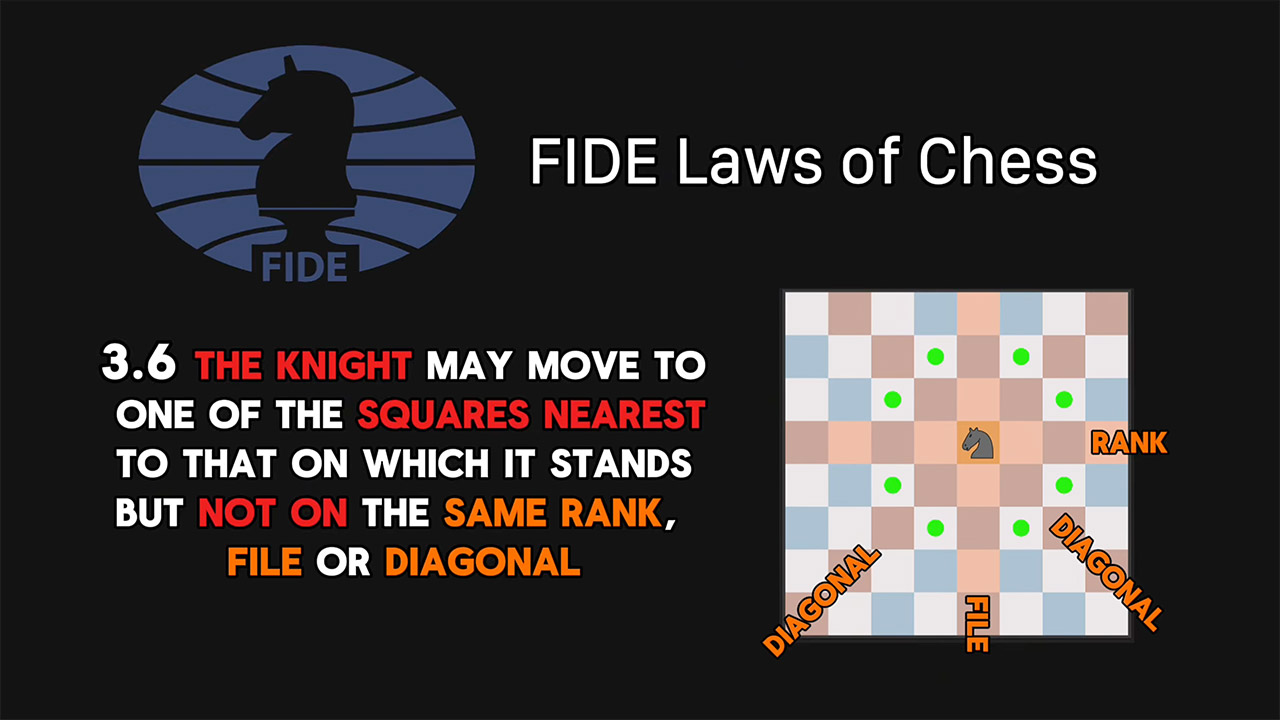
Knights are a bit of a surprise since they jump in a pattern that begins with one stride straight ahead and then turns sideways, producing long, meandering routes that can confuse individuals who are used to the L-shape. At first, pawns travel in numerous directions and capture diagonally, but the lack of a fixed “up” direction makes things feel weird. Promotion takes place in a designated area further away.
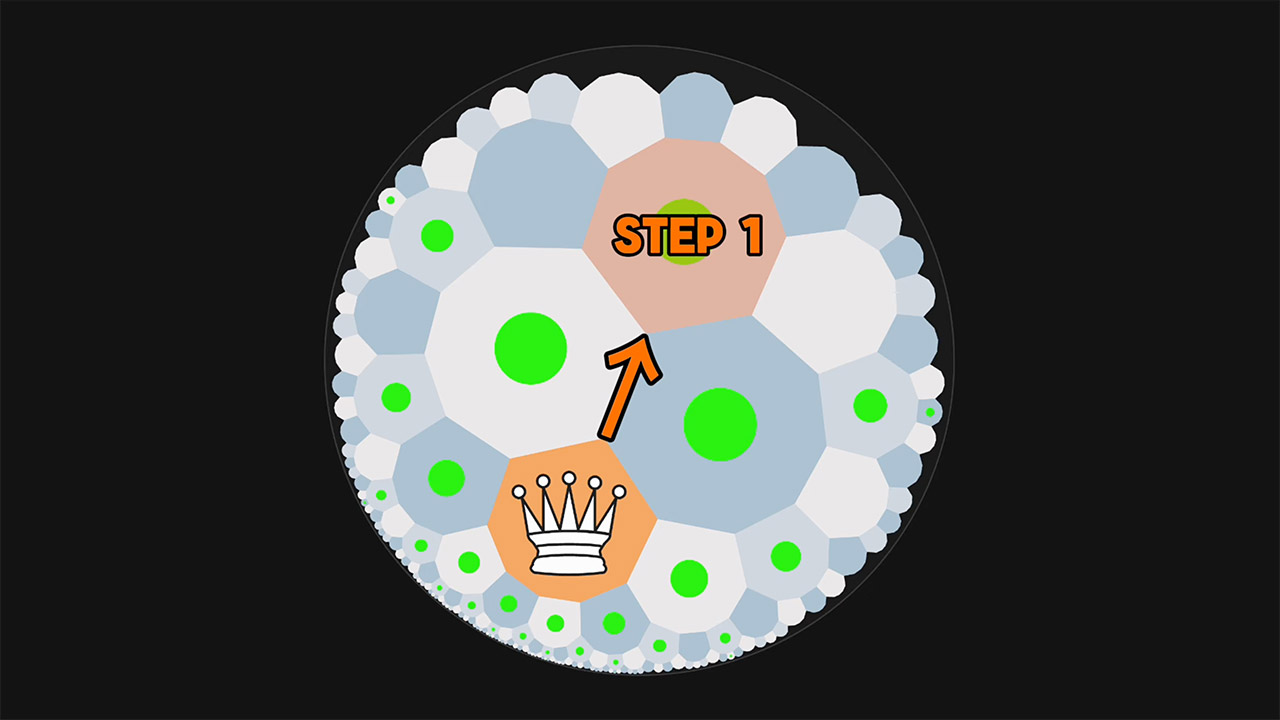
Attempting to navigate the board adds an additional level of difficulty, as moving the camera can shift perspective in ways that rotate the entire layout somewhat, which is a natural aspect of how movement works in hyperbolic space known as holonomy. Manny modified parts of the controls to keep the pieces upright while still allowing for seamless panning, including a custom key to snap back to center.
As you move pieces closer to the board’s edge, their power decreases since there are fewer paths available. Central positions provide more alternatives, thus taking control of the middle early on can be very beneficial. Games can be disconcerting at first because the board is continually expanding, pushing you to adjust. Manny is being rather open with this beta release, eager to hear ideas on how the pawns should act or recommendations for how to incorporate castling. The AI is fairly good, however it does occasionally make mistakes when learning new rules. Joining a linked Discord server allows you to play against another human.
[Source]
Playing Hyperbolic Chess Where Space Itself Expands
#Playing #Hyperbolic #Chess #Space #Expands