Hubble Peers Into Lupus 3, a Ghostly Star-Birthing Cloud
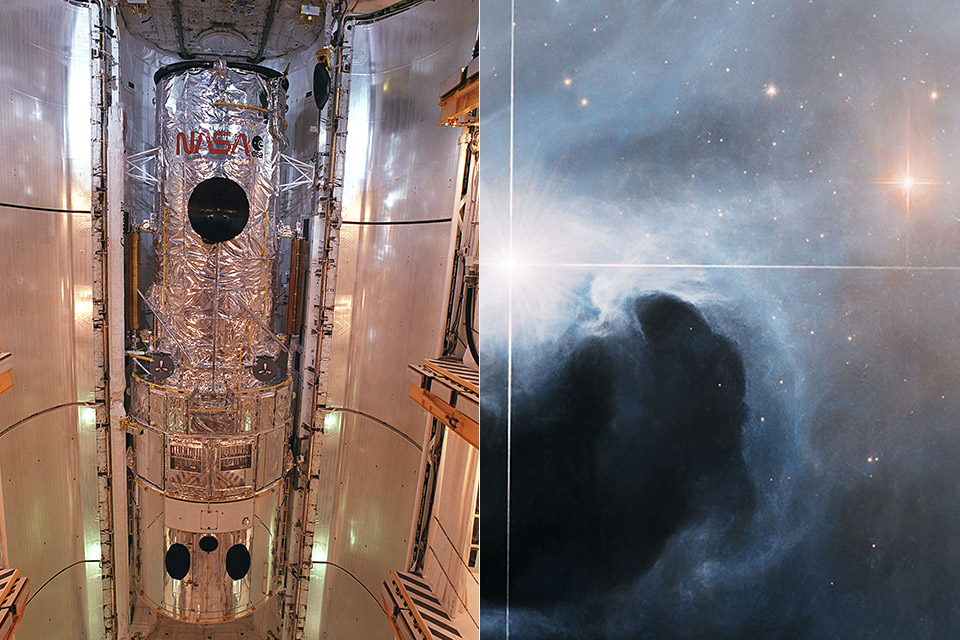
A thin veil of gas and dust seeps across the frame, giving the picture a ghostly appearance. White tendrils curl through the blackness like wisps of smoke, while a large dark patch anchors the bottom left giving a sense of stability. Points of light shine out against this backdrop, indicating young stars in their early stages of development as they navigate the universe. Lupus 3, located in the Scorpius constellation, around 500 light years from Earth, was showcased in Hubble’s latest image.
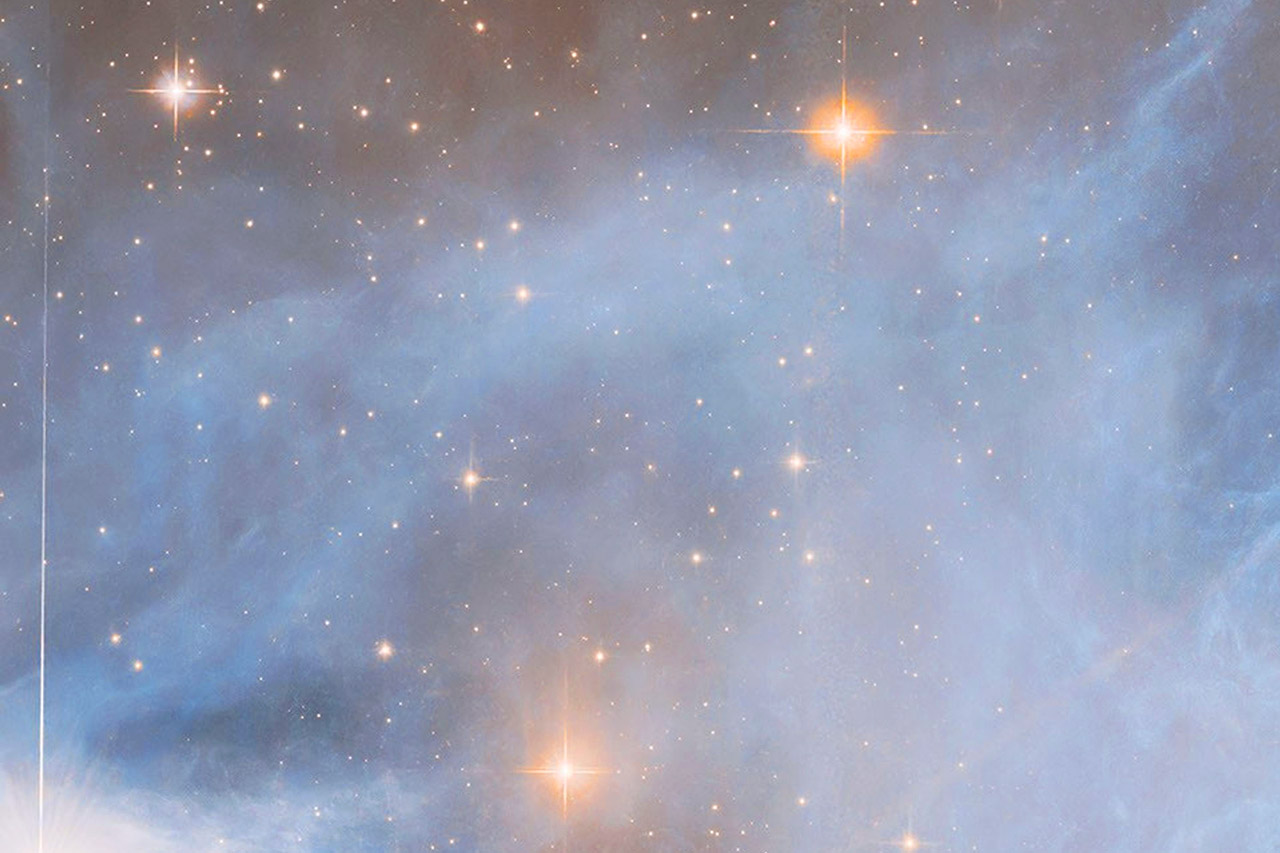
This is part of a larger collection of dark clouds where gravity begins to pull material together, eventually resulting in the formation of new stars. You’d think the Hubble Space Telescope would have been able to see some of this from Earth, but its keen eye catches up on details that ground-based telescopes typically miss due to atmospheric interference. Some of the cloud’s finer features are just beginning to emerge, such as wisps of gas swirling around and bright edges where light reflects off the dust.

LEGO Icons Shuttle Carrier Aircraft Building Set for Adults – Spaceship & Airplane Model Kit for Adults,…
- 2 AVIATION LEGENDS, 1 BUILD – Recreate the iconic Boeing 747 and NASA Space Shuttle Enterprise with the LEGO Icons Shuttle Carrier Aircraft (10360)…
- DEPLOY LANDING GEAR – Turn the dial to extend the massive 18-wheel landing system on your airplane model, just like real flight operations
- AUTHENTIC FEATURES & DETAILS – Remove the tail cone, engines, and landing gear from the NASA shuttle and stow them in the cargo bay during flight
The brighter regions are dominated by young stars known as T Tauris, which are all less than 10 million years old and are still contracting under their own gravity on their approach to settling down and fusing hydrogen. They can be quite unpredictable; sometimes they just flash randomly because something is building up on them or they’re having a temper tantrum, and other times it’s because a large splotch is rotating into place on the surface. Several of them are jutting out on the left edge, one in the bottom right corner, and another near the top center, with a few wisps of gas lingering where they came from.
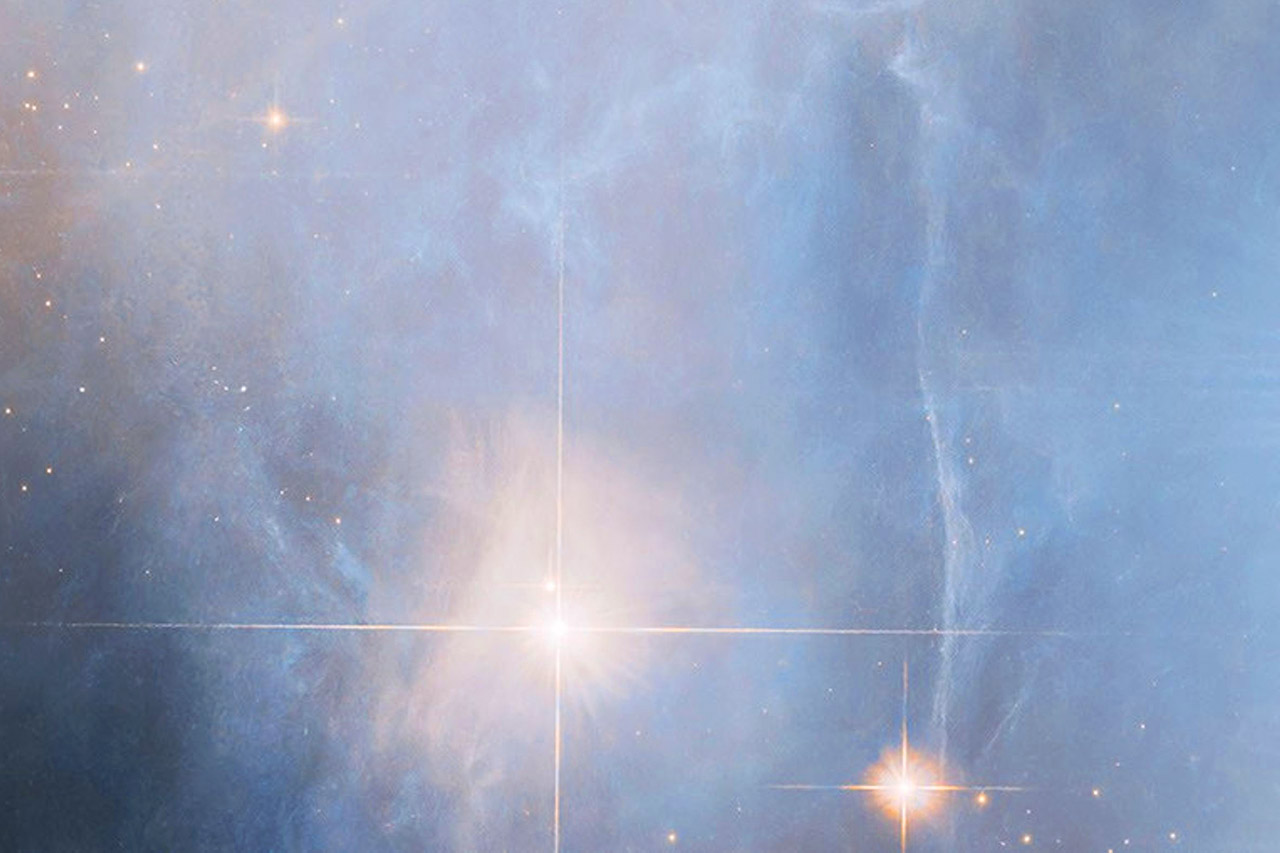
The dark clouds obstruct the light coming from behind them, creating inky outlines on the lighted gas, and the contrast is remarkable. These thick clumps of dust are the raw material for star formation; they are collapsing under gravity bit by bit, until the outer pressure is insufficient to keep them from being drawn in. The radiation and winds from the new stars slowly begin to sweep away the gas and dust that was originally around them, and as they do, the region becomes more luminous and transparent.
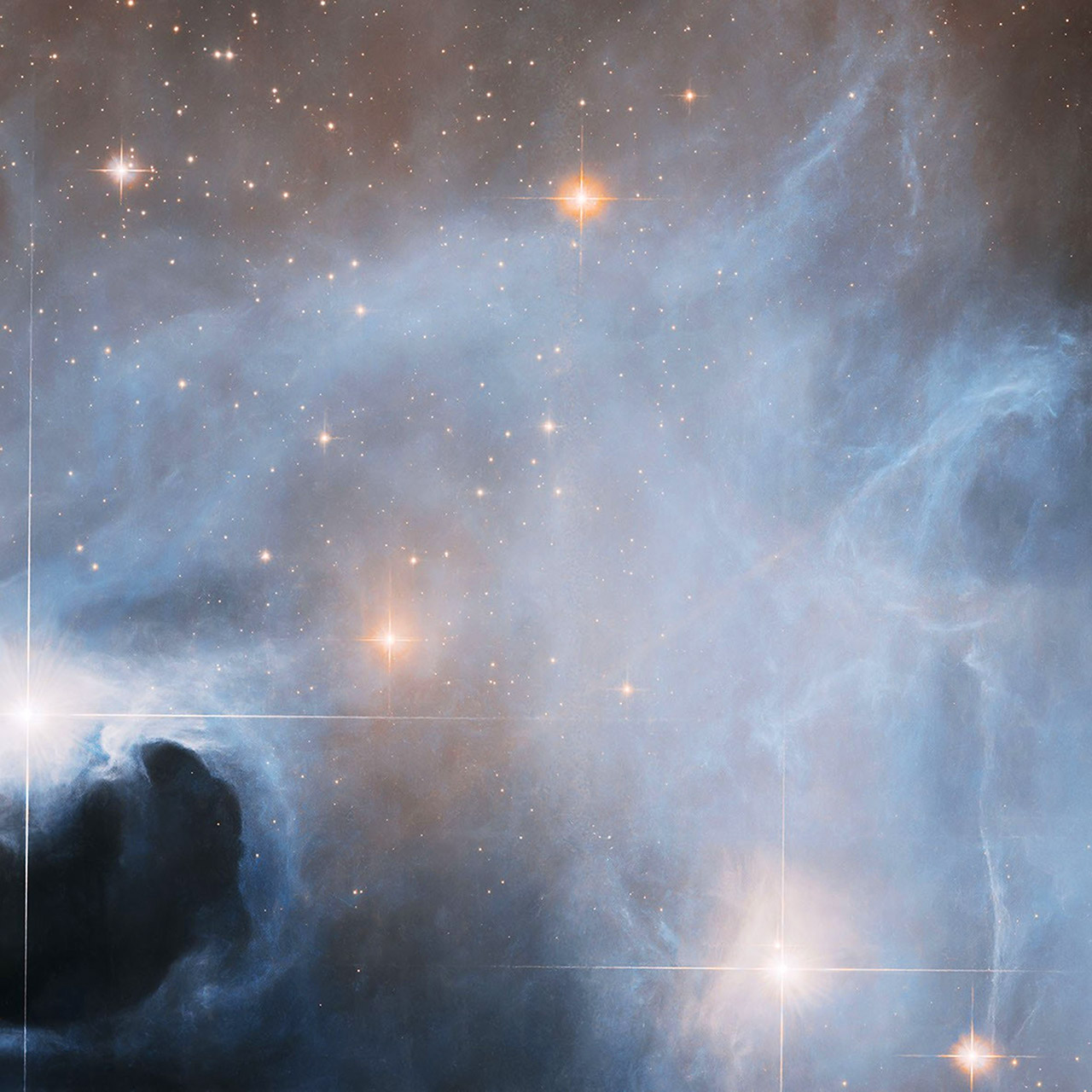
Astronomers are intrigued by places like Lupus 3, as they provide an insight into how our own Sun formed billions of years ago. You’d presumably suppose that comparable clouds cradled the early solar system, clumping material together until planets and a core star began to form. Each detail in this image, as well as each bright point, contributes to the story of the universe renewing itself over and over.
Hubble Peers Into Lupus 3, a Ghostly Star-Birthing Cloud
#Hubble #Peers #Lupus #Ghostly #StarBirthing #Cloud