How the Amiga Outsmarted the SNES with a Clever Sprite Move

Commodore Amiga computers from the mid-80s had a serious issue with rendering moving images on the screen: their hardware could only handle a maximum of 8 sprites at any given moment. These sprites were the characters, enemies and special effects that made games seem alive. Developers found a way around this limitation, and the finished product was as spectacular as what the Super Nintendo Entertainment System (SNES) accomplished a few years later.
The key to accessing this power was a tiny coprocessor dubbed the Copper. This small chip operated independently of the main CPU, and programmers simply fed it a set of instructions to execute. The Copper then sat back and waited for the electron beam on the screen to reach the exact location where a line was meant to be drawn. The vertical scan and horizontal position prompted these changes, and the developers were able to make the results appear smooth by programming the Copper to shove a series of sprites into a new location just as the beam passed by.
It’s worth noting that no single horizontal line on the screen was ever going to display more than 8 sprites, because by the time the beam finished drawing one row, it was already on to the next. The Copper would make modifications in the brief pauses in between, allowing viewers to watch dozens of sprites layered across the entire screen without stuttering. One Coding Secrets sample features 80 moving sprites that never slow down.
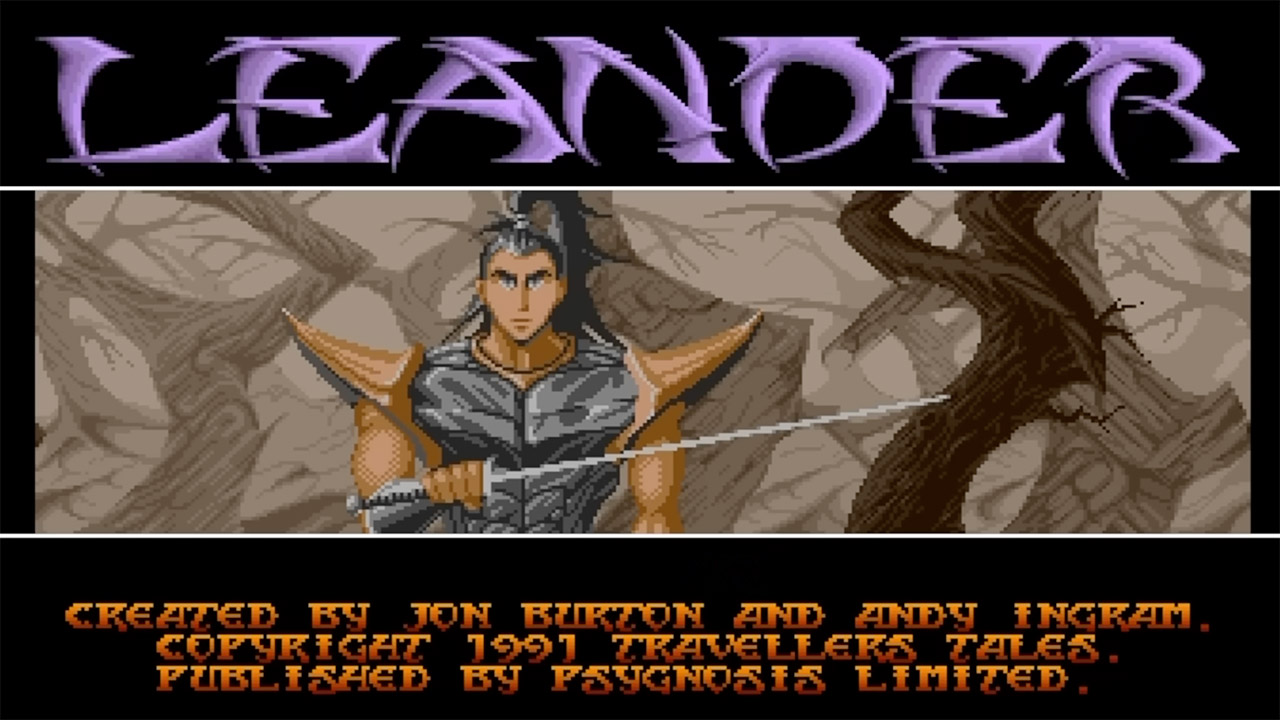
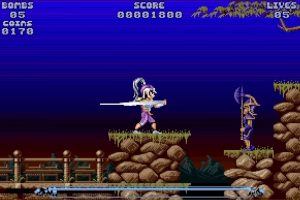
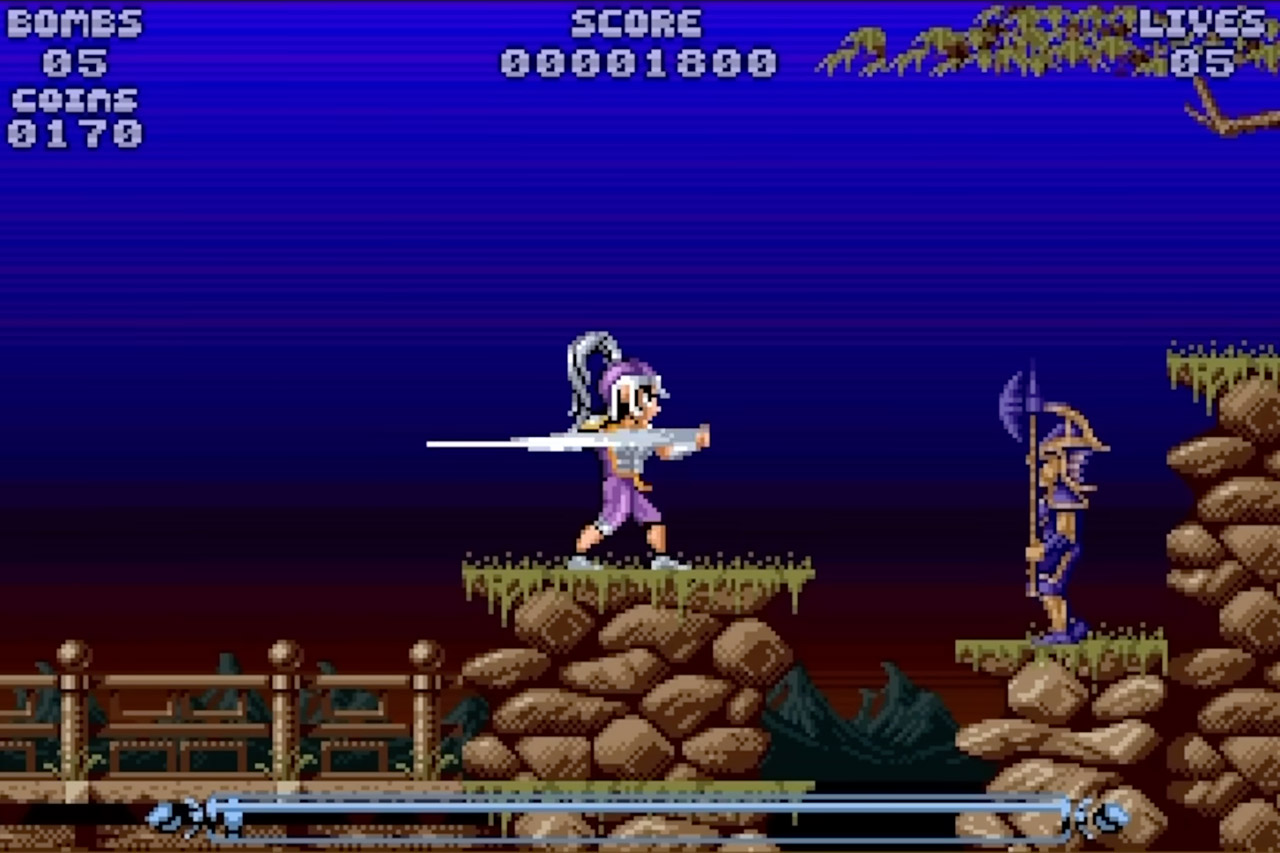
Leander, the first game released by Coding Secrets in 1990, is an excellent example of how these ideas were put to use. Players control a knight as they progress through intricate stages, with a status bar at the top of the screen displaying the player’s score, lives, and coins, all of which were created using individual sprites. Below this are the adversaries, weapons, and a scrolling mountain backdrop; by enabling the game to run in dual playfield mode (with layers placed on top of each other), the developers were able to build richer, more complex scenes with fewer sprites per line.
This reduced the number of possible sprites to six per line, but the Copper still handled everything. They worked past the limitations by shifting the coins by one line and avoiding overlaps. They also used the dual playfield option to simulate a seamless panorama by linking sprites to produce a seamless-looking image.
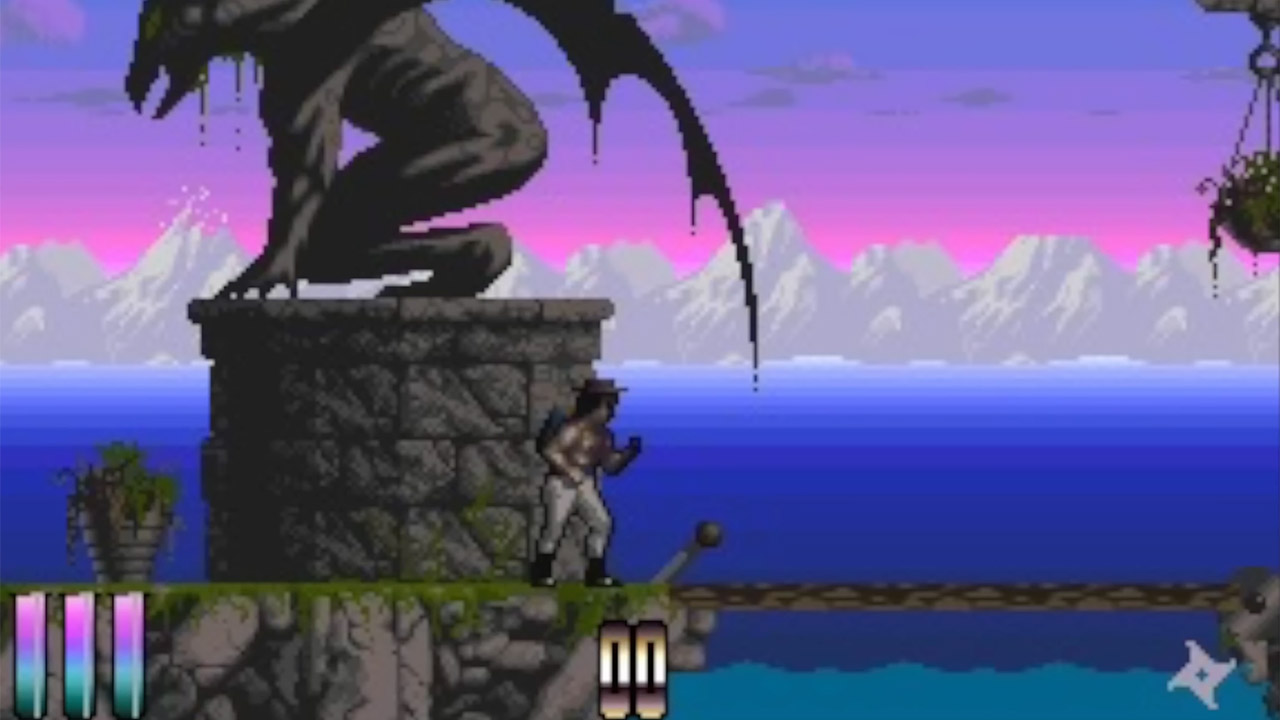
One of the most important issues while designing the scrolling backdrops was that the Copper needed a specific number of pixels to update in order to provide smooth animation, which meant they had to be cautious when scrolling. They accomplished this by staging the scrolling in 4-pixel increments and then adding an additional 16 distinct animation frames per mountain segment to make the overall effect seamless. This became less of an issue as you moved further away, because the things were so little that no one would notice.
It was all about striking a balance between beauty and speed, because the Copper needed a specific amount of time to run through its list of instructions, and the main code had to handle game logic, collisions, and sound in the time left over. As a result, their mountains remained compact, allowing for more fascinating activity on screen.
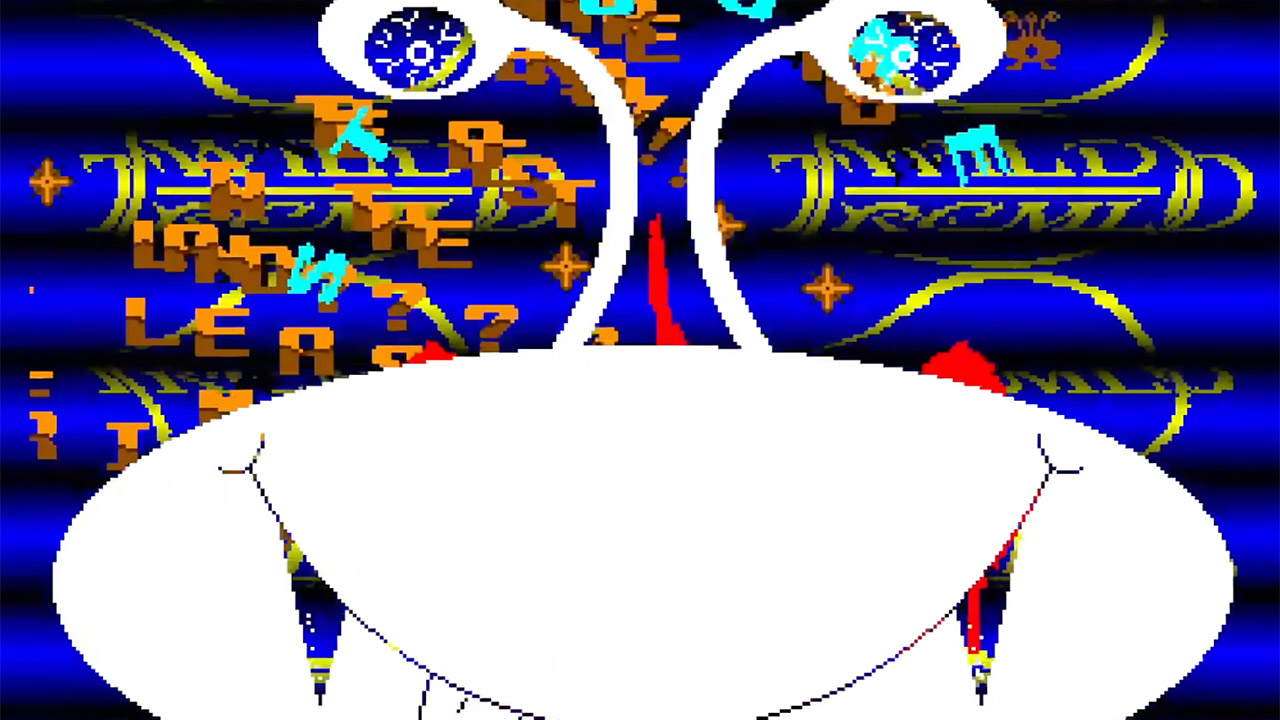
It’s amusing to consider that the Super Nintendo debuted in 1991 with built-in support for up to 32 sprites (up to 128 in some configurations) and tile-based layers that provided depth without incurring sprite strain. To be fair, programmers on the Amiga had to think on the go and devise clever workarounds to get the most out of their technology, which taught them essential skills. This is where the ingenious concept of multiplexing comes into play, allowing developers to pack an astounding level of density into their games that would otherwise have been impossible given the Amiga’s limited specifications. Leander’s introduction also pays homage to Shadow of the Beast 3, another game that made extensive use of this method. In the end, what was supposed to be a limitation of the Amiga hardware proved to be a blessing in disguise.
[Source]
How the Amiga Outsmarted the SNES with a Clever Sprite Move
#Amiga #Outsmarted #SNES #Clever #Sprite #Move