NASA’s Chandra Captures the Champagne Cluster to Celebrate the New Year

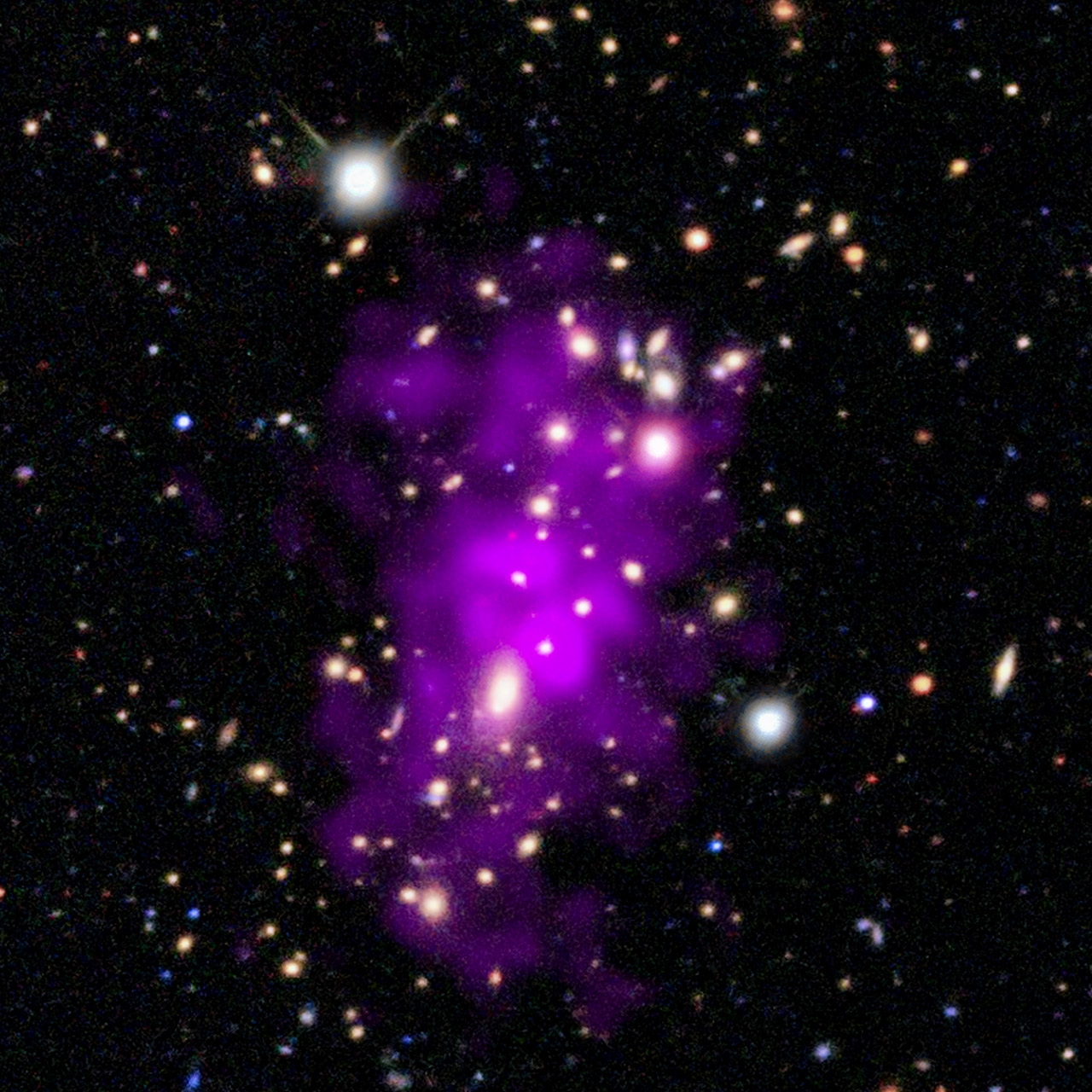
Some of the largest structures in the universe are galaxy clusters, which are enormous groups of galaxies bound together by gravity and floating in a sea of superheated plasma that extends for light-years. Galaxy NGC 1550, better known as the Champagne Cluster, is a classic example of this.
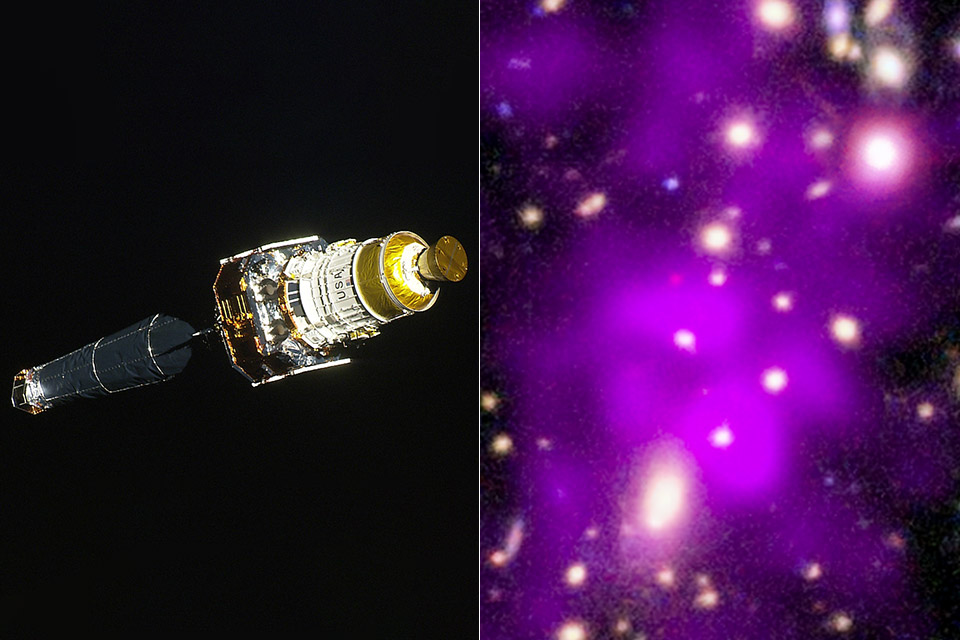
This most recent composite image was captured by the Chandra X-ray Observatory, NASA’s premier instrument for detecting high-energy objects, in collaboration with a few ground-based telescopes. Chandra discovered a huge cloud of gas at temperatures of millions of degrees, which is shown by the purple areas in the picture. In the meantime, the individual galaxies were detected by the Legacy Surveys in Arizona and Chile using their equipment, and you can see them dispersed throughout the image as brilliant white speckles, with many of them grouped in two large groupings at the top and bottom.
Sale

LEGO Technic NASA Apollo Lunar Roving Vehicle LRV Building Set – Craft Kits for Adults, Ages 18+ -…
- Build a realistic LEGO Technic lunar rover model – This LRV building kit for adults is packed with authentic details including seats, steering,…
- NASA model for adults – Enjoy a mindful project assembling all the details of the rover and equipment including the battery pack, heating and…
- A build for NASA fans – Remember the Apollo 17 mission with a display that features the lunar roving vehicle alongside 3 detailed equipment…
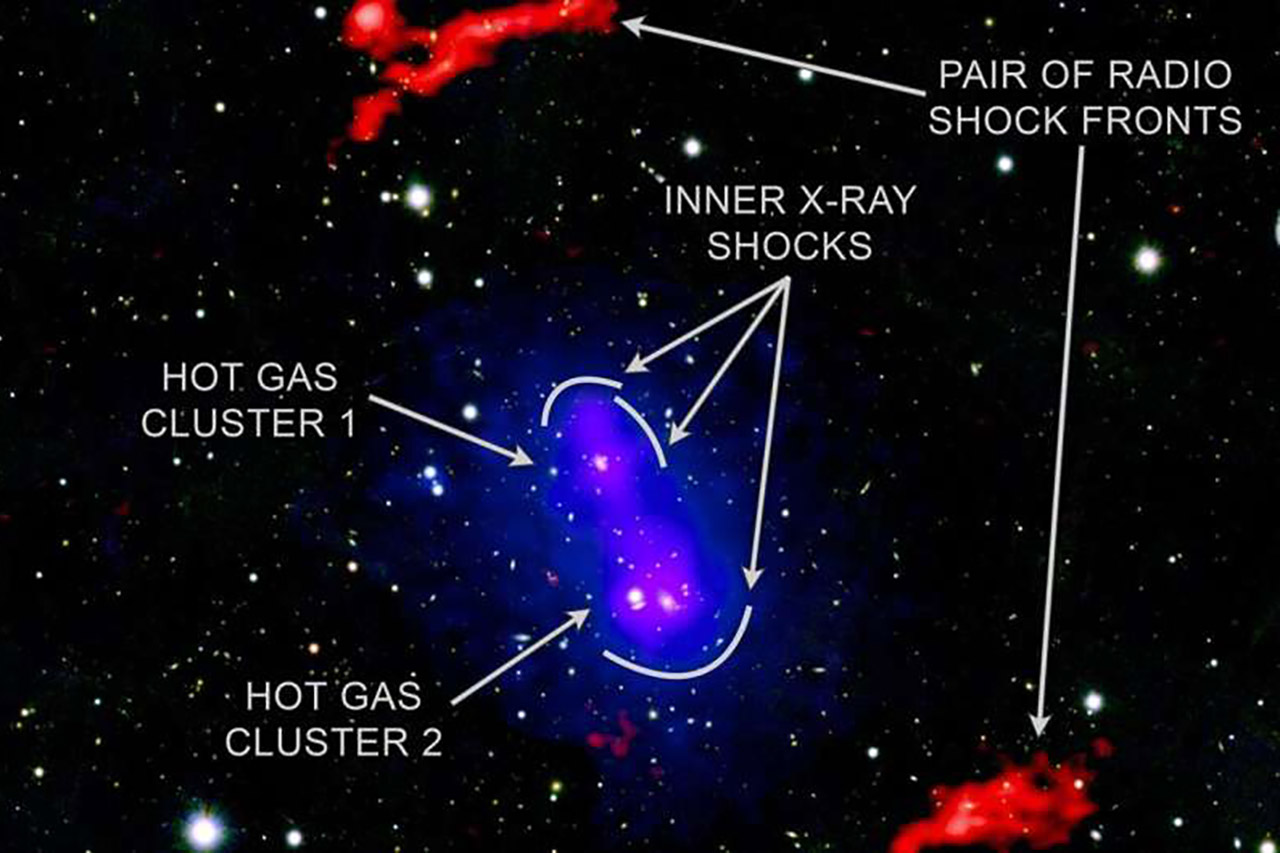
The heated gas from the collision’s impact is seen as a massive swirl of bright purple that stretches between those two groups. This material weighs more than all the galaxies combined, and it has been dispersed and slowed down while the galaxies continue to pass by largely unharmed. The timing, the bubbliness of the gas and light, and other factors gave the cluster its somewhat festive moniker. It spans roughly 3.8 million light-years across the view shown here and is situated in the constellation Coma Berenices. Similar to the well-known Bullet Cluster, the separation between the gas and the galaxies will give us some clues about dark matter, which is invisible and makes up all the heavy lifting mass-wise in the cluster.
There are two theories put out by scientists on what transpired here. According to one theory, the cluster suffered a minor collision a few billion years ago, but gravity eventually brought them back together for another round. According to the other, they only made one flyby, some 400 million years ago, and are currently merely drifting apart. We can now test out how dark matter behaves when things get really crazy since we have a ton of new observations to compare with computer simulations. Every new piece of knowledge will help us understand how these mergers create the cosmic web over billions of years.
[Source]
NASA’s Chandra Captures the Champagne Cluster to Celebrate the New Year
#NASAs #Chandra #Captures #Champagne #Cluster #Celebrate #Year