China’s Hair-Thin Fiber Chip Might be a Game-Changer for Computers
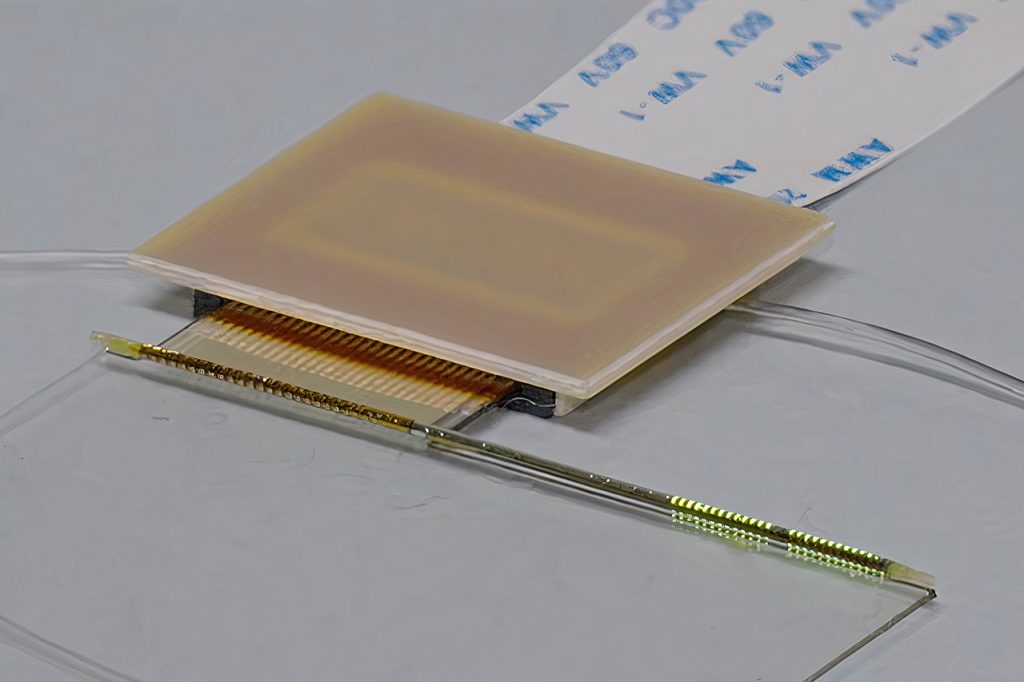
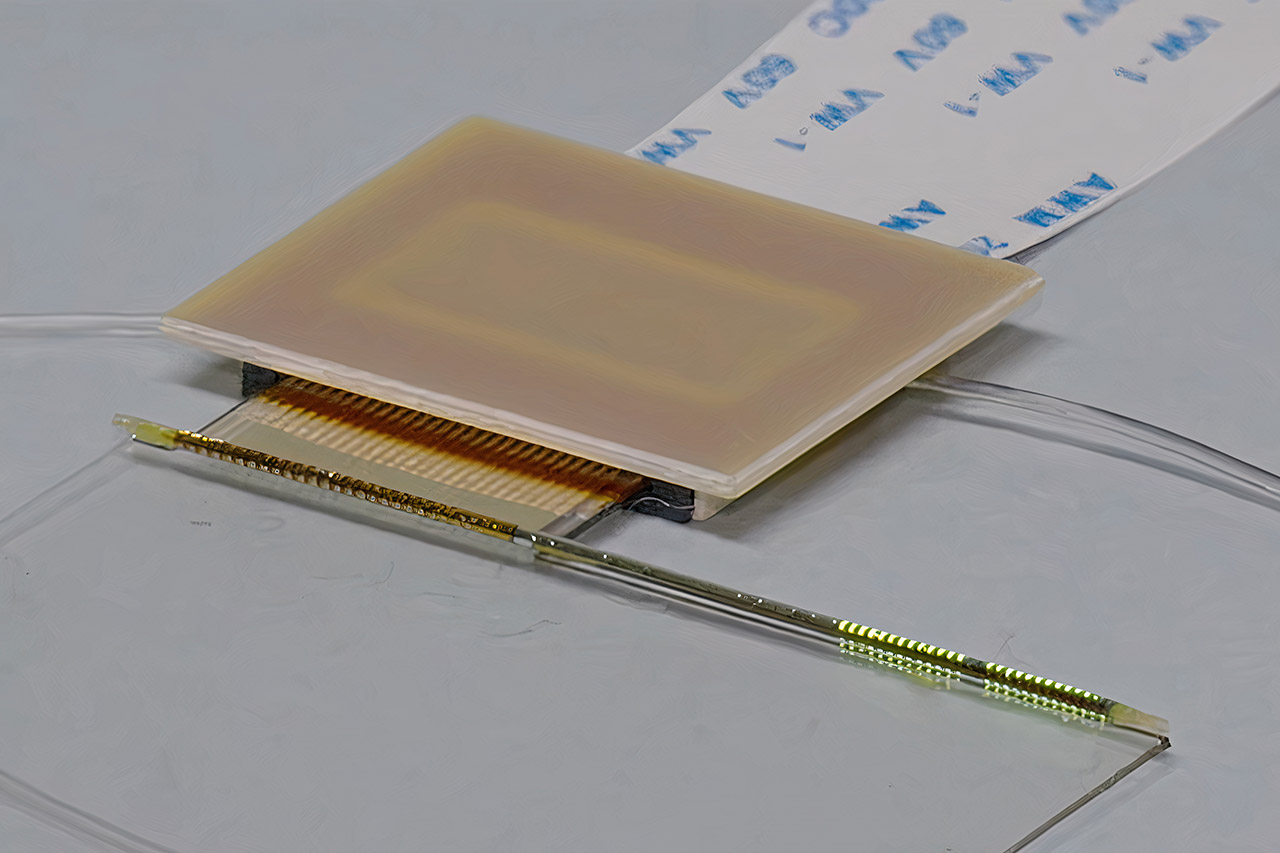
A team of researchers at Fudan University in Shanghai has developed a smart computer chip that has been inserted directly into a single fiber smaller than a human hair. These fiber integrated circuits (FICs) have managed to pack a lot of processing power into something as flexible and delicate as this, making them ideal for weaving into garments or even implanting into the body.
Traditional computer chips typically reside on flat, inflexible silicon wafers. The problem is that these fibres don’t have a lot of flat surface area and bend in all directions, making it difficult to create complicated circuitry inside. Fudan’s researchers circumvented this by developing a multilayered spiral design that wraps thin circuit layers into a very tight coil right inside the fiber. Essentially, each layer gives a little more room for components without increasing the width of the fiber. The good news is that they were able to do this using ordinary chip-making technologies, such as lithography, which can get down to a resolution of roughly one micron, which means they don’t require any new equipment and can be produced in large batches on current lines..

KAMRUI Pinova P2 Mini PC, AMD Ryzen 4300U(Beats 3500U/3200U/N150,Up to 3.7 GHz) Mini Computers, 16GB RAM…
- 【𝐀𝐌𝐃 𝐑𝐲𝐳𝐞𝐧 𝟒𝟑𝟎𝟎𝐔 𝐏𝐫𝐨𝐜𝐞𝐬𝐬𝐨𝐫】KAMRUI Pinova P2 Mini PC is equipped with AMD Ryzen…
- 【𝐋𝐚𝐫𝐠𝐞 𝐒𝐭𝐨𝐫𝐚𝐠𝐞 𝐂𝐚𝐩𝐚𝐜𝐢𝐭𝐲, 𝐄𝐚𝐬𝐲 𝐄𝐱𝐩𝐚𝐧𝐬𝐢𝐨𝐧】KAMRUI…
- 【𝟒𝐊 𝐓𝐫𝐢𝐩𝐥𝐞 𝐃𝐢𝐬𝐩𝐥𝐚𝐲】KAMRUI Pinova P2 4300U mini desktop computers is equipped with HDMI2.0 ×1 +DP1.4…
Some incredible statistics include the fact that a one-millimeter length of fiber can accommodate around 10,000 transistors. When you get to a full metre, the figure goes into the millions. It’s worth noting that this is roughly the same amount of transistors as in an older desktop computer processor. The fibre’s diameter is typically around 500 micrometers, while some newer designs are as small as 50 micrometers. They’ve managed to increase the density to an astonishing 100,000 transistors per centimeter, demonstrating how closely packed everything is.
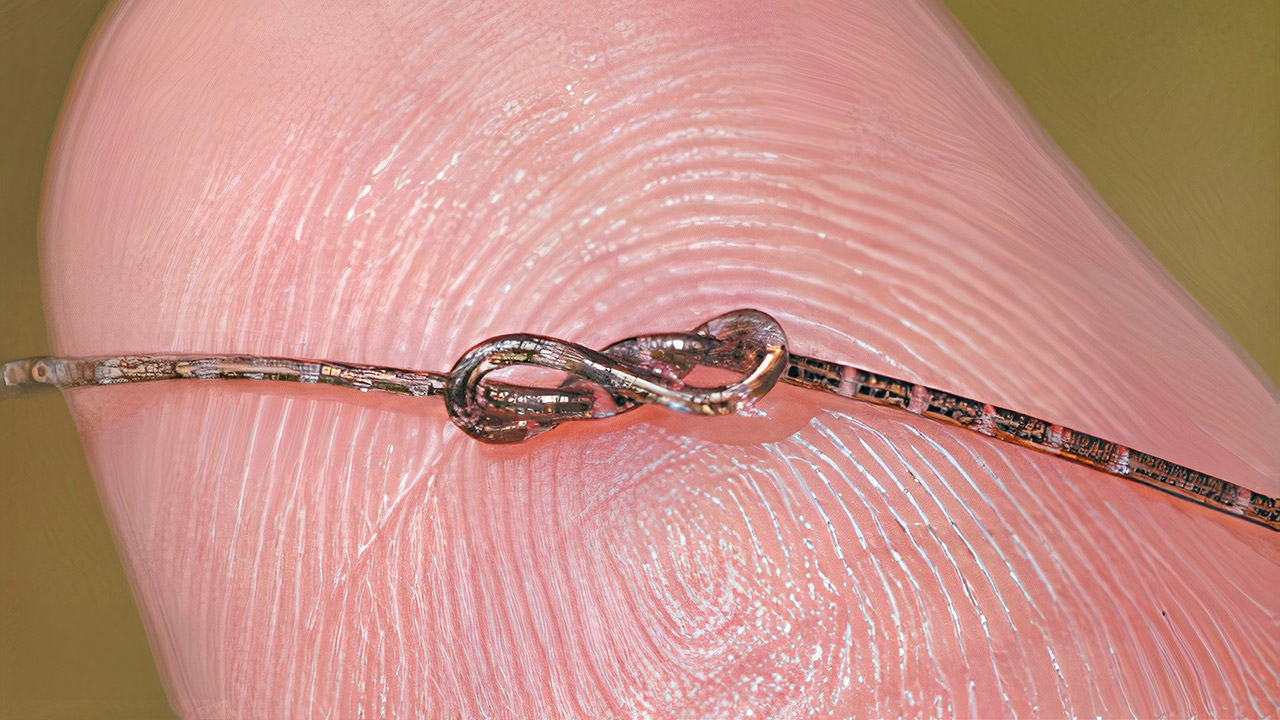
The fiber itself has all of the extra components required to complete the circuit, such as resistors as well as capacitors, and it can handle both digital / analog signals in a closed loop, which means it can pick up data, process it, and output a response without the use of any external chips. They’ve even demonstrated the system doing neural computing tasks like image recognition, and it has a really decent accuracy record on typical datasets. The answer to all of this brain-like activity is organic electrochemical transistors, which provide consistent functioning even when the fiber bends or is stretched.
The FIC’s durability is particularly impressive, as it can withstand over 10,000 cycles of bending and scrubbing, stretch by up to 30%, be twisted tight, washed a hundred times, exposed to temperatures of up to 100 degrees Celsius, and even be squished by the weight of a massive 15.6-tonne truck. Despite all of these stressors, the performance remains rather consistent, with just a few tiny deviations in how the electrical characteristics react. They’re even made from materials found in brain tissue, such as polydimethylsiloxane, so it makes logical that they’d be suitable for medical applications.
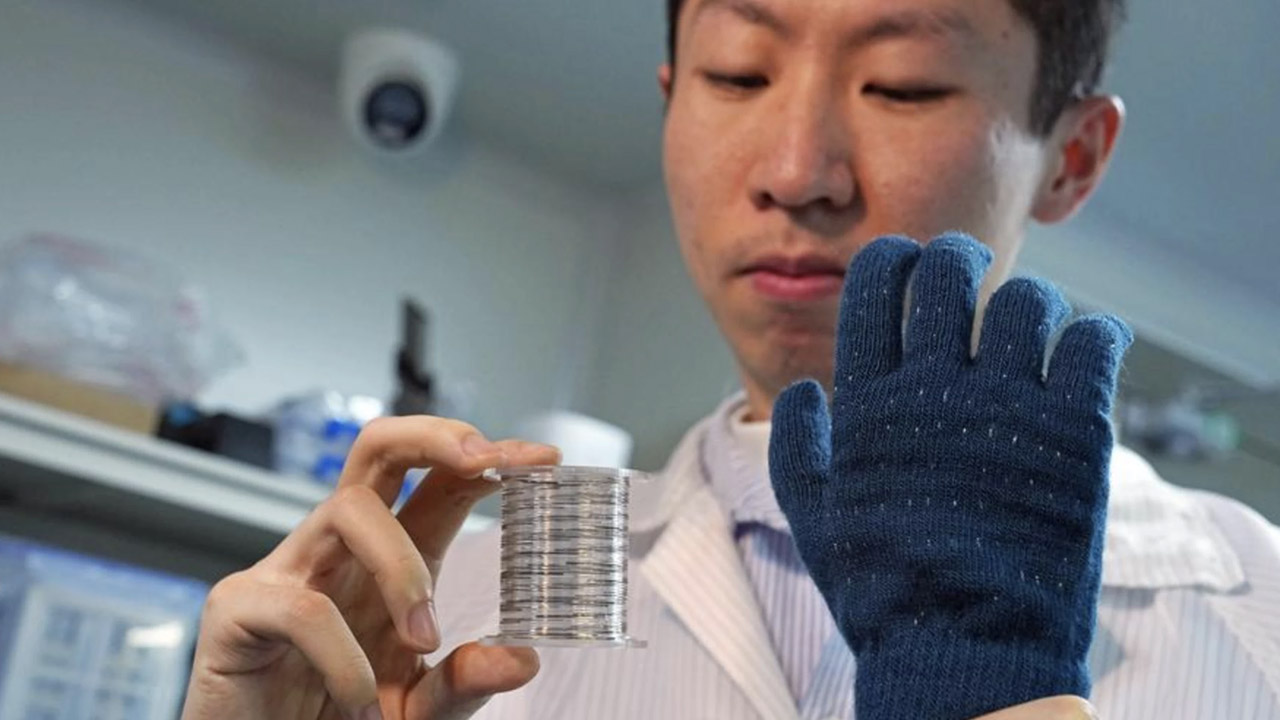
Applications are emerging in a variety of fields, with smart textiles being capable of some pretty fascinating things now that computing is occurring directly inside the threads themselves. A shirt made from these fibers could theoretically monitor your health indications and environmental circumstances in real time, adjusting the temperature or tracking your movements without the need for bulky add-ons. Gloves created of the material can sense and replicate how items feel, which is extremely valuable for surgeons performing remote robotic treatments since it provides genuine tactile feedback, allowing them to execute their jobs more accurately. Gamers would appreciate being able to engage with virtual goods in a more natural manner. Brain-computer interfaces now have a promising future because soft fibres allow you to integrate sensing, processing, and stimulation into a single, bendy piece of kit, which could be a game changer in terms of lowering the risks of implants for conditions such as Parkinson’s or epilepsy. Some hospitals are already partnering with researchers to explore how to employ this technology in cardiovascular surgery and neurological therapies.
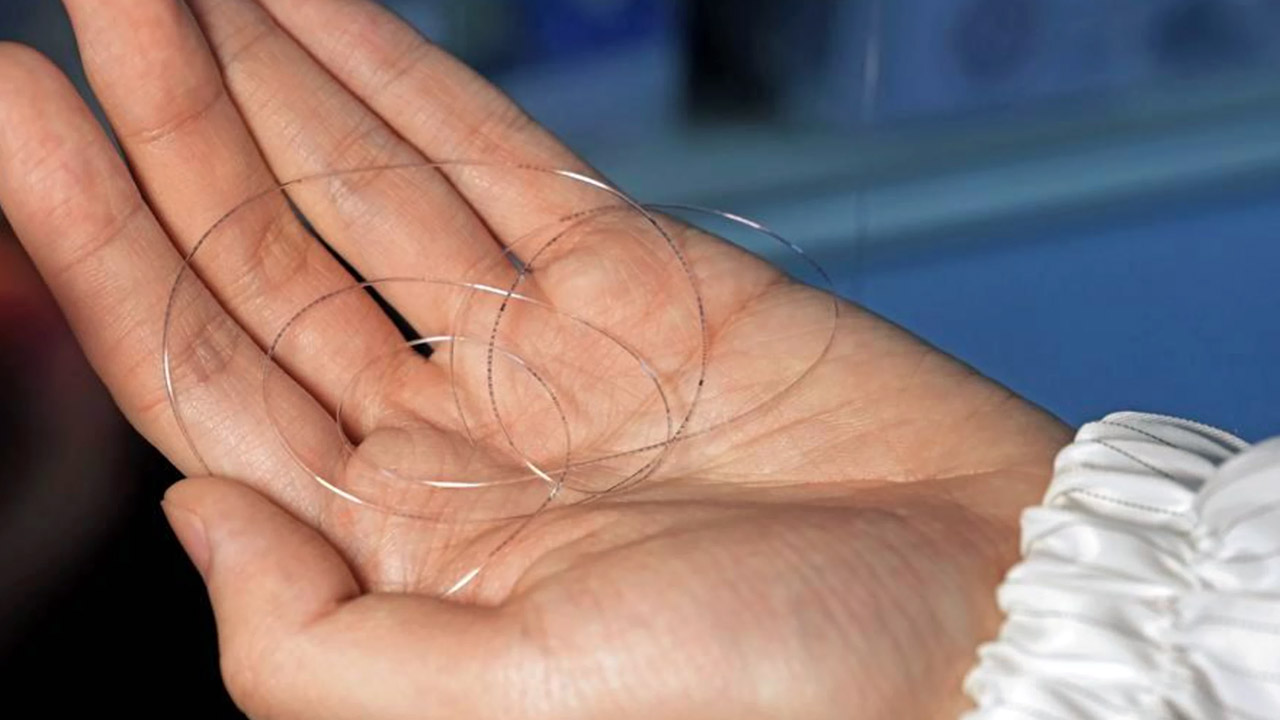
Lead researcher Peng Huisheng has spent over a decade focusing on making functional fibers work, and he believes that what we really need is electronics that are as soft as human skin. Chen Peining, another key member of the team, points out that the technology is already compatible with the type of equipment used in the semiconductor business, which is a significant advantage for anyone wishing for widespread adoption. The entire idea is about transforming computing from inflexible old slabs to something that bends and flexes, allowing it to blend in with how we live our lives or merge into our bodies.
[Source]
China’s Hair-Thin Fiber Chip Might be a Game-Changer for Computers
#Chinas #HairThin #Fiber #Chip #GameChanger #Computers