Crawler-Transporter 2 Carries NASA’s Artemis II Moon Rocket to the Launch Pad
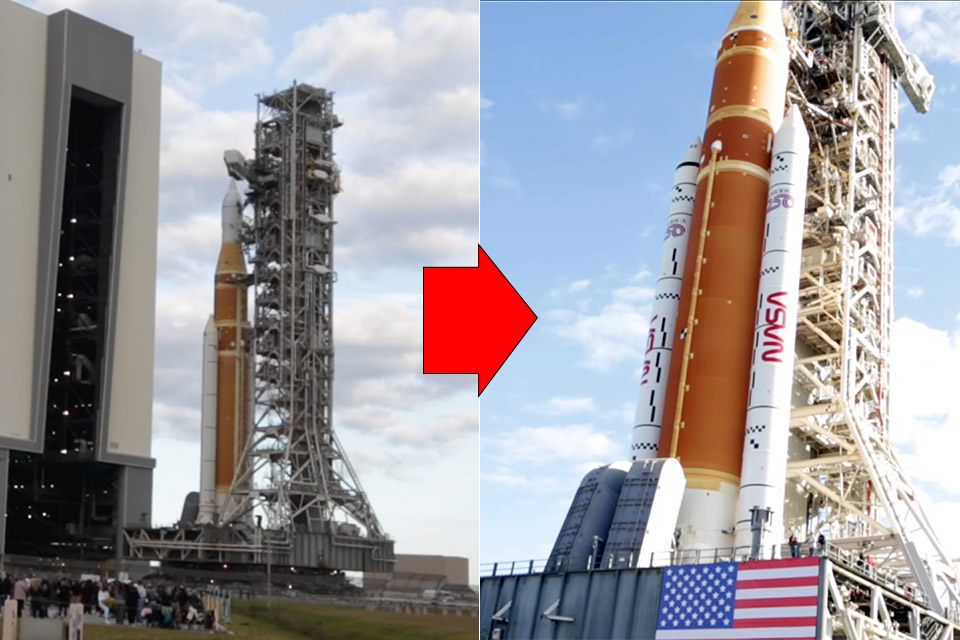
The Crawler-Transporter 2, cradling NASA’s Artemis II moon rocket, arrived at the launch pad about a week ago, marking a quiet but historic step toward transporting astronauts beyond outer space for the first time in more than 50 years. That mission is scheduled to take place on January 17, 2026, at the famous Kennedy Space Center in Florida. At 7:04 a.m. eastern time, the crawler began hauling the fully built Space Launch System rocket, Orion spacecraft, and mobile launcher from the Vehicle Assembly Building to Launch Complex 39B.
The crawler entered the VAB the night before the move and positioned itself under the mobile launcher with laser-like precision. The hydraulic jacks then gradually raised the entire structure up, leveling it despite its unequal weight distribution. After the final checks were completed and all of the wires were in place, three of the crawler’s four huge 10,000 HP diesel engines fired up. The world’s largest doors, which rise vethan rtically in less an hour, swung open, and the unhurried procession began.

LEGO Technic NASA Artemis Space Launch System Rocket Building Toy for Boys & Girls – STEM Learning &…
- BUILD AN OFFICIAL NASA ROCKET – Kids prepare to explore outer space with the LEGO Technic NASA Artemis Space Launch System Rocket (42221) building…
- 3-STAGE ROCKET SEPARATION – Young builders can turn the hand crank to watch the rocket separate in 3 distinct stages: solid rocket boosters, core…
- STEM BUILDING TOY FOR KIDS – This educational rocket kit was created in collaboration with NASA and ESA to showcase the authentic system that will…
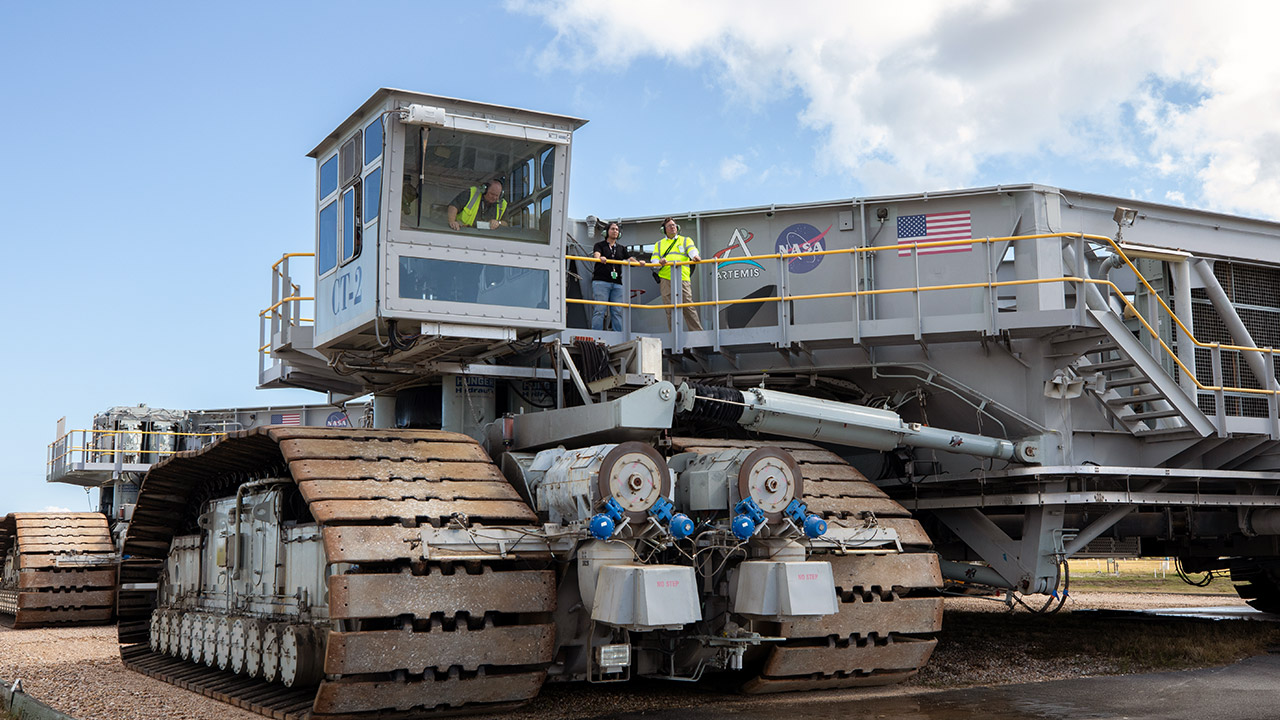
The crawlerway, which was specially designed and paved with rounded Alabama river rock to help distribute the crushing pressure, was four point two miles long. Loaded down, the lot weighed 15 million pounds, including the crawler, which weighed 6.65 million pounds, and the rocket and launcher. Each of the crawler’s four tracks contains 57 enormous metal shoes weighing roughly a ton each, which creep forward at a maximum speed of one mile per hour. In reality, the pace slowed even more during twists and the last climb in order to keep the 322-foot-tall rocket exactly vertical, within a fraction of a degree.
Everything proceeded according to schedule, as the stack emerged from the high bay after more than half an hour and crawled through some tight clearances. Outside, the crawler stopped for around 30 minutes to reposition the crew access arm, which could not be done within the building. Then came an S-turn, followed by a sharp left about halfway through, another of the tight locations that the crawler handled with ease.
By lunchtime, the stack had traveled more than half the distance. Fortunately, there were no major issues, as the crawler simply took the weight in stride, with its 2016-upgraded engines, generators, brakes, and monitoring system proving to be reliable under the extra weight of the Artemis rocket compared to the shuttle days. Finally, at 6:42 p.m., the crawler reached the pad and carefully moved up the reinforced concrete ramp, lowering the stack onto its six mount points. They finished leveling and secured the electrical connections, and the transfer was complete.
The wet dress rehearsal, which will involve loading the super-cold propellants and going through the countdown protocols, is scheduled for early February. With a successful test completed, everything is in order; but, if there are any issues, the stack may need to be returned to the VAB. However, the crawler’s mission remains unchanged: to deliver the rocket safely, level, and intact.
Crawler-Transporter 2 Carries NASA’s Artemis II Moon Rocket to the Launch Pad
#CrawlerTransporter #Carries #NASAs #Artemis #Moon #Rocket #Launch #Pad