Long Before Smartglasses, There was the Deja View Camwear 100
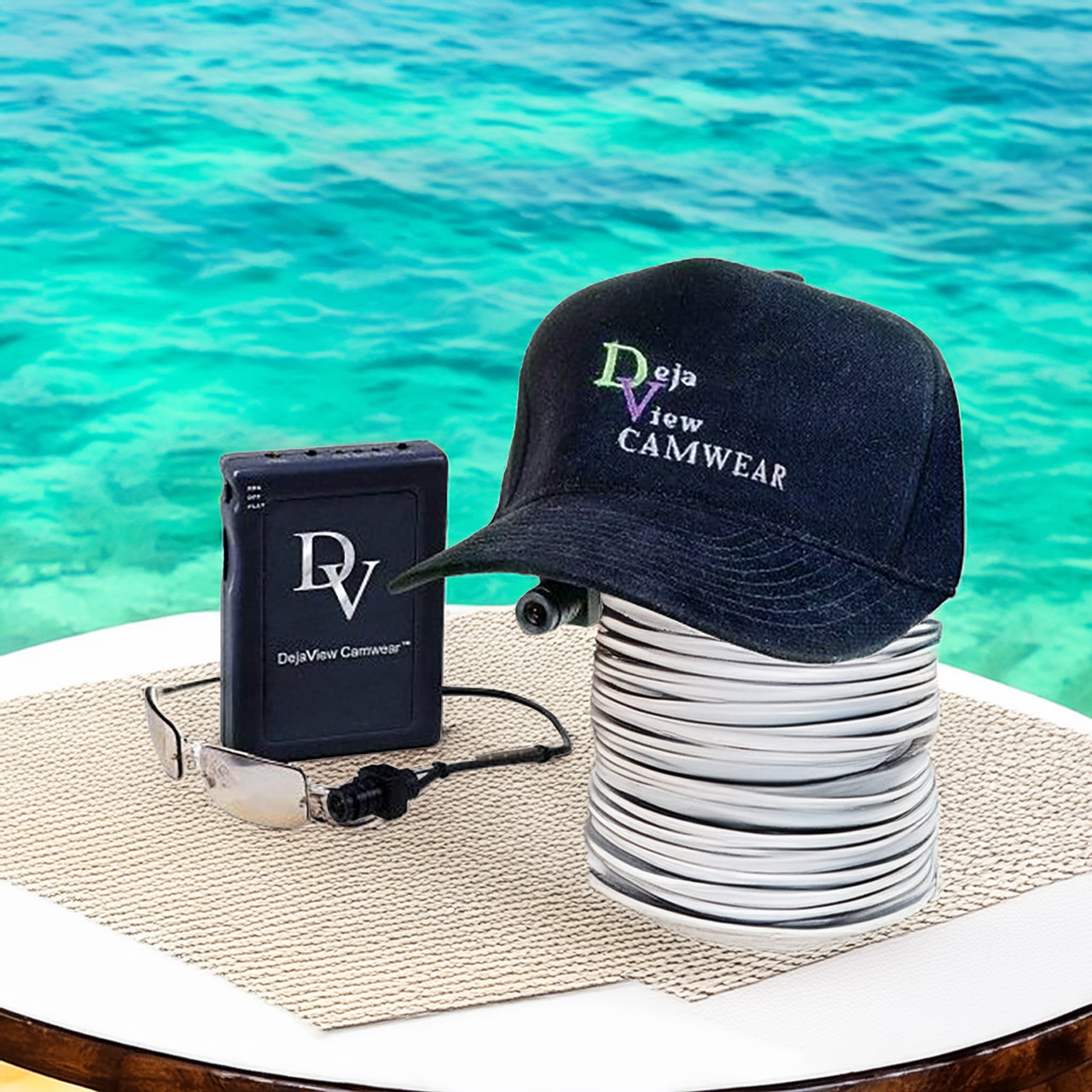
In 2004, a small camera attached to a standard glasses frame appeared almost completely normal at first glance. However, few people did a double take when they first saw it. What was this little gadget? The Deja View Camwear 100 had quietly introduced a now-familiar concept: capturing video from the wearer’s perspective while leaving their hands free.
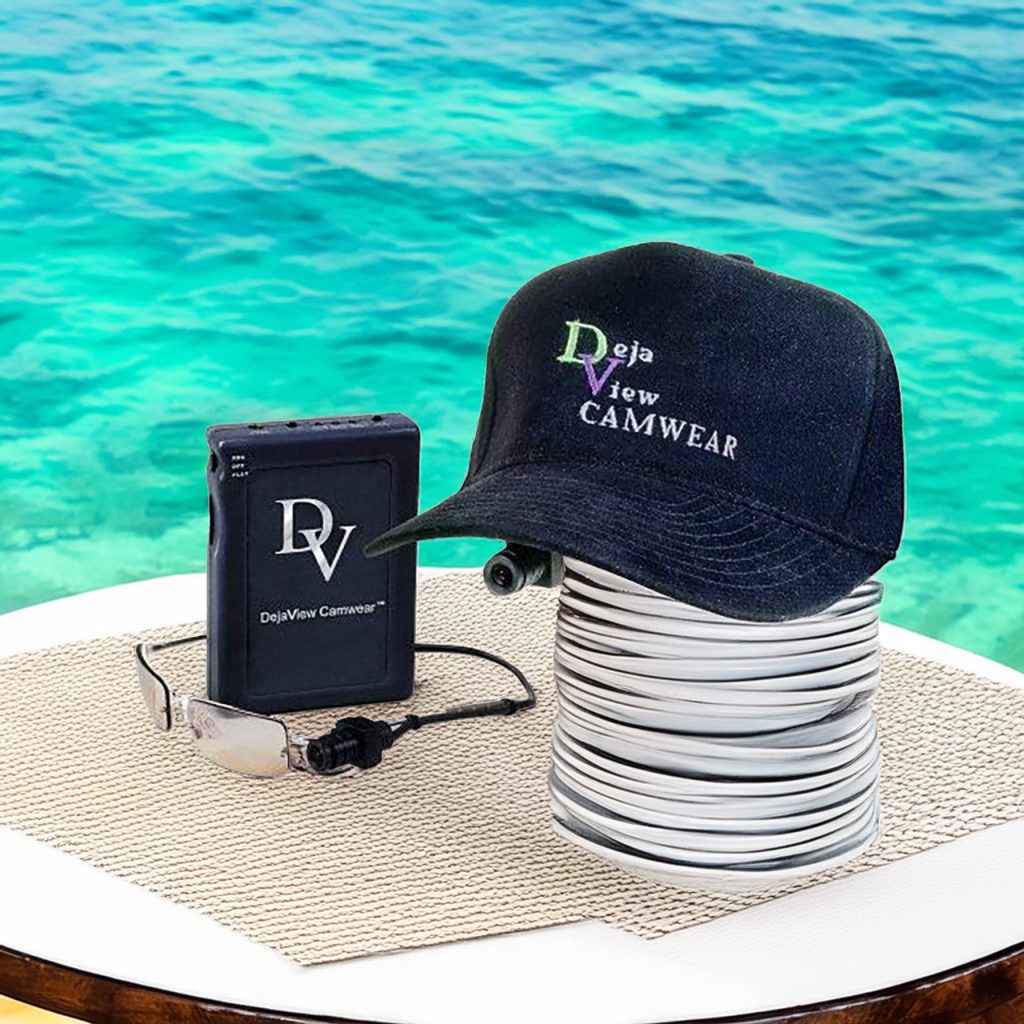
Deja View, a tiny company based in Brick Township, New Jersey, released the Camwear 100 late in 2003. Their inventor, Sid Reich, was tired of photographing events like his son’s Little League games and losing all of the key aspects, such as long stretches of inactivity followed by a surge of action that ended before he was ready to depart. So he came up with a solution. A tiny (approximately an inch length) analog camera connected by a cable to a small recording equipment the size of a vintage portable cassette player. The gadget served as the operation’s brain, and Sid’s brainwave enabled everything.

Ray-Ban Meta (Gen 1), Wayfarer, Matte Black | Smart AI Glasses for Men, Women — 12 MP Camera, Open-Ear…
- #1 SELLING AI GLASSES – Move effortlessly through life with Ray-Ban Meta glasses. Capture photos and videos, listen to music, make hands-free calls or…
- CAPTURE WHAT YOU SEE AND HEAR HANDS-FREE – Capture exactly what you see and hear with an ultra-wide 12 MP camera and a five-mic system. Livestream it…
- LISTEN WITH OPEN-EAR AUDIO — Listen to music and more with discreet open-ear speakers that deliver rich, quality audio without blocking…
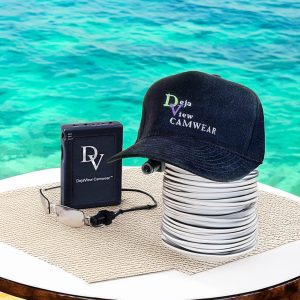
The recorder and camera came as a package, and you simply clipped the camera to your glasses frame or hat brim using the many given pieces; the box included clips, O-rings, and small sticky stuff to keep it in place. A short, thin wire connected the camera to the recorder, which was attached to your belt or pocket, but it required power, which was provided by a built-in lithium-ion battery with enough juice to last for hours, but like any battery, it would eventually run out.
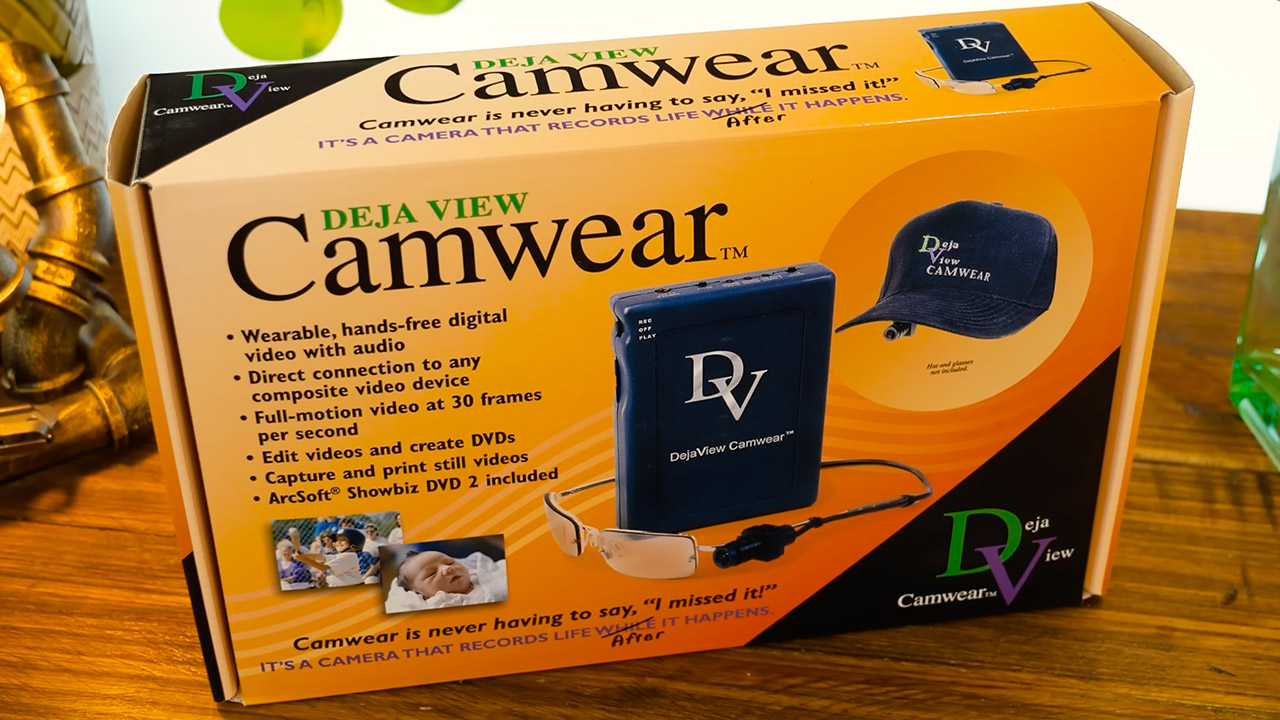
Its clever processing unit would constantly keep 30 seconds of video and audio without ever saving anything to the card unless you directly told it to. So you merely pressed a single button to capture the last 30 seconds and save it to a removable SD card (64MB was normal, but it supported up to 512MB cards). The video quality was reasonable at 320 x 240 pixels and 30 frames per second, compressed with MPEG4 and saved in ASF format. The built-in microphone on the camera captured the sounds. Once saved, you may send the files to a computer via USB and modify them with rudimentary software, or you can play them immediately on a TV using composite output.
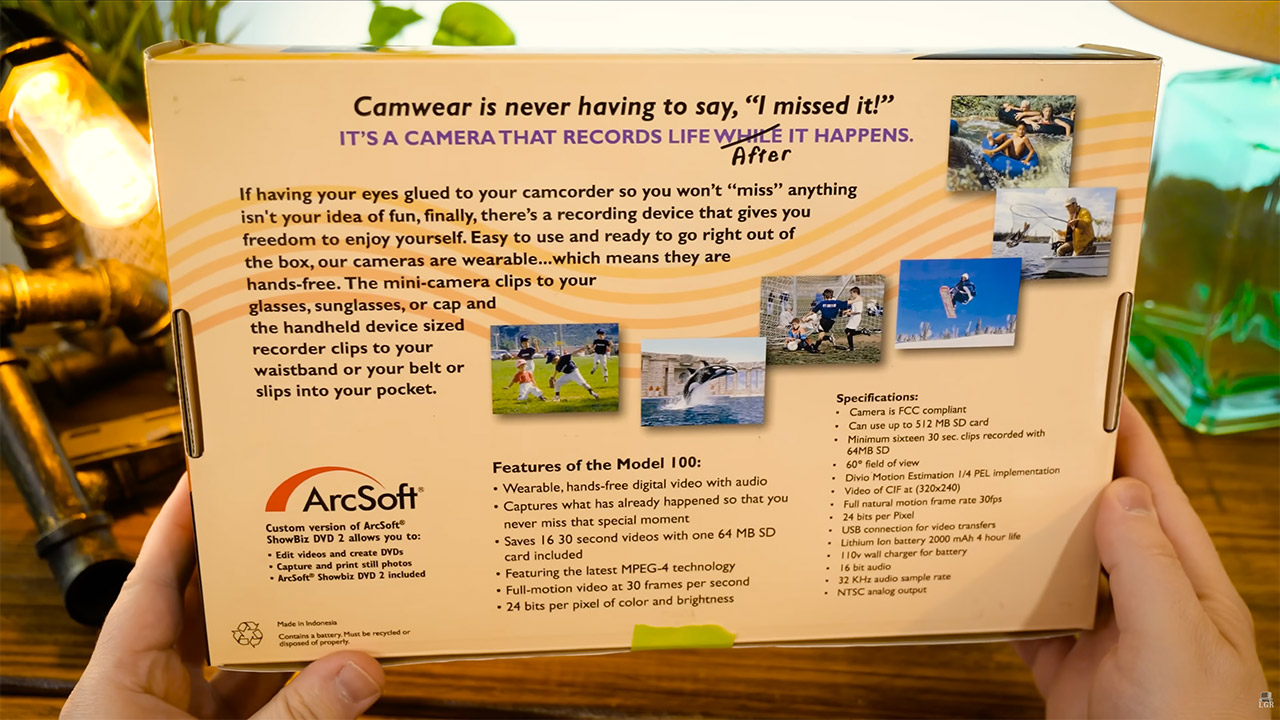
The marketing campaign targeted family users and parents at sporting events, family vacations, school recitals, and amusement parks, but soon, companies, security firms, law enforcement, and even the US military took note; according to reports, the US Army’s 1st Cav employed these devices in Falluja in 2005. The Camwear 100 cost $399, which is approximately $700 in today’s money, and it debuted just as digital cameras became smaller and cell phones began to add video capabilities. You’ll get a user guide, a fast start card, a USB cable, a power adapter, a composite cable, a belt clip, and a variety of other accessories to help you get started.
A year or so later, a new model, the Camwear 200, debuted, which allowed for continuous recording and used larger cards, but the core principle remained same. Deja View only existed briefly, as the company failed in late 2006, its domain expired, and the founder retired. No great success followed, but the Camwear 100 quietly proved what wearable cameras might achieve long before cellphones and social media made constant capture normal.
Long Before Smartglasses, There was the Deja View Camwear 100
#Long #Smartglasses #Deja #View #Camwear