Why the Apple eMac Stands as One of the Company’s Most Overlooked All-in-One Computers
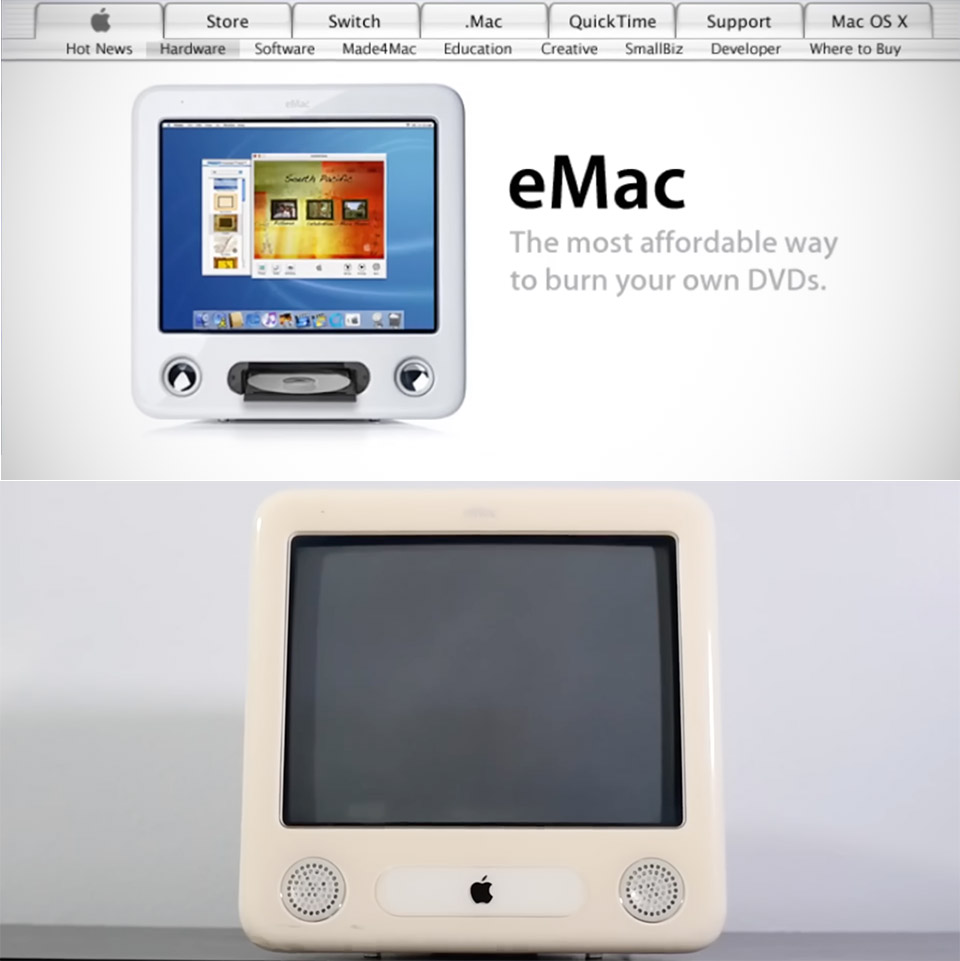
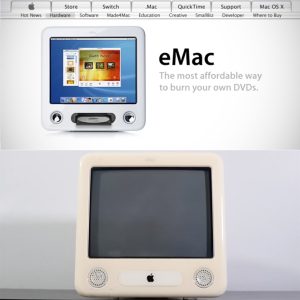
The eMac is one of Apple’s most overlooked, yet durable, all-in-one desktops. It was designed for classroom use but was briefly made available to the general public. Even now, few people bring it up, including long-time Mac lovers who prefer to talk about the iconic iMac G3 or the elegant iMac G4.
Apple formally debuted the eMac on April 29, 2002, and it was initially only offered to educational organizations. Apple was looking for a dependable and affordable choice that could compete in the classroom with the far cheaper Windows PCs. Educators wanted something that wouldn’t break on the first knock, something more durable than the flimsy flat-panel iMac G4, so Apple’s designers returned to the iMac G3, but made some substantial performance increases as well. Even after Apple extended sales to the public in June 2002, the academic sector continued to buy in, and the eMac was produced until 2006, albeit by the time the Intel changeover came around, Apple had very much phased it out.
Sale

Apple 2024 Mac mini Desktop Computer with M4 chip with 10‑core CPU and 10‑core GPU: Built for Apple…
- SIZE DOWN. POWER UP — The far mightier, way tinier Mac mini desktop computer is five by five inches of pure power. Built for Apple Intelligence.*…
- LOOKS SMALL. LIVES LARGE — At just five by five inches, Mac mini is designed to fit perfectly next to a monitor and is easy to place just about…
- CONVENIENT CONNECTIONS — Get connected with Thunderbolt, HDMI, and Gigabit Ethernet ports on the back and, for the first time, front-facing USB-C…
The eMac was a massive block of white plastic that had a 17-inch flat CRT display with a 16-inch visible area and a 1280 x 960 resolution screen that was more than sharp enough for text and early digital media, let alone the stuff that was circulating at the time. The built-in stereo speakers also performed admirably, producing 18 watts of sound, which was far superior to what you were used to. Oh, and did we mention the wide acrylic stand, which allows you to tilt and swivel the device to achieve the ideal viewing angle in a shared space? It is not exactly light, weighing roughly 50 pounds, but it is constructed to last, which is great news for students and instructors alike.
Things began out pretty basic in those early days, but Apple was eager to release updates. The first model featured a 700 MHz PowerPC G4 processor, 128 megs of RAM, and a rudimentary CD-ROM or CD-RW drive, but things quickly improved. In August 2002, an 800 MHz version was released, featuring improved graphics from ATI Radeon and a SuperDrive that allowed you to burn your own DVDs. A year later, you could get an eMac with a 1 GHz G4, USB 2.0 ports, faster DDR RAM at 333 MHz, and the ability to upgrade to a 40-160 GB hard drive. The highest model in 2005 included a 1.42 GHz G4, 64MB ATI Radeon 9600 graphics, and official support for up to 2 gigabytes of RAM, all running Mac OS X (which made it to 10.4 Tiger), with earlier variants also supporting Mac OS 9.
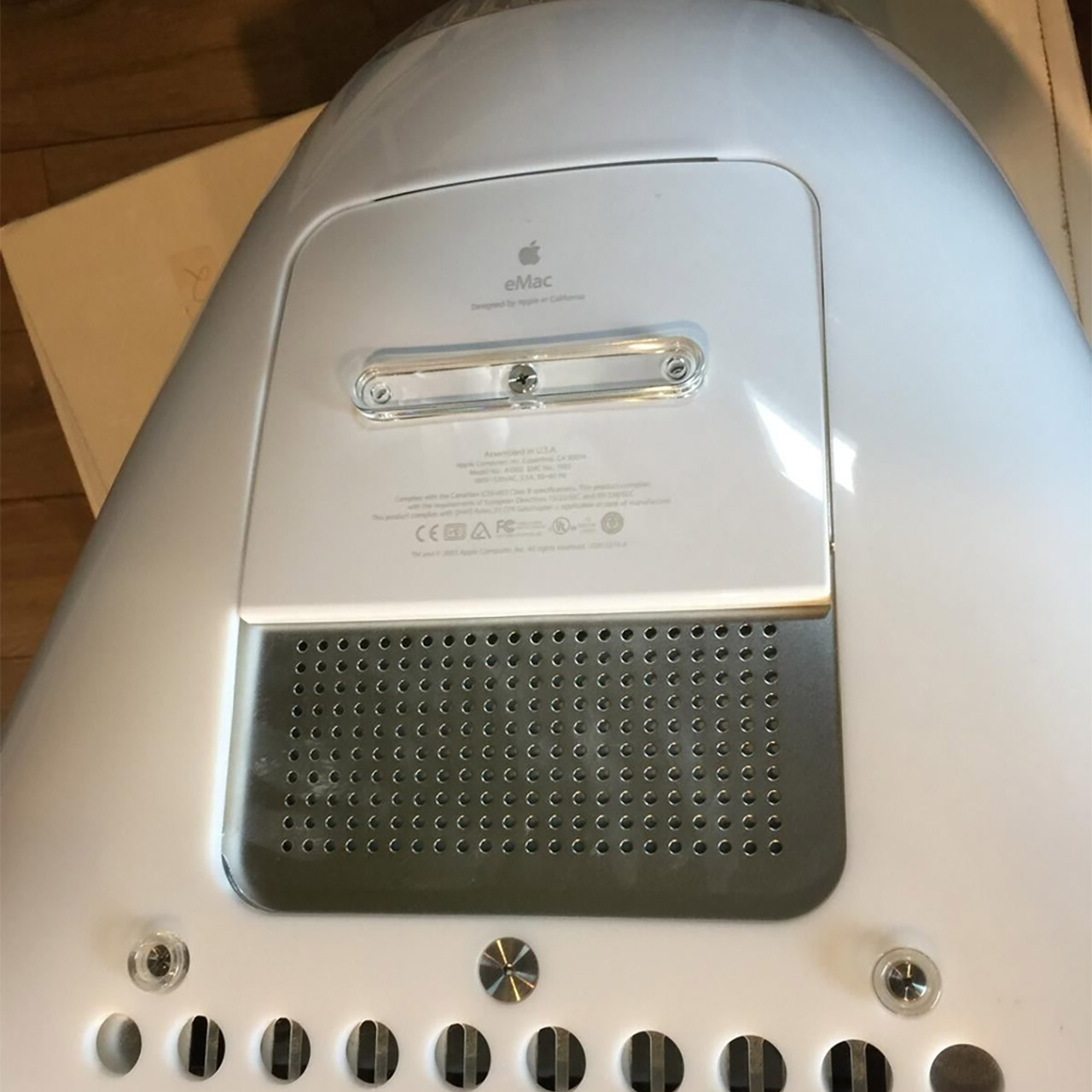
Ports were plentiful and, for the most part, quite standard: USB (we began with 1.1 and progressed to 2.0), FireWire 400, Ethernet, an optional modem, and AirPort and Bluetooth for wireless users. The back had a mini-VGA output, allowing you to mirror the internal display if desired. Upgrading the RAM, on the other hand, was as simple as removing the bottom panel, which is ideal for schools wishing to gradually increase their memory.
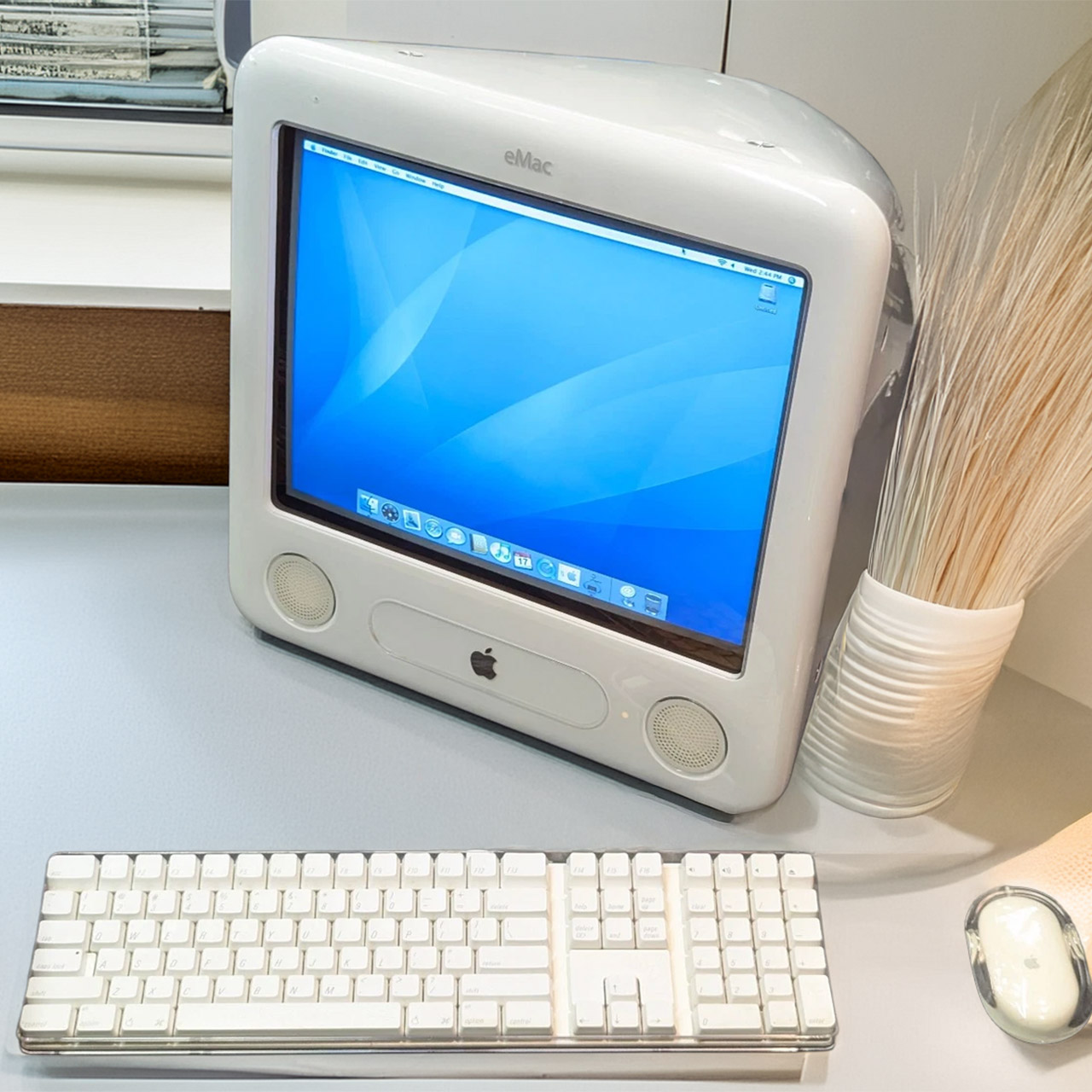
Of course, no old computer is complete without a few quirks and problems. There was the infamous “raster shift” issue, which caused parts of the screen to darken, and you had to return it under warranty to receive a replacement video cable. Later, capacitor failures began to cause video glitches and freezes, which were resolved in software updates. Nonetheless, many eMacs continued to run well year after year, with only the occasional blip to throw them off.
[Source]
Why the Apple eMac Stands as One of the Company’s Most Overlooked All-in-One Computers
#Apple #eMac #Stands #Companys #Overlooked #AllinOne #Computers