Physical AI Robots Step Into the Clean Room, Show How NVIDIA and Eli Lilly Aim to Slash Cell Therapy Costs
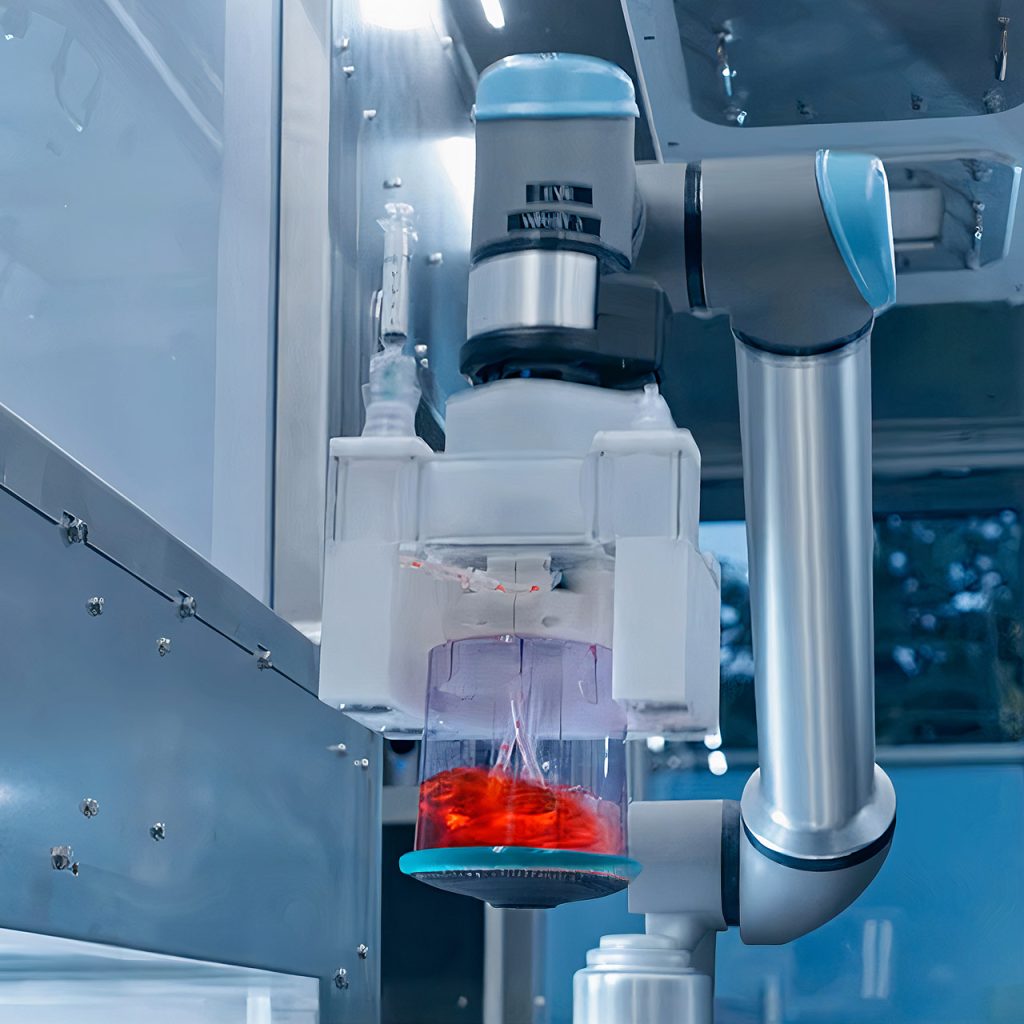
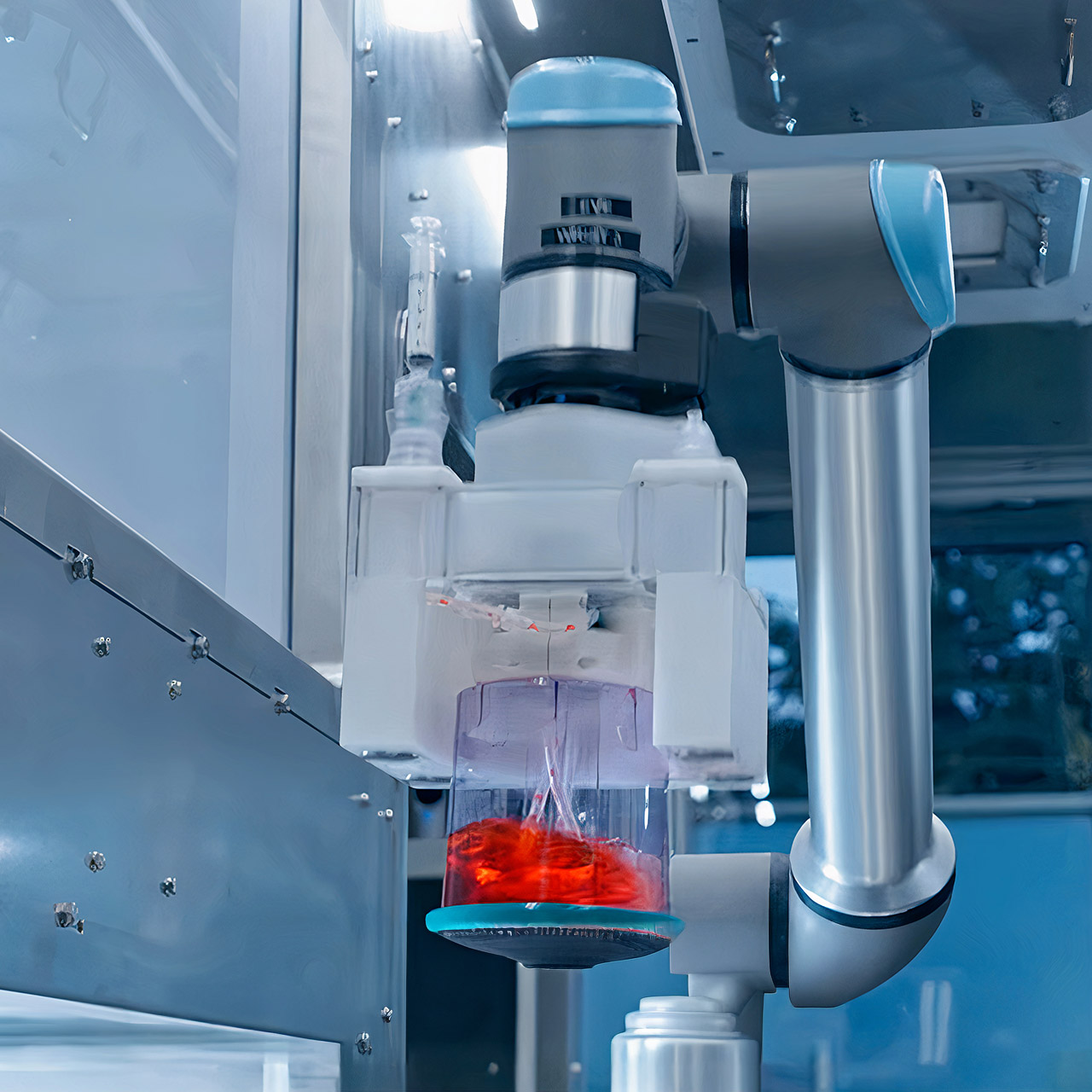
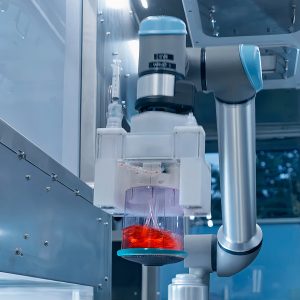
Cell therapy is being promoted as a promising treatment for cancer, auto-immune diseases, and genetic problems by modifying a patient’s own cells to combat the illness. However, the process of generating these treatments remains long, expensive, and prone to error. A single dose can cost upwards of $100,000, owing to the necessity for highly skilled technicians to work in clean surroundings, carefully handling sensitive tasks one patient at a time. Multiply Labs, a San Francisco company, has partnered up with NVIDIA to turn this on its head.
Multiply Labs has developed robotic manufacturing methods tailored exclusively for producing gene-modified cell treatments. These setups use numerous robotic arms to do precise activities such as transferring liquids between containers, mixing solutions without introducing bubbles, and maintaining precise temperatures, all of which require a steady hand and a lot of concentration. Humanoid robots trained on NVIDIA’s Foundation model handle loading and unloading items outside of super-sensitive locations, lowering the danger of contamination because machines do not become bored or fatigued like humans.

Unitree G1 Humanoid Robot(No Secondary Development)
- Height, width and thickness (standing): 1270x450x200mm Height, width and thickness (folded): 690x450x300mm Weight with battery: approx. 35kg
- Total freedom (joint motor): 23 Freedom of one leg: 6 Waist Freedom: 1 Freedom of one arm: 5
- Maximum knee torque: 90N.m Maximum arm load: 2kg Calf + thigh length: 0.6m Arm arm span: approx. 0.45m Extra large joint movement space Lumbar Z-axis…
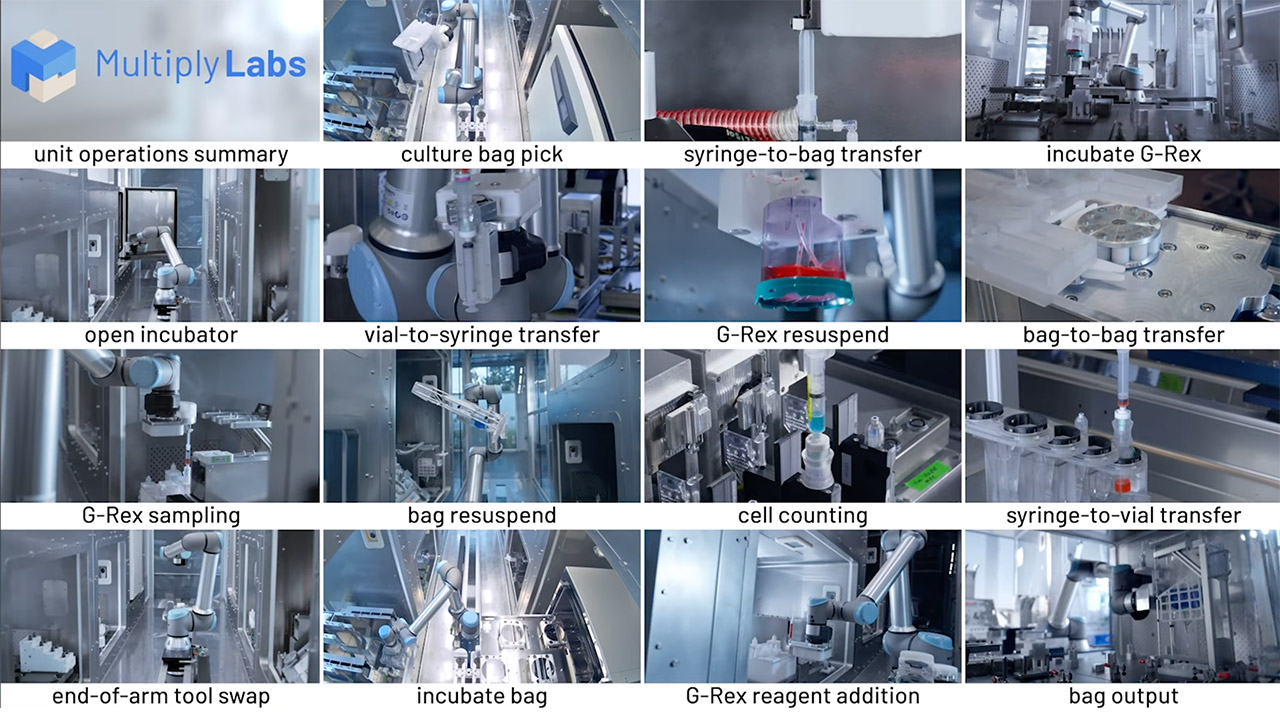
NVIDIA’s primary purpose here is to assist with simulation and training; they have collaborated with Multiply Labs to use Omniverse to build digital twins of the whole lab setup. This allows them to run thousands of virtual tests to detect and resolve mechanical flaws long before the hardware ever touches the actual equipment. Meanwhile, Isaac Sim is in charge of robotics training, which uses imitation learning to allow robots to watch video examples of competent people doing the task and then duplicate them, with FoundationPose and FoundationStereo serving as tools to assist put all of that knowledge into solid, reliable robotic commands.
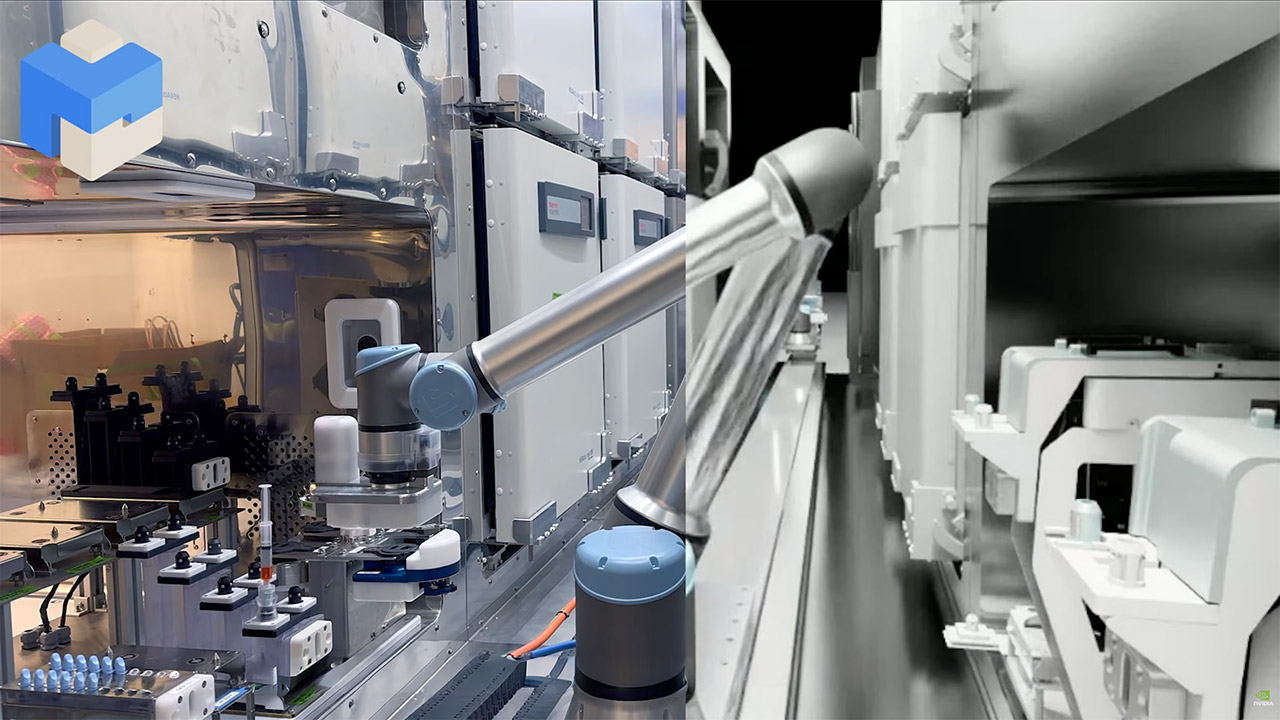
Multiply Labs has previously collaborated with major players such as Kyverna Therapeutics to automate the process, and the results are encouraging. Robotic systems have been able to reduce the cost per dose by more than 70%, lowering it from $100,000 to $25,000 – $35,000, while also dramatically increasing throughput to the point where facilities can produce up to 100 times more doses per square foot of cleanroom space than manual methods.

Eli Lilly and NVIDIA announced a new partnership at the 2026 J.P. Morgan Healthcare Conference, with plans to invest up to $1 billion over the next five years in a new lab for co-innovation in the San Francisco Bay Area. While the focus will be on using AI to accelerate drug discovery, the partnership will also look at manufacturing and improvements. NVIDIA particularly cited Multiply Labs as an example of physical AI in action that might help Eli Lilly scale up production of high-demand medications and strengthen supply chains.
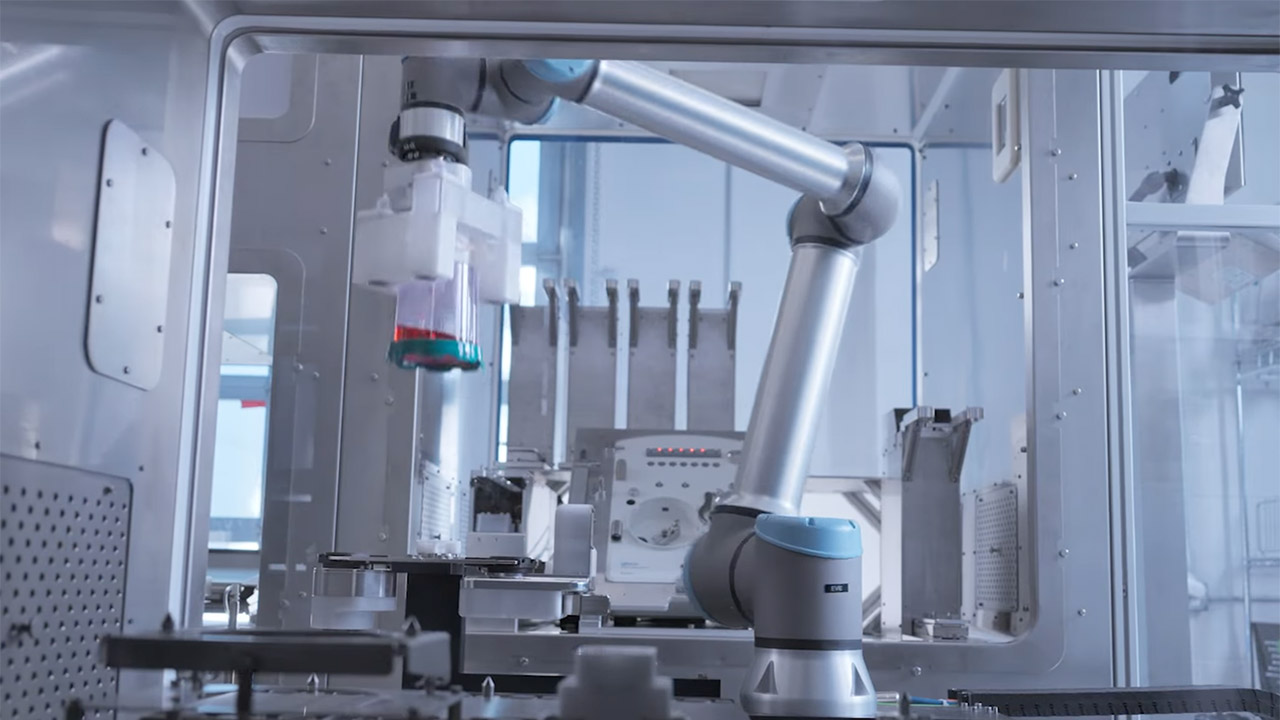
All of this points to a future in which automation can provide much-needed uniformity and efficiency to personalized medicine, and by reducing reliance on highly educated individuals and lowering contamination concerns, these robotic systems have the potential to make cell therapies far more accessible. As Eli Lilly begins to investigate how to implement NVIDIA’s platforms in their facilities, the potential for meaningful effect grows. The combination of simulation-driven training and real-world robots may eventually be the factor that transforms cell therapy from a niche treatment to a scalable option.
[Source]
Physical AI Robots Step Into the Clean Room, Show How NVIDIA and Eli Lilly Aim to Slash Cell Therapy Costs
#Physical #Robots #Step #Clean #Room #Show #NVIDIA #Eli #Lilly #Aim #Slash #Cell #Therapy #Costs