Up-Close Look at the Strange World of Translucent Prison Issue Android Tablets
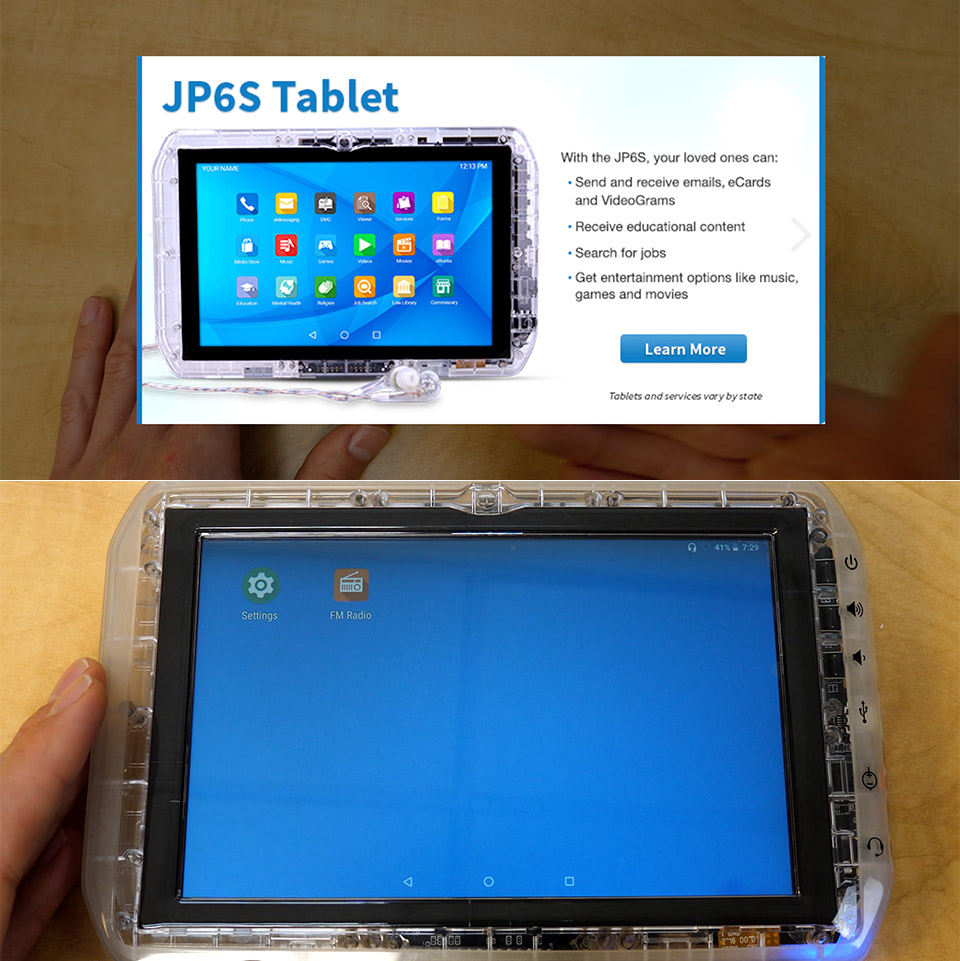
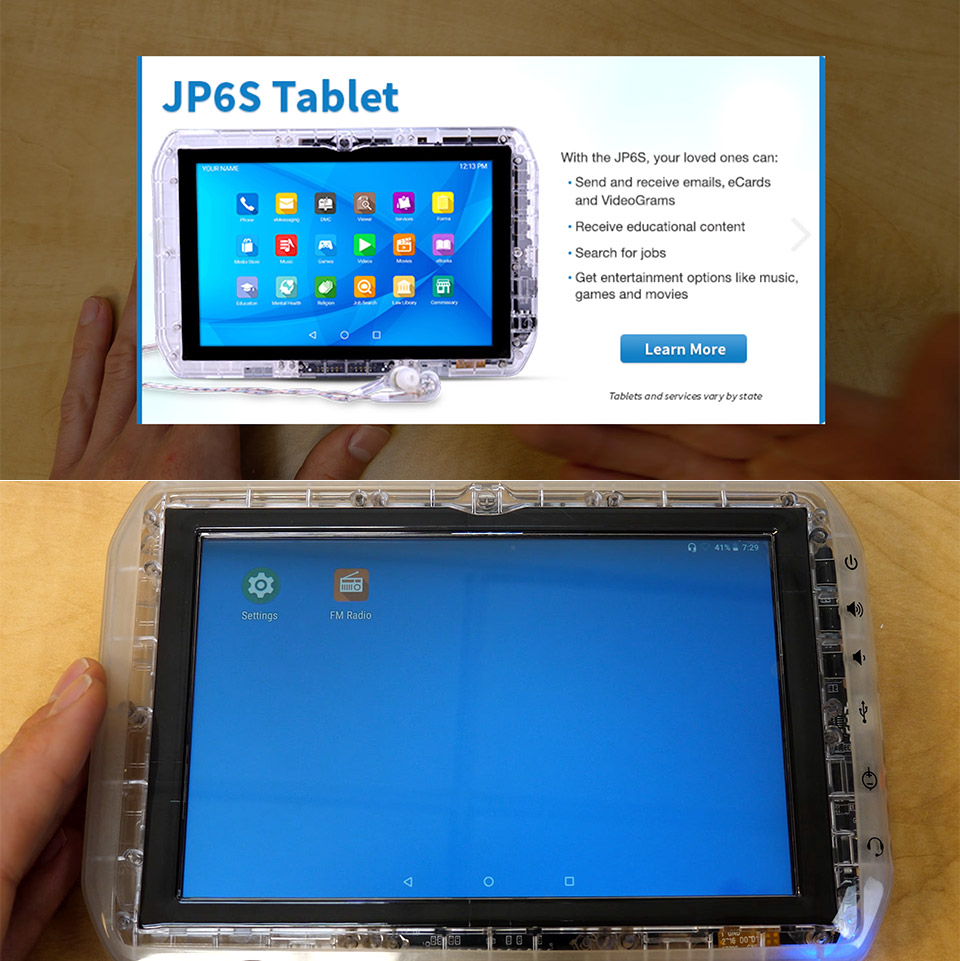
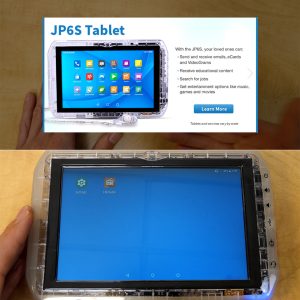
US prisons currently use Android tablets granted by the correctional institution as an upgrade from the gloomy electronics offered in the 1980s, 1990s, and early 2000s. Back then, convicts had a limited number of options, including shared payphones, a small portable radio, or, if they were lucky and had a few dollars, a Walkman, and possibly a few tapes or CDs if their funds were sufficient. Tablets are now primarily supplied by two major providers: Securus Technologies (by its subsidiary JPay) and ViaPath Technologies (after GTL). Jpay models, such as the JP6S, are currently dominating a lot of states; these devices run a closed down version of Android, which is often Android 8.1 these days.
The hardware is housed in a translucent plastic case designed to prevent people from concealing contraband inside, complete with a touchscreen and a built-in 8,000mAh battery. It has a limited amount of storage, or around 32GB in total split between all system files and the user space (24GB). The previous models, such as the JP4 or JP5, are quite simplistic and may even have non-rechargeable batteries or lower-spec CPUs, but this latest generation is much closer to an average consumer Android tablet from ten years ago.
Sale

Samsung Galaxy Tab A9+ Plus 11” 64GB Android Tablet, Big Screen, Quad Speakers, Upgraded Chipset, Multi…
- BIG SCREEN. FAMILY-SIZED FUN: Bring fun home to everyone with a bright, engaging 11″ screen¹ ; A refresh rate of up to 90Hz makes every experience…
- RICH SOUND ALL AROUND: Your music; Your shows; Your games; Hear them all loud and clear, thanks to quad speakers powered by Dolby Atmos; Galaxy Tab…
- POWER FOR ALL YOU DO. STORAGE FOR ALL YOU LOVE: Watch videos, play games and do more with an upgraded chipset; Keep everything you love together with…
Inmates utilize these devices in a variety of ways, all filtered via stringent regulations, of course. People send and receive email messages to allowed contacts outside, typically including photographs or short video segments known as videograms. Places set time windows for use, such as 6 a.m. to 11 p.m., during which all messages are scanned, etc. In some regions, video calls can be made directly from a cell phone, which is more private than congested phone booths. Phone calls are frequently made using tablets, while the rules differ by state.
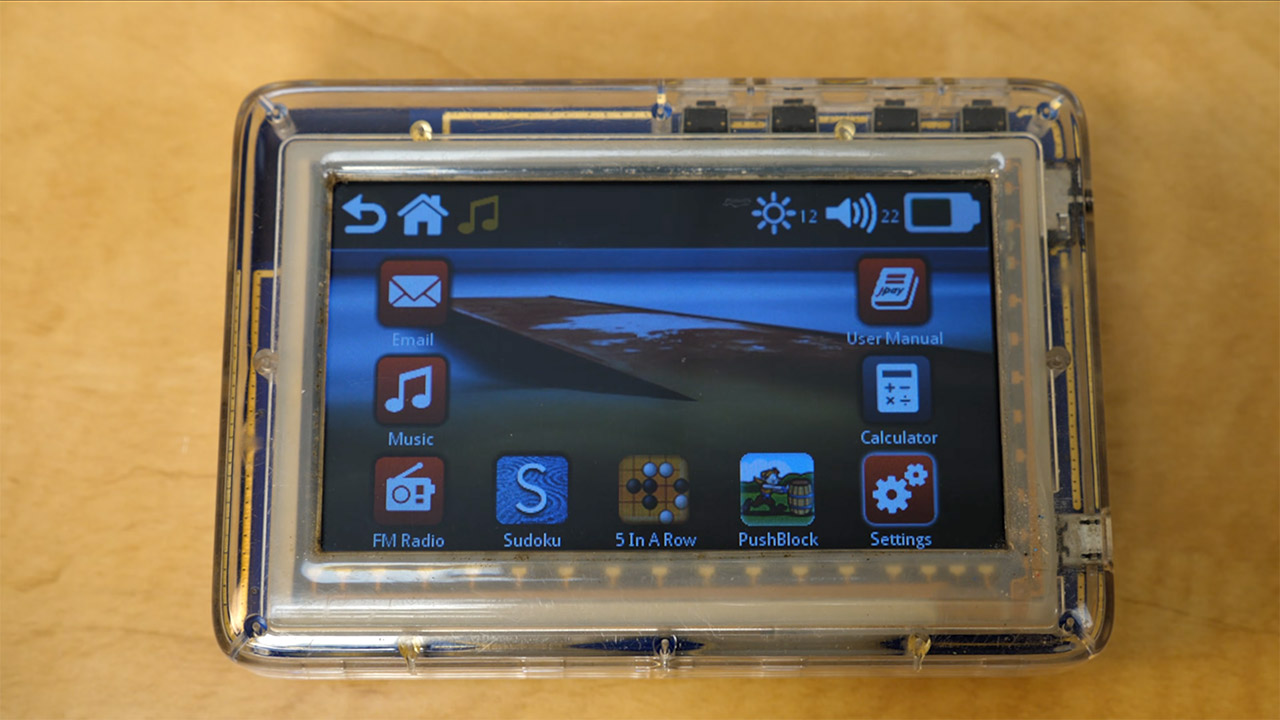
The rest of the time is spent on entertainment, as convicts peruse a carefully curated media store to buy or rent songs, albums, movies, games, and ebooks. They can then create playlists with music apps, and games range from simple puzzles like Sudoku or chess to more complex activities. Some places also provide instructional content, such as course apps, e-books, or fundamental skill-building programs. Standard features include a calculator, calendar, notepad, stopwatch, FM radio (though certain versions need you to use a connected earphone as an antenna) and a photo gallery for any images you’ve saved.
Just like the outside, everything costs money, and it’s deducted from an inmate’s commissary account. Emails cost between 25 to 50 cents per message, with additional charges for attachments; music songs or albums may set the back a few dollars, while movie rentals often range from $2 to $10. Games have comparable pricing. Some places charge a monthly subscription for broader access, while others charge per item. The tablets are normally free or low-cost thanks to state contracts, but the continuous services are what keep everything operating.
Up-Close Look at the Strange World of Translucent Prison Issue Android Tablets
#UpClose #Strange #World #Translucent #Prison #Issue #Android #Tablets