Gen Z’s New Year’s resolutions are set to be radically different from their parents
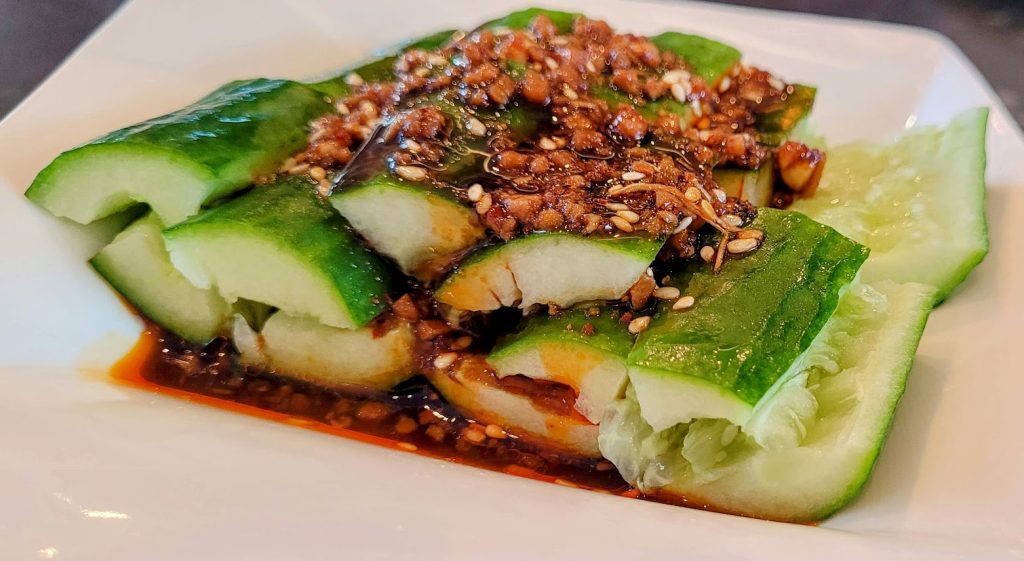
Healthy food. Image by Tim Sandle.
This time of year, many people make New Year resolutions. Across generations, these have tended to be fairly similar – lose weight, save money, travel more, etc. However, it seems that Gen Z are taking a different stance.
As many as 76% of the Gen Z cohort say the New Year’s resolutions of their parents’ generation are pointless, with low fat diets (21%), slimming clubs (15%) and celebrity exercise DVDs (25%) among the most out-dated health aids, according to a survey of 2,000 under 40s. This information comes from a survey commissioned by the company Frive.
In fact, as many as nine in ten of those polled agree that young people are turning to different lifestyle changes, in a bid to feel and look healthier, with 86% saying 2026 is the year they will take their health and wellbeing seriously.
And when asked about their New Year health pledges, almost a quarter (23%) will be embracing daily meditation sessions this January, while the same number will commit to zero caffeine and almost one in ten plan to be celibate.
Cutting out unhealthy food
While one in five plan to cut out all sugars, commit to daily intermittent fasting – or a social media blackout / digital detox for their mental health, according to the poll by Frive, the UK’s most premium food delivery service.
Consuming zero ultra processed foods (19%), enduring daily ice therapy (18%) and daily gratitude journaling (17%) are other ways younger Brits plan to be healthier and pushing towards “clean living” in 2026.
While one in ten plan to ditch dating apps entirely and almost one in ten (eight percent) will be swearing to remain celibate throughout 2026.
One in eight (15%) are making food-focused New Year’s resolutions — yet 32% of adults already believe they will fail their diet goals in 2026.Of these, 86% wish there were a simpler way to stay on track, showing how time-poor lifestyles derail good intentions.
Overall, as many as 91% of the 18 – 40-year-olds who took part in the survey, feel that the trials and tribulations of modern life, are encouraging more people to take drastic measure to improve their physical and mental health.
Total life reset
While 82% would like more than just a resolution for 2026 – they would like a total reset of their life, with 81% thinking their parents and grandparents were lucky not to live in the digital age.
74% think the days of simply joining a gym to feel better are over, with vitamin IV drips, Veganuary, Dry Jan and wheat and dairy free lifestyles also emerging on the list of extreme pledges for 2026.
Nutritionist Sophie Trotman, who is working with Frive, tells Digital Journal: “Modern life is busy, which is why sustainable habits matter. Focusing on simple things like balanced meals, immune-supportive foods and not taking an all-or-nothing approach to sugar can help people stay energised and committed long beyond January.” (Any quotes – and maybe 5 tips here on how to stick to your New Year health goals, whether it’s as simple as a healthy eating plan – or as dramatic as a total wheat dairy and sugar detox”.
Nutritional advice
Trotman’s advice is:
1. Support your body, don’t punish it
After December’s late nights, richer food and extra drinks, your body doesn’t need extremes – it needs support. Focus on fibre-rich vegetables like broccoli, kale and Brussels sprouts, alongside plenty of water to help digestion and energy levels rebalance naturally.
Adding colourful, antioxidant-rich foods such as berries, citrus fruits and leafy greens can help you feel more energised and less sluggish, without turning January into a harsh detox.
2. Prioritise protein to stay fuller for longer
One of the biggest reasons people quit healthy eating is constant hunger. Protein helps stabilise blood sugar, supports muscle recovery after workouts and keeps you feeling full for longer – reducing the temptation to snack.
Aim to include a protein source like eggs, fish, chicken, tofu or lentils at every meal. When time is tight, a balanced Frive meal makes it easier to stay consistent without the prep.
3. Eat to support immunity and resilience
With stress levels high and routines disrupted, January can take its toll. Foods rich in vitamin C (such as citrus fruits and peppers), zinc (nuts, seeds and seafood) and protein can help support your immune system and overall resilience.
A balanced diet won’t prevent illness entirely, but it can help your body cope better with the demands of modern life.
4. Be intentional with sugar, not all-or-nothing
Many people vow to quit sugar entirely, but that approach can backfire. Instead of cutting everything out, enjoy sweet foods mindfully. Slow down, sit down, and actually taste what you’re eating rather than grazing absent-mindedly.
Pairing sugary foods with protein or healthy fats – like yoghurt or nuts – can help prevent energy crashes and make healthier habits easier to stick to long term.
5. Keep meal timing realistic
Late-night eating can disrupt sleep and digestion, especially during busy weeks. Where possible, aim to eat your evening meal two to three hours before bed to give your body time to wind down properly.
Simple shifts like this support steadier energy, better sleep and more balanced appetite the next day – helping you stay on track long after Quitter’s Day.
Gen Z’s New Year’s resolutions are set to be radically different from their parents
#Gen #Years #resolutions #set #radically #parents