Corridor Crew Showcases the Enduring Magic of Forced Perspective, Made Famous by Lord of the Rings
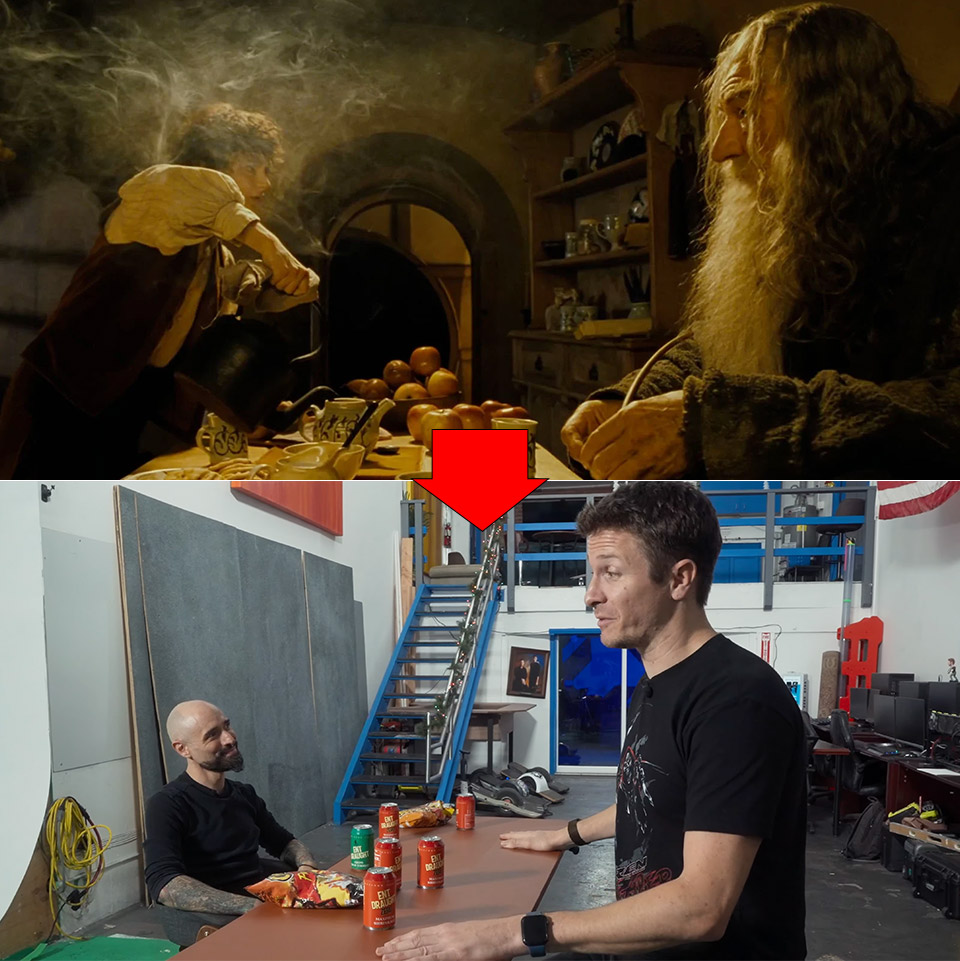
Filmmakers have a long history of adopting deceptive techniques to distort reality on screen, and few techniques are as effective as forced perspective. Peter Jackson realized this when he utilized the technique throughout The Lord of the Rings: The Fellowship of the Ring to make Gandalf appear to tower over the hobbits without using CGI.
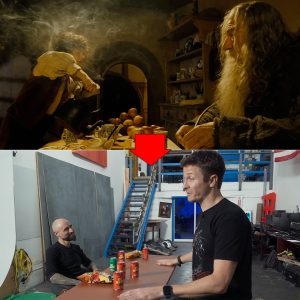
Corridor Crew has gone back and recreated one of the trilogy’s most memorable shots: Gandalf and Frodo sharing a table at Bag End, with the wizard making the hobbit appear diminutive. Their version emphasizes how exact the original setup had to be and why the illusion still works so well after all these years.
Sale
Xtra Muse, Vlogging Camera with 1” CMOS & 4K/120fps Videos, Pocket Camera with 3-Axis Gimbal Stabilizer,…
- Cinematic-Style Footage – Experience the power of Xtra Muse’s 1-inch CMOS sensor, capable of recording breathtaking 4K resolution videos at 120fps….
- Ultra-Steady Shooting – No more shaky videos! Xtra Muse’s advanced 3-axis gimbal camera stabilizer ensures exceptional smoothness. Enjoy smooth…
- Effortless Framing – Enjoy Xtra Muse’s expansive 2-inch touch screen, and switch between horizontal and vertical shooting effortlessly.
The basic principle of forced perspective is pretty simple. The closer an object is to the camera lens, the larger it seems on screen – even if the object is the same size as the background. Take a tall actor and place them right close to the lens, and a shorter actor a few feet away, and the camera will record the tall one as a giant and the little one as a tiny human. Of course, the key to making it work is to ensure that everything is aligned so that the difference in distance remains hidden from view.
In the Bag End scene, the table is split down the center. Gandalf sits on one side, close to the camera, and Frodo sits on the other, a few feet further back. There is a seam running along the center of the table, but the camera angle is so well placed that it is completely hidden. That’s not all, the props on Gandalf’s side are slightly oversized, and the actors avoid looking each other directly in the eyes, which would have ruined the illusion. Finally, the camera’s depth of field is set so deep that both parts of the table remain sharp, and there are special platforms beneath the ground to make it appear that the actors’ feet are on the same level with the table.
The moving camera is what makes the Lord of the Rings version of this approach stand out. Most forced perspective photos are stationary because moving the camera reveals the true distances by causing the objects in the foreground and background to shift at different speeds, a process known as parallax. To get around this, Jackson’s team devised a smart solution: the camera moved in sync with the actors, with Gandalf’s side of the table moving forward at a set speed relative to the camera and Frodo’s side moving back or static. This ensured that as the camera moved across the scene, the size difference between the two sides stayed steady, cancelling out the parallax effect.
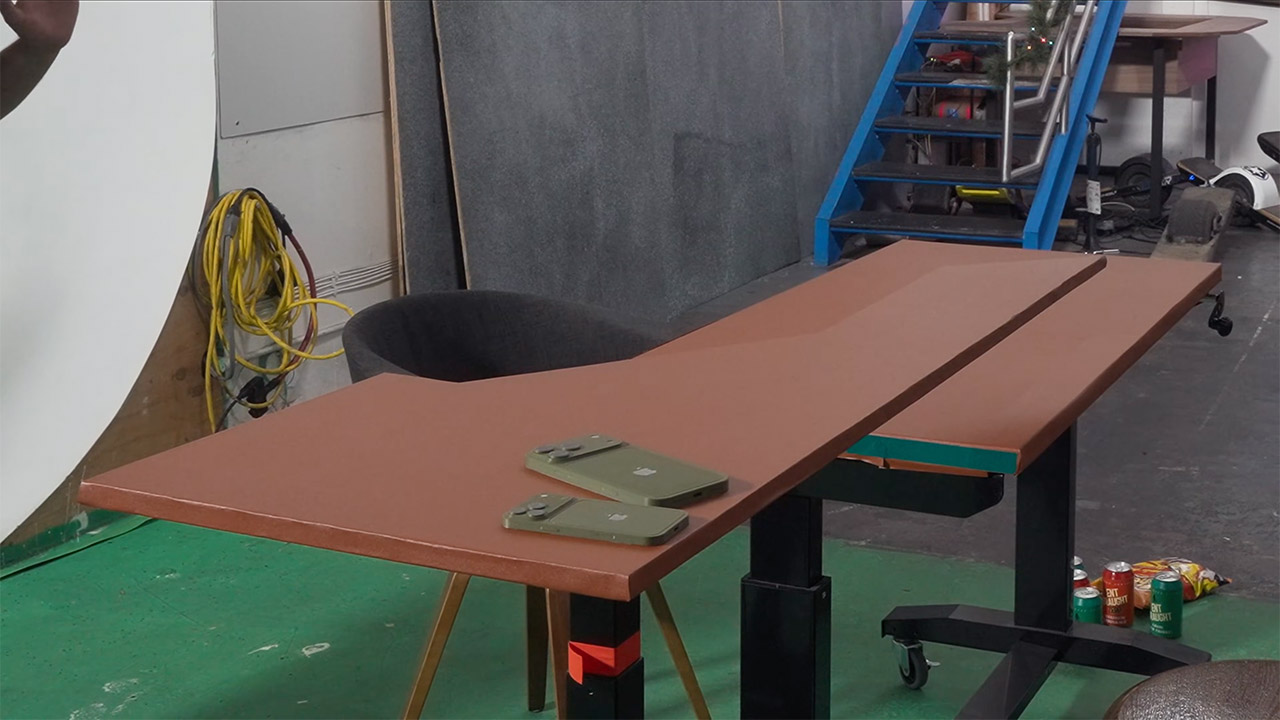
Corridor Crew took on the same challenge using some of the latest and greatest tools. They set up a split table (a table sliced in half to suit both performers) and erected a platform for the taller actor to stand on. They used motion-control robots to drive both the camera slider and the platform, allowing the camera to move in time with the performers. The most important component was determining the appropriate speed ratio; for a given camera move, the larger actor moves only a fraction of that distance to remain in the correct position. After a few test runs and some technical challenges with the hardware, they finally got it correct, with only a tiny post-production cleanup required to smooth out a tricky overlap.
But this technique has been around for a gazillion years, appearing in paintings, architecture, and a variety of other mediums long before movies. However, the Lord of the Rings crew elevated this method to a whole new level by mixing it with some extremely inventive props, lighting, and coordinated performances. As a result, shadows fall where they should, hands interact with the items that stand in for them, and light behaves exactly as it would in real life across the entire frame. And that constancy is what gives the effect its seamless feel; digital composites rarely achieve that level of polish.
[Source]
Corridor Crew Showcases the Enduring Magic of Forced Perspective, Made Famous by Lord of the Rings
#Corridor #Crew #Showcases #Enduring #Magic #Forced #Perspective #Famous #Lord #Rings