Maker Reveals Clever Twist on Aircrete, a Lightweight Concrete You May Not Have Known About
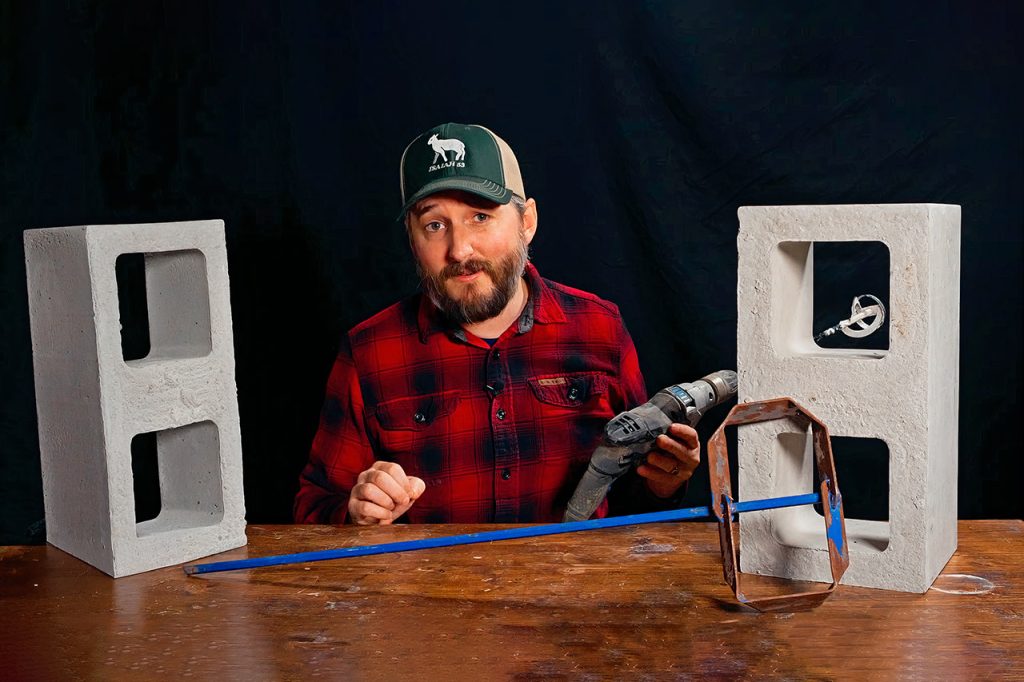
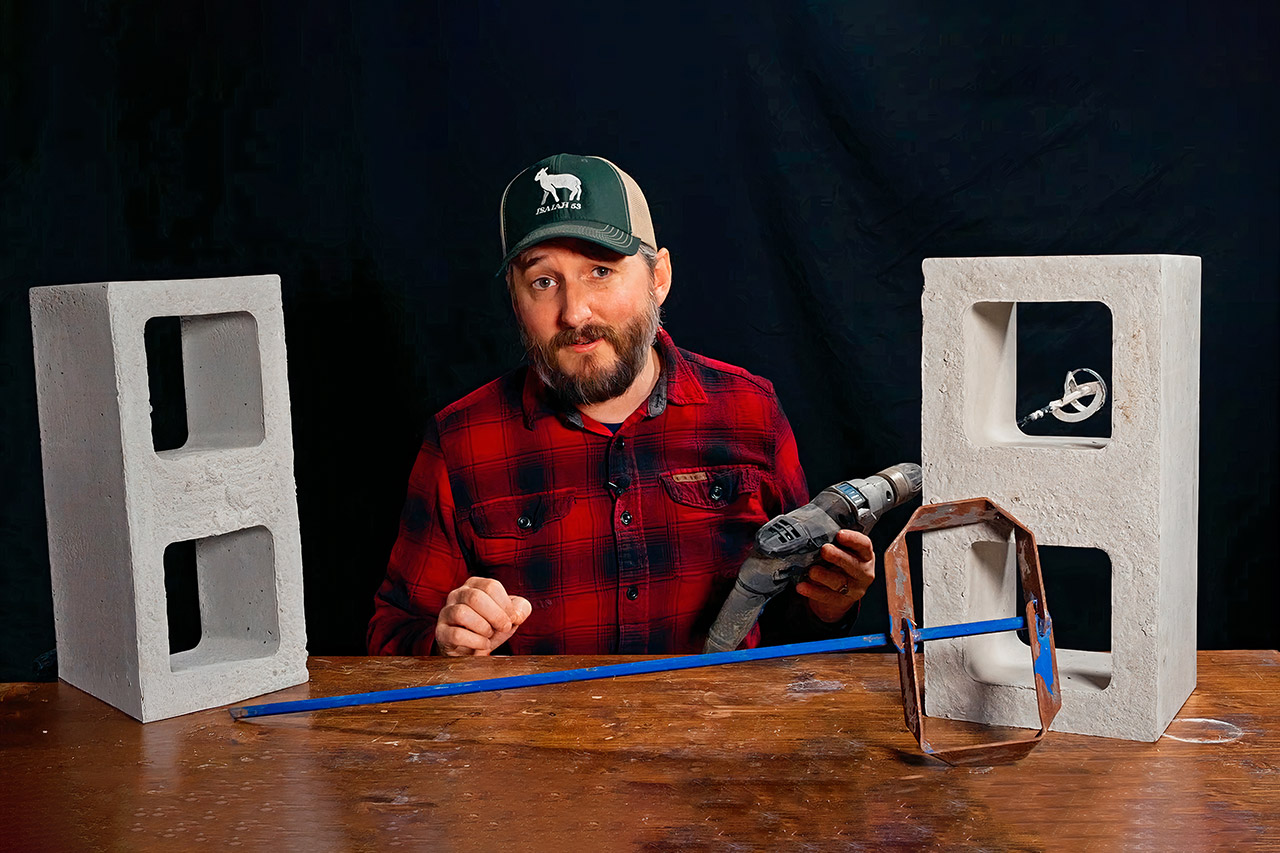
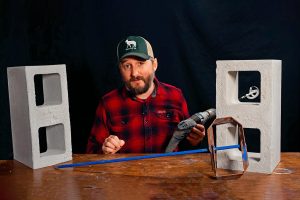
Aerated concrete is a popular choice among builders, and for good reasons. Its strength is matched by an almost feather-light weight, thanks to the small air pockets contained inside. Of course, those air pockets are important, but that only tells part of the tale.
In contrast, what about commercially aerated concrete? That’s a completely new ballgame, requiring higher manufacturing standards and specialized equipment. But before you start thinking about those kinds of prices, a simple little experiment at home can generate a comparable result with no bother or hassle.

LEGO Icons Boutique Hotel Model Kits – Bedroom or Office Decor for Men & Women, Ages 18+ – Building…
- LEGO Boutique Hotel set for adults is a tribute to turn-of-the-century European architecture, celebrating 15 years of LEGO Modular Buildings
- Authentic architectural details with 5 sections including guest rooms, penthouse, terrace and staircase, plus an art gallery and coffee cart
- This LEGO hotel set includes 7 minifigures: porter, receptionist, coffee vendor and gallery owner alongside a selection of guests and staff
Here’s a DIY trick that drew our attention: a method invented by a person named NightHawkInLight, who enjoys working on small DIY science projects in his spare time. No costly gadgets are necessary here; just a mix of Portland cement and foam he created himself. To begin, take some xanthan gum from your local supermarket’s baking aisle, the thing you use to thicken sauces. To prevent the gum from becoming lumpy, combine 15 grams with a small amount of rubbing alcohol. To get the best bubble activity, add 60 ml of dishwashing liquid (blue usually works well), then a litre of water. Stir everything together and let it set for 5-10 minutes until it thickens into a gel-like consistency.
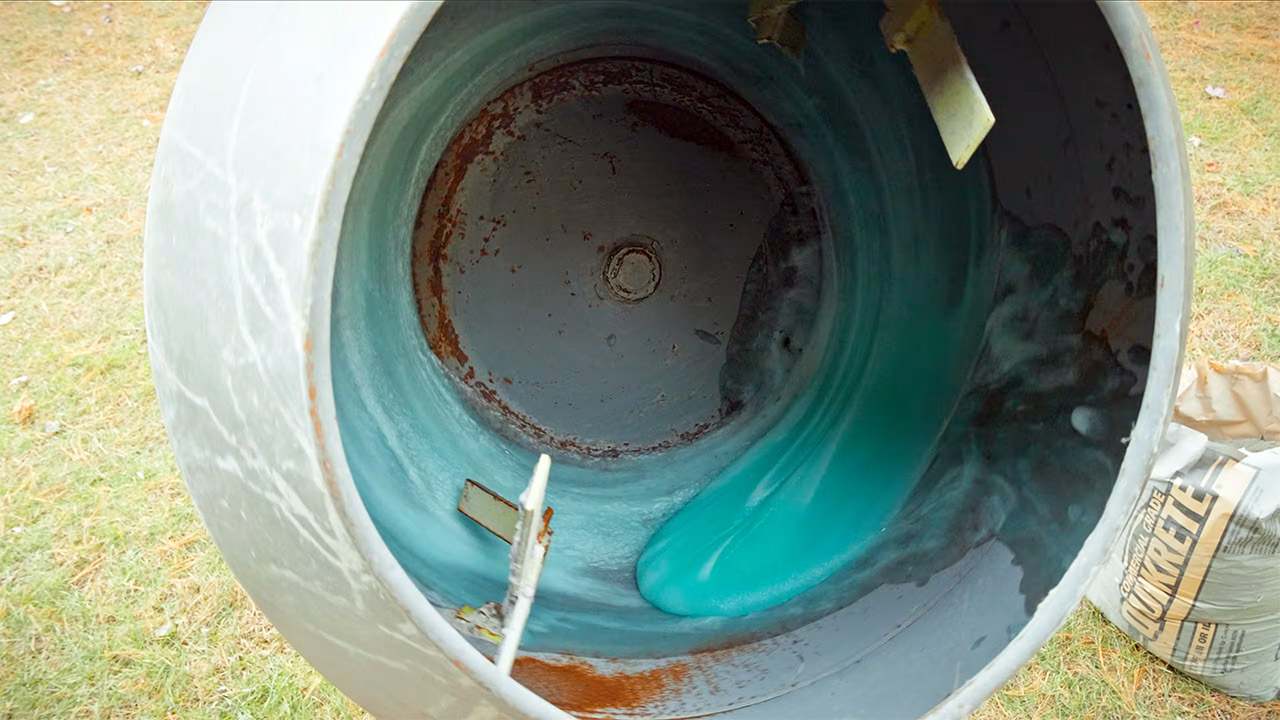
The xanthan gum does an excellent job of stabilizing the soap bubbles, allowing them to withstand the wet cement without immediately dissolving. Next, add the cement. You’re looking for a mix of two parts dry Portland cement and one part gel. At first, everything appears dry and crumbly, but keep stirring and the soap will begin to seep in and whip up some air.

The more you mix it, the more air will be added, resulting in a lighter end product. Get the mixture to the proper consistency and pour it into some molds – that’s all. It starts out pretty hard, almost like a meringue, but you must cover it with plastic or a moist towel for a day or two to prevent it from drying out too soon. A week or so later, everything should be rock solid. What’s truly interesting is that a block that was supposed to weigh 50 pounds ended up weighing only 22, but it’s nearly as powerful as a solid rock.
[Source]
Maker Reveals Clever Twist on Aircrete, a Lightweight Concrete You May Not Have Known About
#Maker #Reveals #Clever #Twist #Aircrete #Lightweight #Concrete