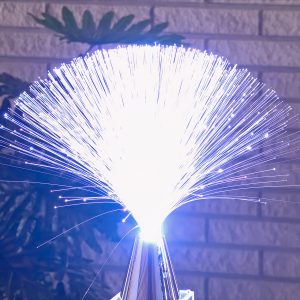
Cranking a Fiber Optic Lamp to Maximum Brightness is Possible, Just Not Recommended
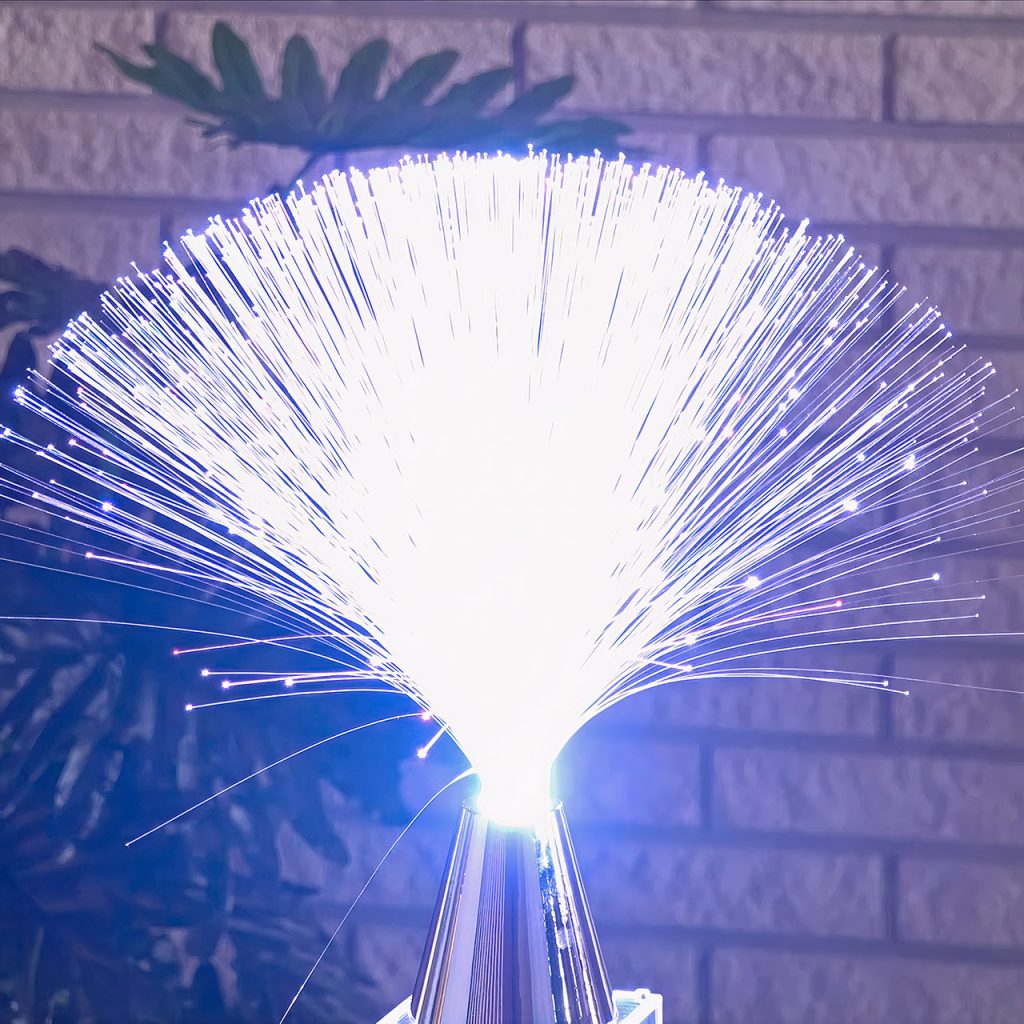
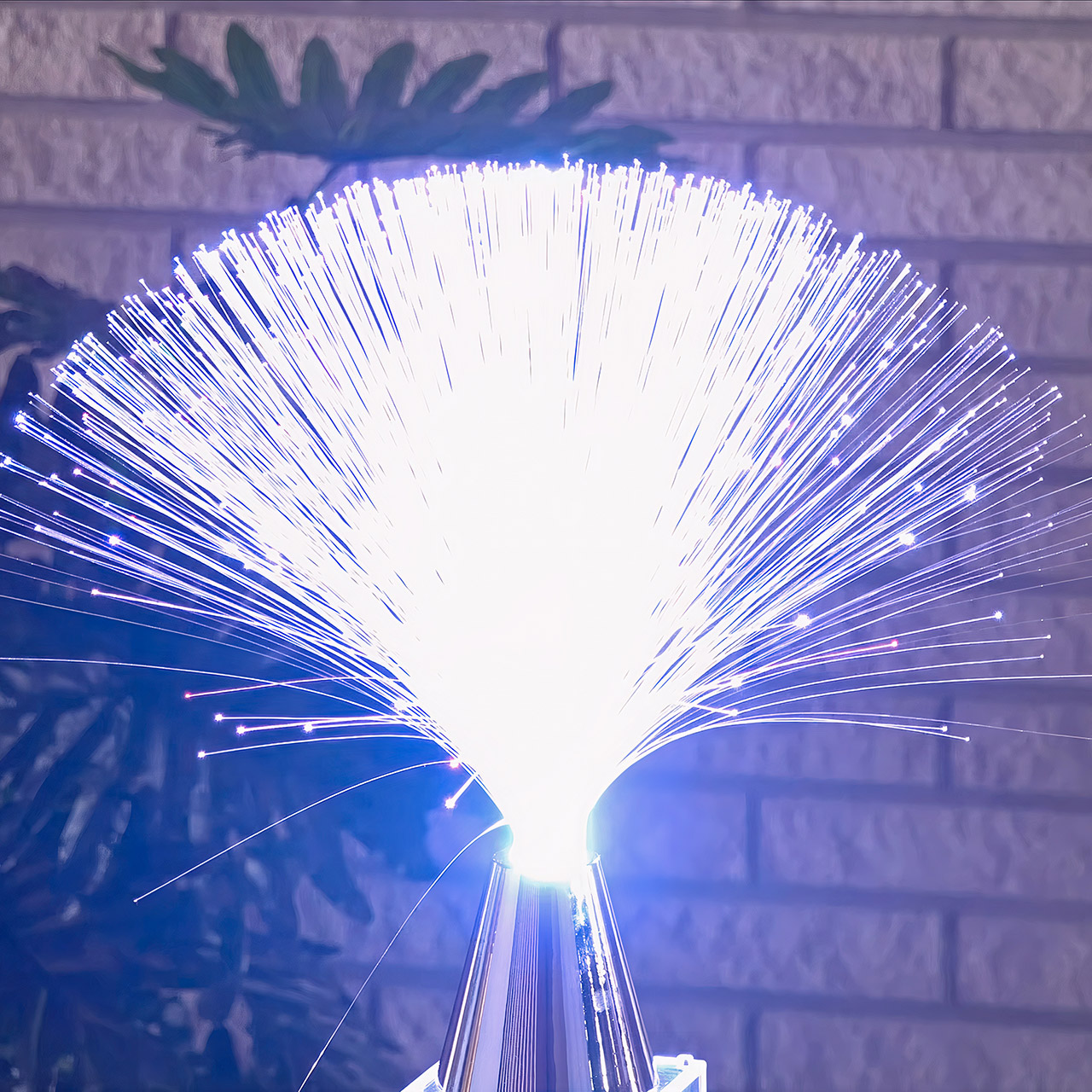
Fiber optic lamps are best known to create their own little glittering lights in a room, transforming it into a magical place. Many people remember them as a quiet novelty, like something you’d find on a child’s nightstand, but one project takes that quiet glow and amps it up to a whole new level, transforming a harmless bedside companion into something that commands a little respect.
Brainiac75, the project’s creator recognized for coming up with some extremely imaginative experiments, began with what he viewed as the fundamental problem with traditional designs…they were just too dim. Older variants use a small 5 watt halogen bulb and a spinning color wheel to adjust the light to different hues. The bulb is inserted into a GU4 or GZ4 base, fed by a bundle of plastic fibres that transmit the glow to the end, and then the magic begins. Those ends produce the trademark starfield effect, although the low power makes everything a little muted.
Sale
Govee TV Backlight 3 Lite with Fish-Eye Correction Function Sync to 55-65 Inch TVs, 11.8ft RGBICW Wi-Fi…
- Upgraded Govee Envisual Technology: The upgraded chip provides stronger performance with a fish-eye correction function, expanding the effective range…
- 4-in-1 Lamp Bead: RGBICW TV lights add an extra warm white chip into the color mix, a purer white tone and the improved pixel density make the…
- Gravitational Hanging Design for Camera: Simplify installation and adapt for ultra-thin TVs. You can use the adhesive to stabilize it without wobble,…
For his starting point, he opted to simply replace the original halogen with a more modern LED bulb that was suitable. A 2.5 watt version produces nearly the same amount of light as a 20 watt halogen, thanks to its higher efficiency. The lamp becomes substantially brighter immediately away, yet it continues its slow motion dance of color, and the overall effect is quite pleasant. Then he replaces that with a 4.2 watt LED, and the brightness level simply rises again. At this stage, the fibers are lighting brilliantly, the tips are sparkling white, and everything looks great, rather than eye-searingly intense. The colors still seem fine, and the lamp may be left on for hours without worry.
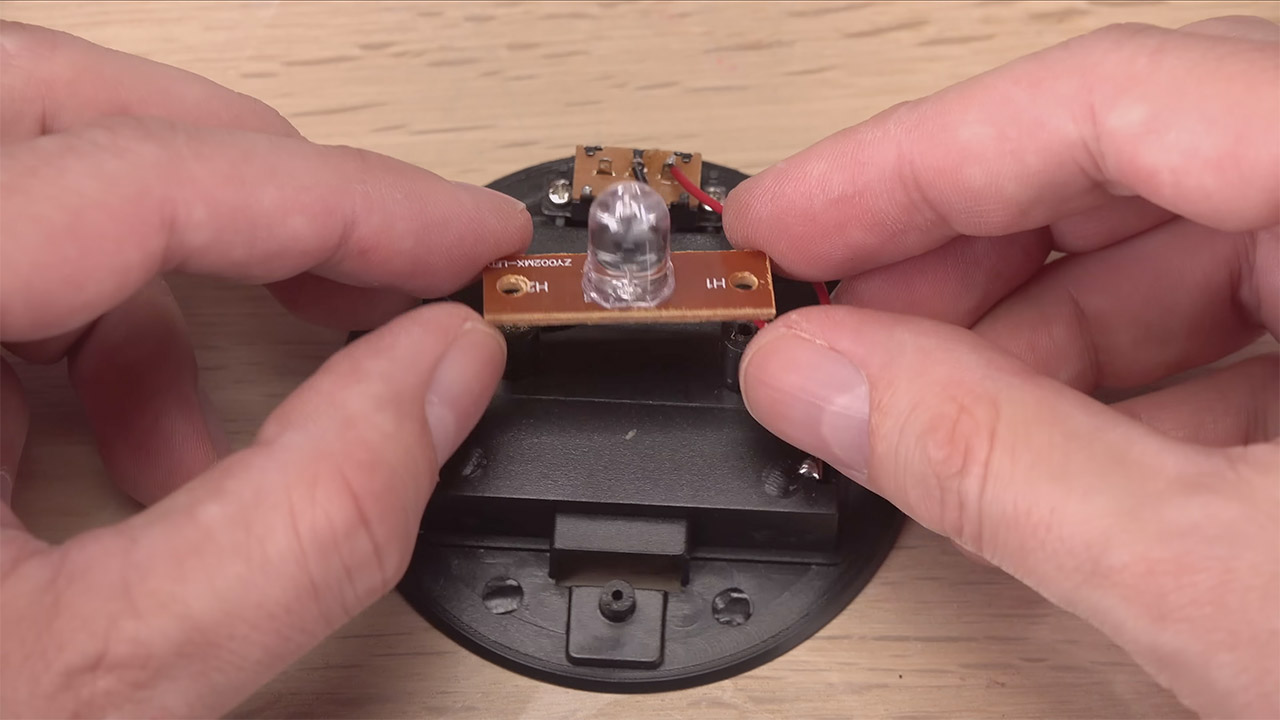
This modern battery-powered variant is one design that takes a different approach. It’s based on a tiny color-shifting LED that consumes only 60 milliwatts. In many respects, this reduces the original light to nearly nothing. Swapping that tiny bulb is difficult because the design is so compact and there is no ventilation. Instead of meddling with it on the inside, he chose to attempt something on the outside.
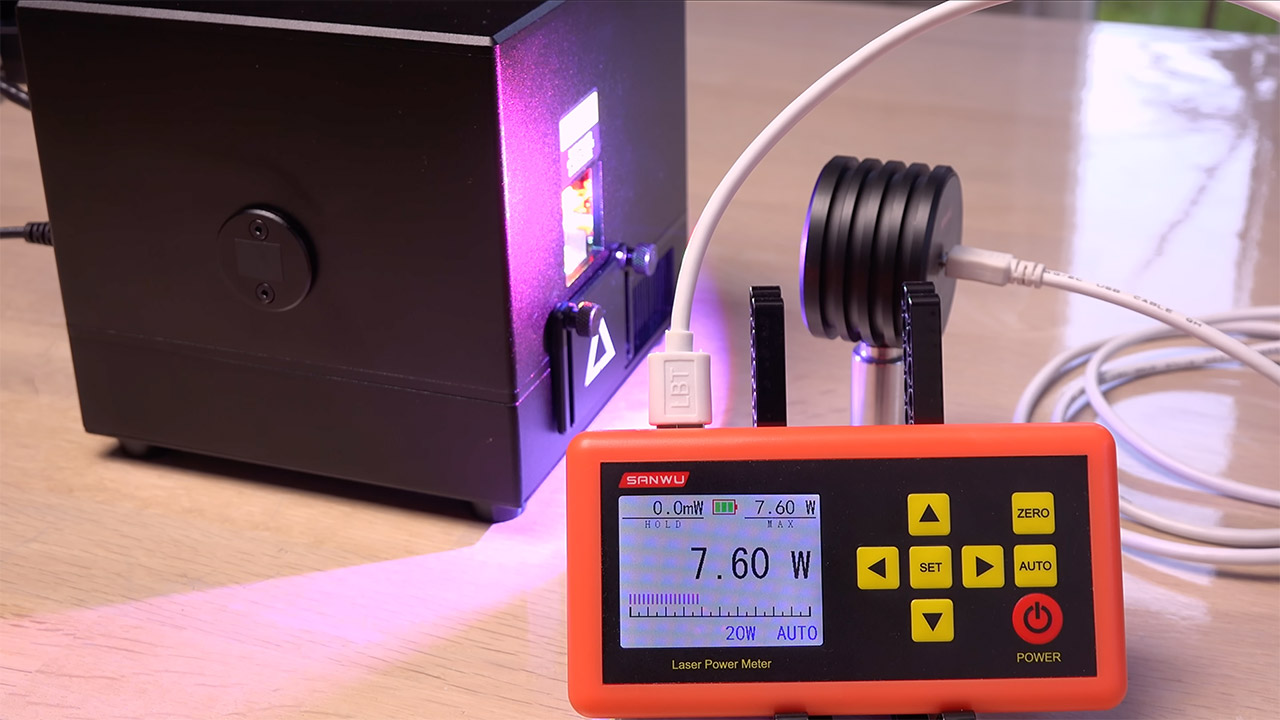
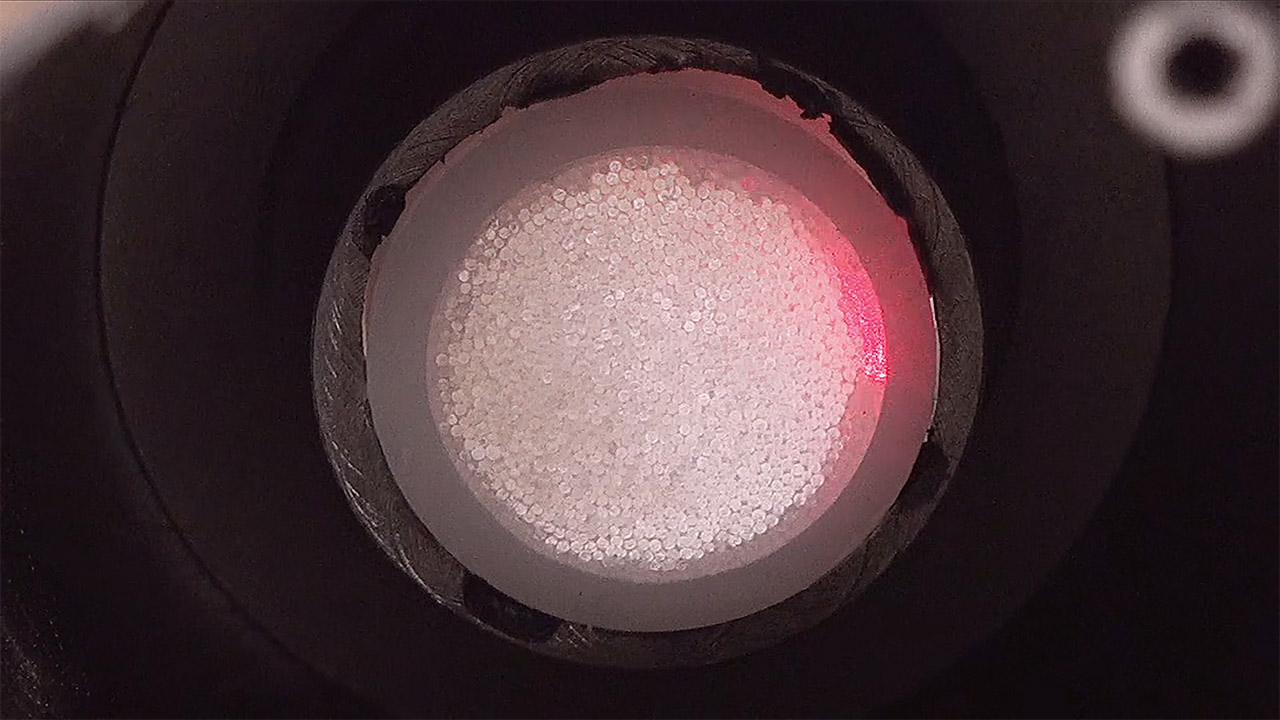
He pointed a high-powered RGB laser, the LaserCube Ultra, with an actual output of 7.5 watts, directly into the fiber bundle. A rubber sleeve and a piece of acrylic help to confine the mess. When turned up to full power, the lamp becomes blindingly bright. Camera sensors get overloaded, the fibres begin to glow so brightly that side emission occurs, and the delicate star points are eventually lost in a solid wash of light. The intensity peaks at around 120 million lux, which is approximately 1000 times more intense than direct sunlight in the middle of the day.
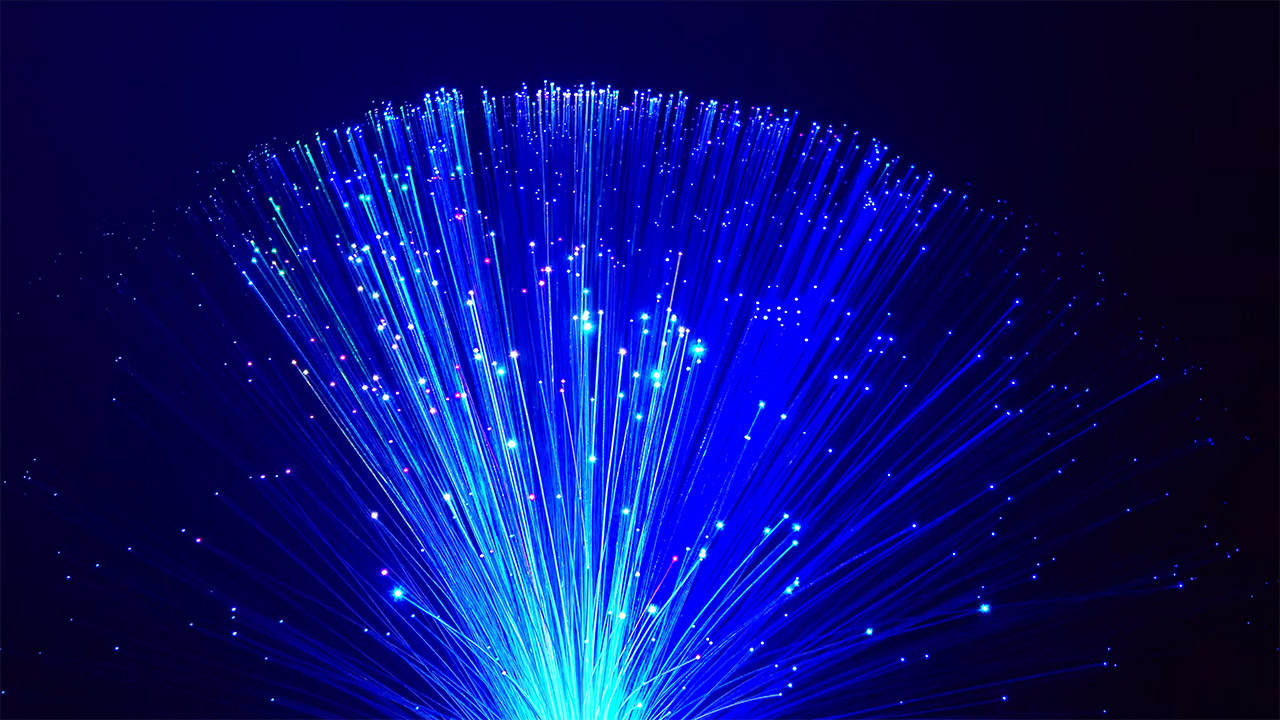
He turns the laser power way back in order to acquire something usable. In that mode, you can see the rich, brilliant hues flowing across the fibres in graceful sweeping patterns. Reds, greens, and blues swirl together and then separate with precision, creating a show that resembles fireworks fired in mid-air. The effect persists even when the fibre bundle moves, and the colours remain sharp exactly where the original bulbs faded them out.
Safety remains a major priority at all times. You can picture the harm that lasers like these might cause to your eyes if you aren’t careful, including permanent damage if you don’t take the right precautions. The author insists that you wear the appropriate safety glasses that match the wavelength, strictly adhere to all operating directions, and avoid direct exposure. The defocused beam coming out of the fibers packs enough impact to make you want to take a step back and be cautious. The older LED updates pose much less of a risk, with only conventional electrical handling and a small amount of heat from the slightly higher watt bulb.
[Source]
Cranking a Fiber Optic Lamp to Maximum Brightness is Possible, Just Not Recommended
#Cranking #Fiber #Optic #Lamp #Maximum #Brightness #Recommended