NASA’s Webb Reveals the Hidden Details of the Helix Nebula
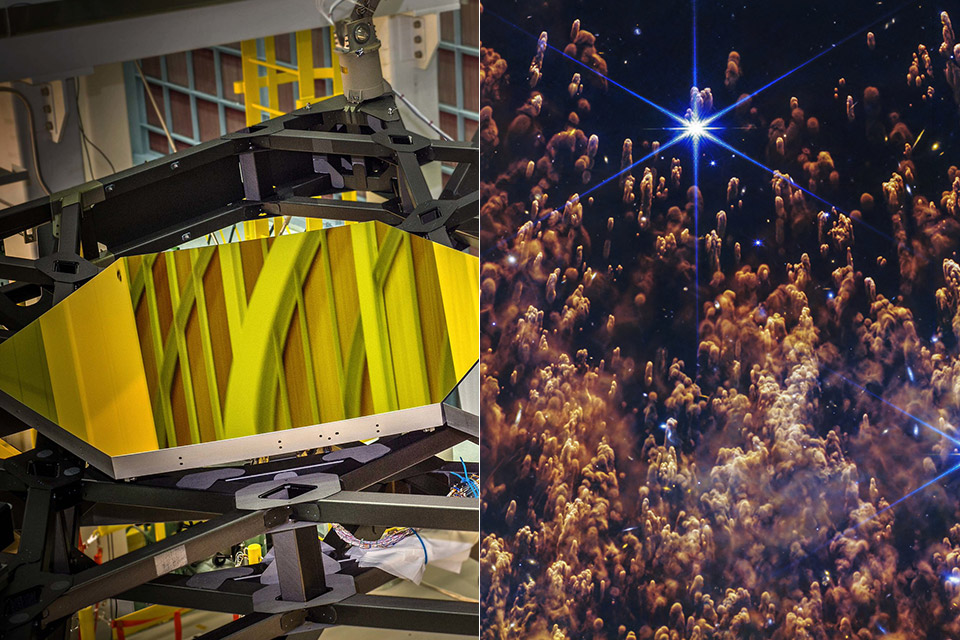
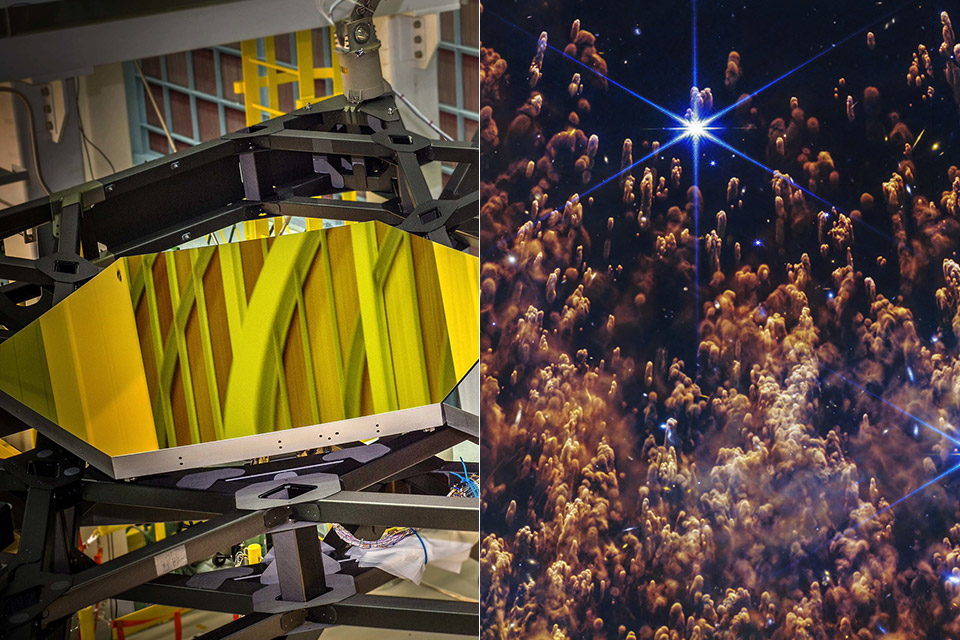
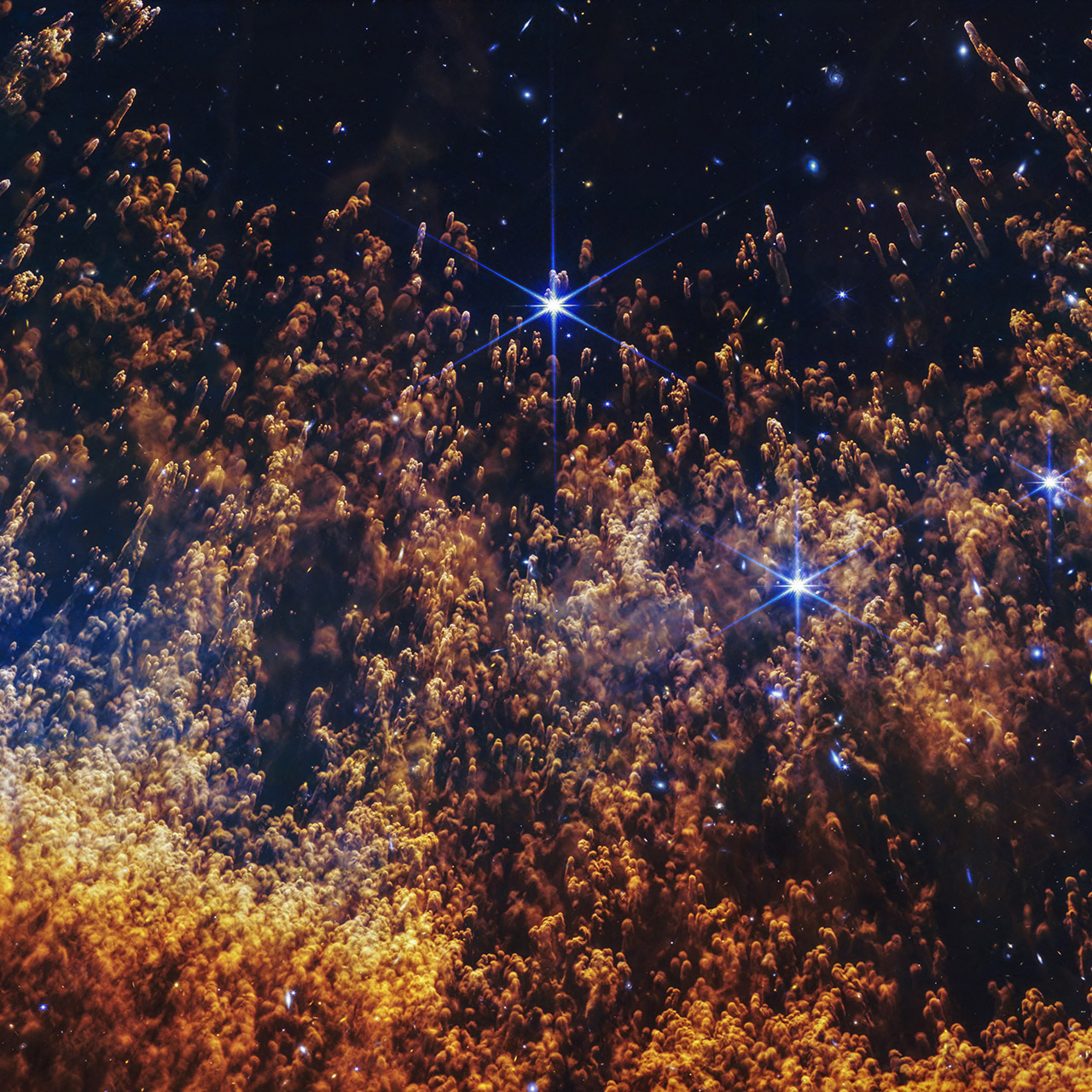
The Helix Nebula is one of the most beautiful planetary nebulae visible from Earth, and NASA’s James Webb Space Telescope recently captured the finest image yet. This bright shell of gas and dust, located approximately 650 light-years away in the constellation Aquarius, is the last act of a star that bears a remarkable likeness to our own sun. The most recent near-infrared measurements have pinpointed a portion of the nebula in extraordinary detail, revealing far more than previous observatories could detect.
A dying star decides to shed its outer layers in its latter phases of life, leaving behind a scorching white dwarf core at its center, much like our Sun would do. The core then emits massive amounts of UV radiation and violent winds into the surrounding material. The Webb image focuses on the inner regions where these forces have the greatest influence on the nebula’s form, and what you see is a slew of comets with cometary tails stretching across the image. These cometary knots occur when fast-moving hot gas collides with slower, cooler shells it ejected previously. The impact then carves out a variety of complicated structures that shine in the infrared light that Webb has so accurately detected.

Celestron NexStar 8SE Computerized Telescope – 8-Inch Schmidt-Cassegrain Optical Tube – Fully…
- ADVANCED TECH MEETS ICONIC DESIGN: The NexStar 8SE pairs Celestron’s legendary orange tube with a fully computerized GoTo system—ideal for those…
- 8-INCH SCHMIDT-CASSEGRAIN OPTICS: The large 8″ aperture gathers enough light to reveal fine lunar details, cloud bands on Jupiter, and deep-sky…
- FULLY AUTOMATED GoTo MOUNT WITH NEXSTAR+ HAND CONTROL: Use the NexStar+ hand control to select from a 40,000+ object database. The computerized mount…
The hues in this image depict the temperature and chemical makeup of the nebula. The blue pieces are nearest to the center white dwarf and are caused by intense ultraviolet radiation, which energises the gas and turns it into a heated, ionised state. The yellower chunks farther out illustrate where the cooler gas is, where hydrogen atoms combine to form molecules. The reddish bits that dominate the margins are where the material thins down and cools, causing dust grains to condense. Then there are the black pockets that are spread about; these provide a shield from the harsh radiation, allowing more complicated molecules to live and grow. This time, with Webb’s better resolution, you can see these zones clearly, revealing how the nebula recycles the star’s leftover material into the stuff that will help form new stars and planets.
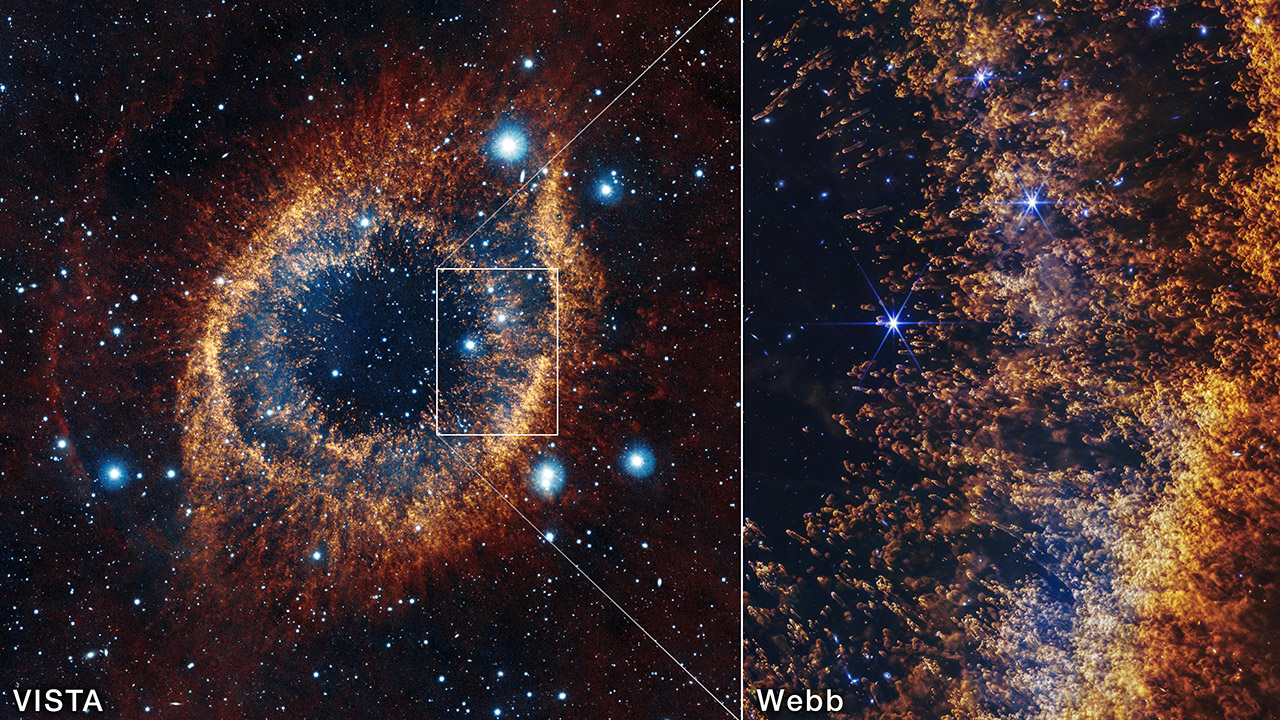
Hubble used visible light to enhance the nebula’s ethereal appearance, and Spitzer used infrared to see dust and molecular activity, but now Webb combines high-resolution imaging and infrared sensitivity, and the result is a visual feast. The cometary knots are much more visible now, and their shapes really pop against the brilliant background. What a sight it is, as the entire thing spans such a wide distance, but this zoomed-in image really captures the dynamic violence and peaceful beauty of a star’s death.
One reason astronomers are so interested in the Helix Nebula is that it provides them with a sense of what will be traveling our way 5 billion years from now when the Sun makes the same voyage. The white dwarf at its center has already lost its atmosphere, and its expanding gas shell continues to blow into the interstellar medium. Now, the material that was formerly tied up with the star is scattering, leaving behind a path of heavier elements and dust. When you look at these infrared images, it all feels very close to home, a reminder that stars are constantly transmuting and contributing to the cycle of creation all throughout the universe.
NASA’s Webb Reveals the Hidden Details of the Helix Nebula
#NASAs #Webb #Reveals #Hidden #Details #Helix #Nebula