Device that may be tied to “Havana Syndrome” obtained by U.S. government
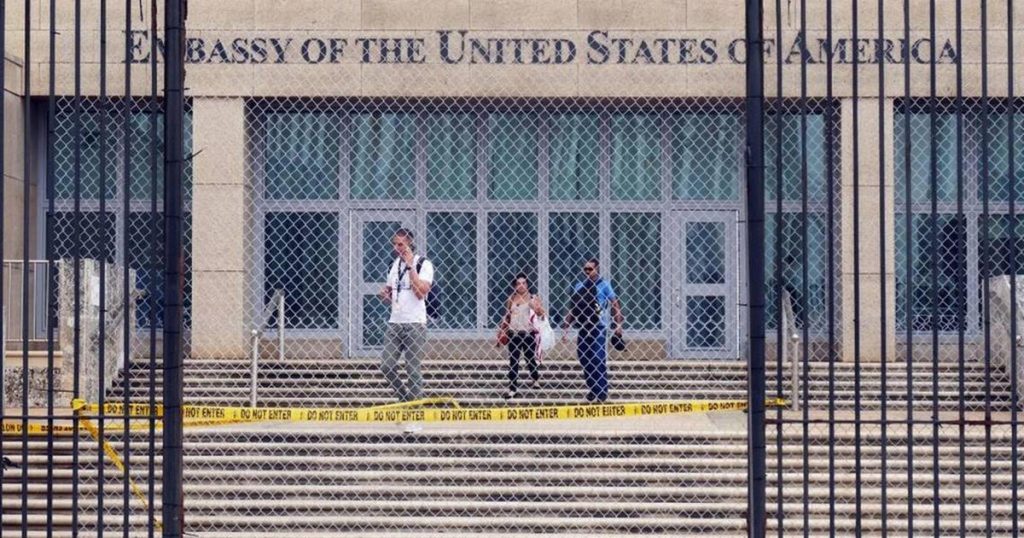
The U.S. government quietly acquired a device in late 2024 that officials believe may be connected to the debilitating condition known as “Havana Syndrome,” which more than 1,500 American officials have reported experiencing since 2016, according to multiple sources briefed on the matter who spoke with CBS News.
The device was purchased clandestinely in the final weeks of the Biden administration by the Department of Homeland Security’s Homeland Security Investigations division, using Pentagon funding that exceeded eight figures, according to two people familiar with the matter. The device is portable, backpack-sized, and contains components of Russian origin, the two people said.
Three of the people said the Pentagon has been testing the device, which emits pulsed, radio-frequency energy, for more than a year, but did not offer details on the nature of the tests. They said the department’s investigators believe it may be capable of reproducing the effects described by victims of “Havana Syndrome,” a term derived from the cases first reported by U.S. diplomats and intelligence officers in Havana, Cuba, in 2016. U.S. officials briefed some of their findings to congressional oversight committees last year.
Details about the U.S. acquisition of the device were reported by independent journalist Sasha Ingber and CNN.
The Pentagon and DHS did not immediately reply to requests for comment. The CIA declined to comment.
Victims have reported a spectrum of neurological symptoms, including severe headaches and head pressure, vertigo, nausea, and ringing or popping sensations in the ears. Many have described hearing an intensely high-pitched, painful sound that appeared to subside when they moved to another location. For some, the effects were so severe that they were ultimately forced to leave their jobs. Reports of cases have emerged from every populated continent, spanning dozens of countries, and involving diplomats, intelligence officers, and military personnel.
Some Havana Syndrome victims have spent more than a decade trying to draw attention to their cases, often faulting their government employers for failing to provide meaningful support or access to specialized medical care. In the absence of official recognition, some resorted to paying out of pocket for expensive diagnoses and treatments, and have described a sense of isolation and marginalization as their condition went unacknowledged.
An initial U.S. intelligence assessment completed in 2023 concluded it was “very unlikely” that a foreign adversary was responsible for the illnesses, which the Biden administration formally labeled “Anomalous Health Incidents,” or AHIs. That conclusion was reaffirmed in an updated review released in January 2025, which found that most of the intelligence community continued to view foreign involvement as highly improbable. Two agencies, however, revised their positions, saying there was a “roughly even chance” that a foreign adversary had developed a device capable of harming American officials and their families, while stopping short of linking such a device directly to the reported AHIs.
The Office of the Director of National Intelligence has been conducting a review of the intelligence community’s previous investigations of the incidents. Three people familiar with the review told CBS News it is largely complete, but said it has not yet been briefed to lawmakers or prepared for public release.
An ODNI spokesperson said Director of National Intelligence Tulsi Gabbard “remains committed to sharing findings from her investigation into Anomalous Health Incidents with the American people.”
“However, we are not going to rush to put out incomplete information,” the spokesperson said, noting a team was continuing “relentless” work on completing the assessment.
Former senior CIA intelligence officer Marc Polymeropoulos, who has spoken publicly of the symptoms he suffered after being struck in Moscow in 2017, criticized the agencies for what he said were disingenuous prior inquiries.
“The CIA always claimed that none of this technology even existed, that a device didn’t exist, and they based their [assessments] on this,” he said, “so their entire analytic assumptions are now blown up.”
“A new, full analytic review is now warranted, and the DNI must call for one,” he said.
Device that may be tied to “Havana Syndrome” obtained by U.S. government
#Device #tied #Havana #Syndrome #obtained #government