Inventor Unveils Flying Umbrella 2.0, a Fully Autonomous Drone-Powered Umbrella
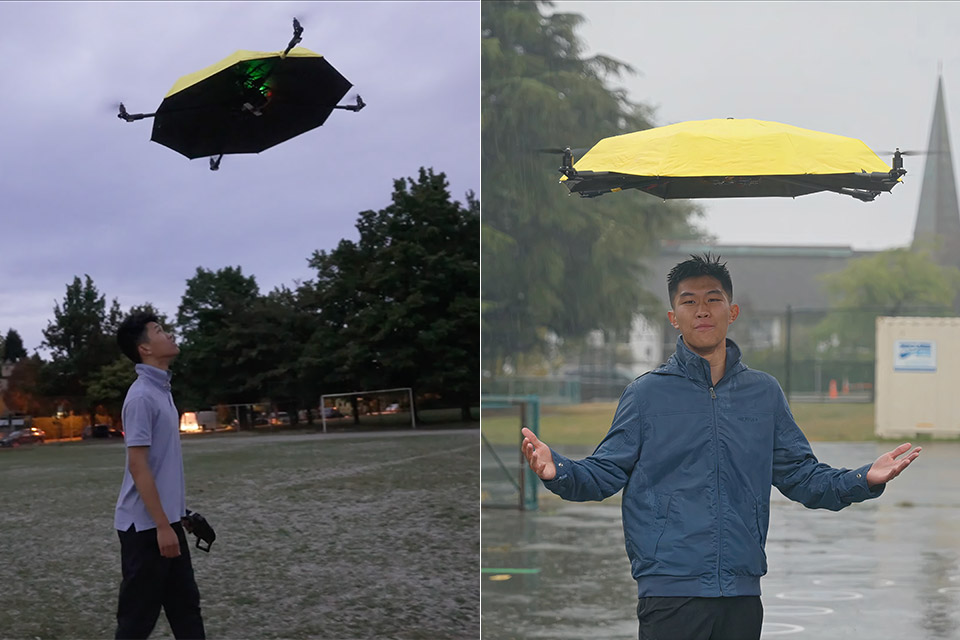
A drone-powered umbrella that hovers above you and follows you around on a rainy day has long been considered pure fiction, but one determined inventor has turned that pipe fantasy into a working reality with his Flying Umbrella 2.0.
The creator behind the YouTube channel ‘I Build Stuff’ spent almost 365 days working on this project. His first iteration (v1.0) needed heavily on human interaction and proved to be a bit of a letdown in practice. So the new version operates on its own, using a time-of-flight camera installed beneath the umbrella to detect the user, shooting light out and analyzing the phase shift of the returning waves to create a very accurate 3D picture of the environment. Then it feeds all of that data to a Raspberry Pi in real time, which determines where the person is and sends directions to the flight controller to adjust the propellers so that the umbrella remains directly above the gentleman.
Sale

DJI Neo, Mini Drone with 4K UHD Camera for Adults, 135g Self Flying Drone that Follows You, Palm Takeoff,…
- Due to platform compatibility issue, the DJI Fly app has been removed from Google Play. DJI Neo must be activated in the DJI Fly App, to ensure a…
- Lightweight and Regulation Friendly – At just 135g, this drone with camera for adults 4K may be even lighter than your phone and does not require FAA…
- Palm Takeoff & Landing, Go Controller-Free [1] – Neo takes off from your hand with just a push of a button. The safe and easy operation of this drone…
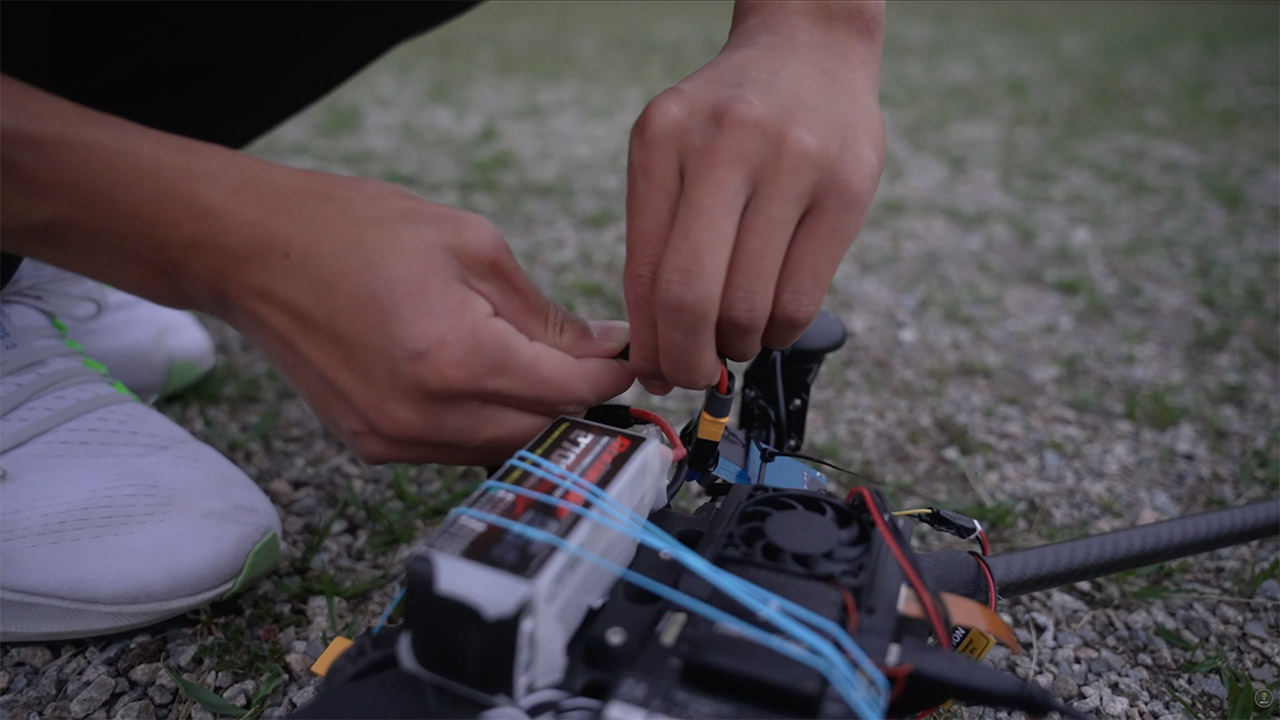
Folding arms are a huge deal since they’re constructed of very tough carbon fiber nylon and can be folded up to fit in a tiny backpack or anything; they even lock in place when not in use. The typical umbrella canopy is attached to the hub in the center of the umbrella, which can be difficult to balance, but that has been resolved. Early tests saw him using a separate drone frame with GPS to keep it stable and to resolve any issues with the motor wiring, vibrations, and PID (Proportional-Integral-Derivative) tuning before integrating everything into the final umbrella structure.
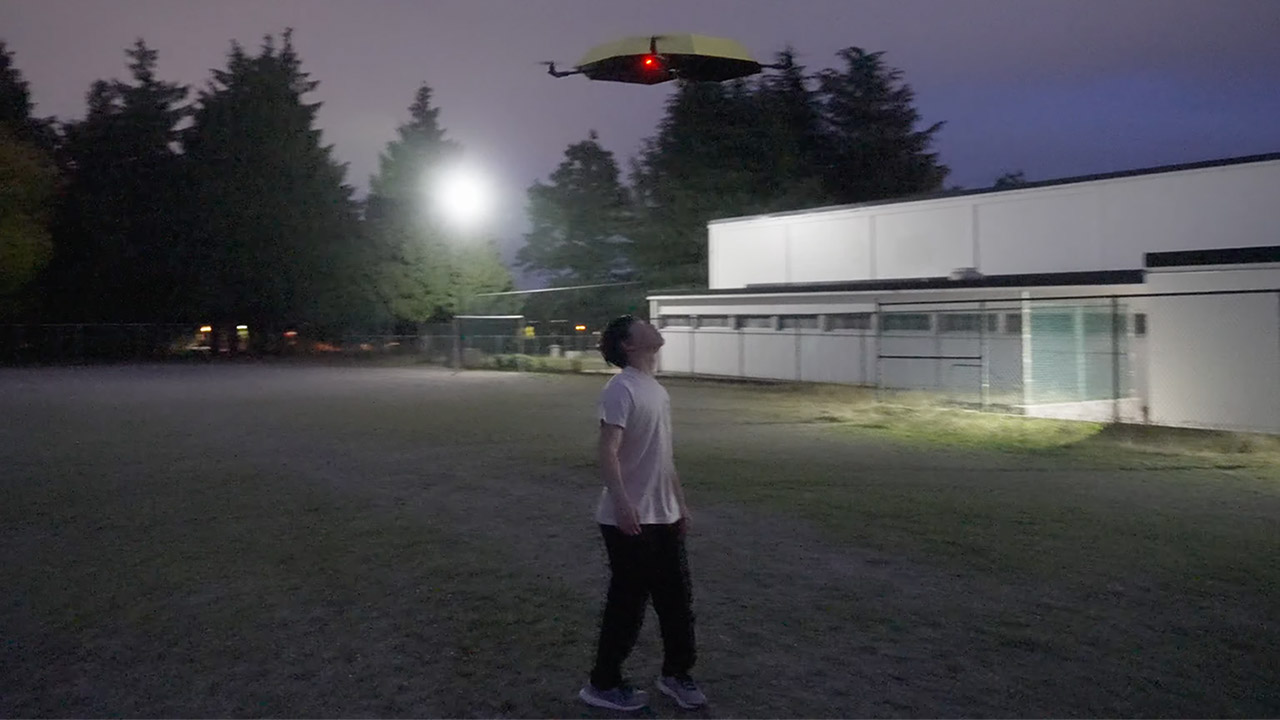
Along the way, there were numerous problems as components failed left, right, and center, such as a bricked Raspberry Pi and the need to repair camera connections that were temperamental. And the GPS wasn’t very good, so they moved their focus to a depth-sensing technique that would provide much better accuracy over short distances. Henson, a brilliant bloke, came on board and fixed the code for accurate head tracking. Basically, after all the late nights, restarts, and learning to just get it done rather than perfect it, the thing finally took off.

Inventor Unveils Flying Umbrella 2.0, a Fully Autonomous Drone-Powered Umbrella
#Inventor #Unveils #Flying #Umbrella #Fully #Autonomous #DronePowered #Umbrella