Innovative Postage Stamp-Sized Brain Implant Arrives
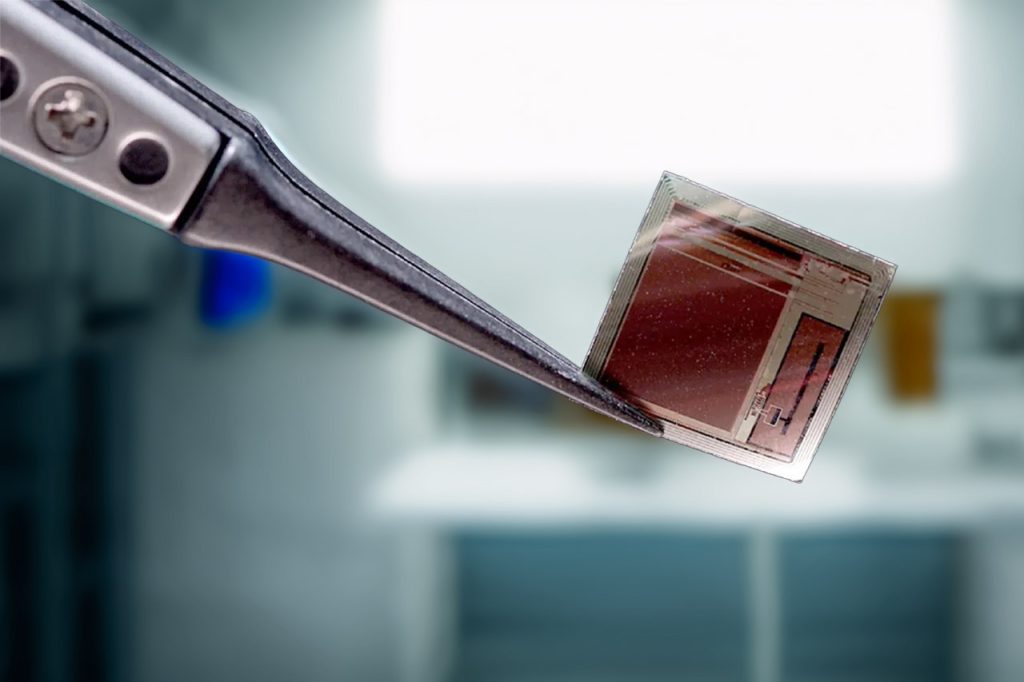

Columbia University researchers are collaborating with Stanford, the University of Pennsylvania, and New York Presbyterian Hospital to create a revolutionary new brain-computer interface. This chip fits snuggly on a single square of silicon that is hardly thicker than a human hair.
This is the Biological Interface System to Cortex (BISC). From the top, this item is roughly the size of a postage stamp, although it appears to be just around 3 cubic millimeters in total. To make this work, engineers reduced the chip to 50 micrometers, which is small enough to bend and fit to the curves of the brain.

Ray-Ban Meta (Gen 1), Skyler, Shiny Black | Smart AI Glasses for Men, Women — 12 MP Ultra-Wide Camera,…
- #1 SELLING AI GLASSES – Move effortlessly through life with Ray-Ban Meta glasses. Capture photos and videos, listen to music, make hands-free calls or…
- CAPTURE WHAT YOU SEE AND HEAR HANDS-FREE – Capture exactly what you see and hear with an ultra-wide 12 MP camera and a five-mic system. Livestream it…
- LISTEN WITH OPEN-EAR AUDIO — Listen to music and more with discreet open-ear speakers that deliver rich, quality audio without blocking…
When surgeons implant this device, they cut a small hole in the skull and slide it right between the brain and the inner lining. It settles on the brain’s outer layer without reaching deeper tissue. The best thing is that no wires pass through the skin or anchor to the bone, resulting in less irritation and a clearer signal for much longer.
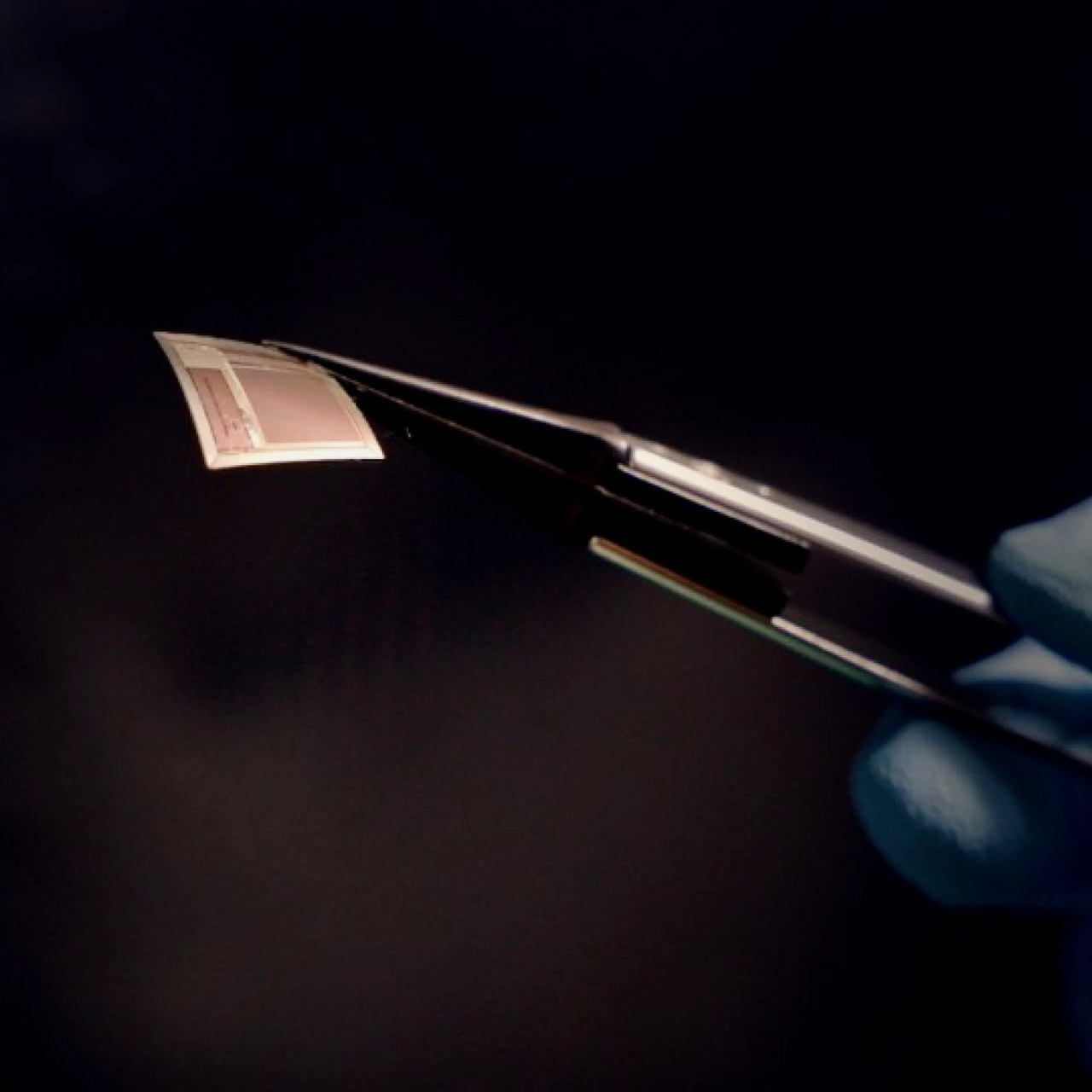
There are 65,000 tiny electrodes on that one chip, and they can detect electrical patterns from neurons across a large area of the brain. The BISC can capture 1024 channels at once and send mild electrical pulses back to the brain via another 16,384 channels, which is rather astounding to say the least.
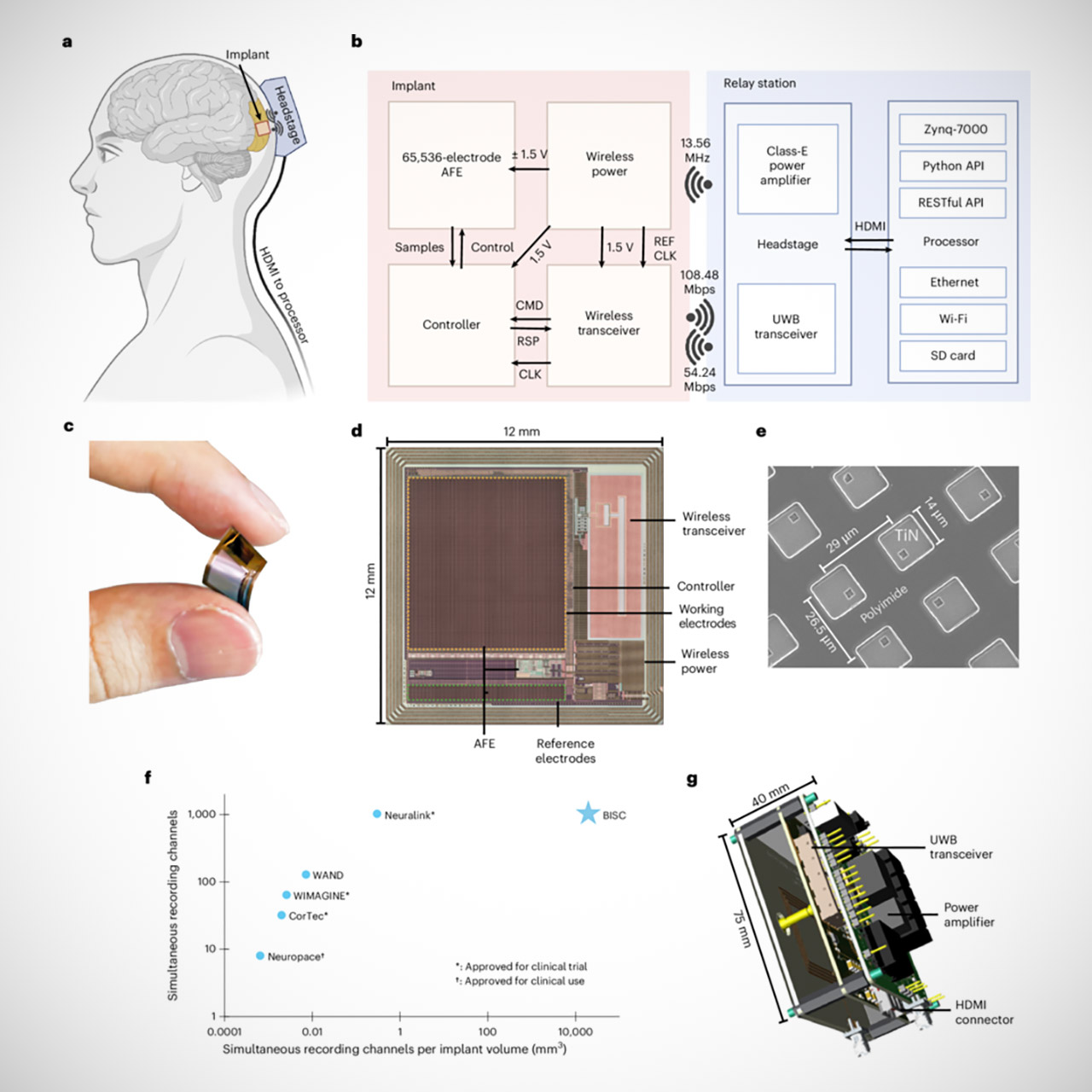
Power is delivered by a tiny compact unit worn on the outside of the body, similar to a headband or sports cap. That same unit allows data to be transmitted at speeds of up to 100 megabits per second, which is significantly quicker than previous wireless brain implants. The data is subsequently transmitted to PCs or smartphones via Wi-Fi. Surprisingly, all of the electronics required to make this thing work are built right into the chip: amplifiers to boost those faint brain signals, converters to convert them into digital data, transmitters for wireless transmission, and circuitry to manage power, all crammed into a tiny little package thanks to advanced semiconductor technology.
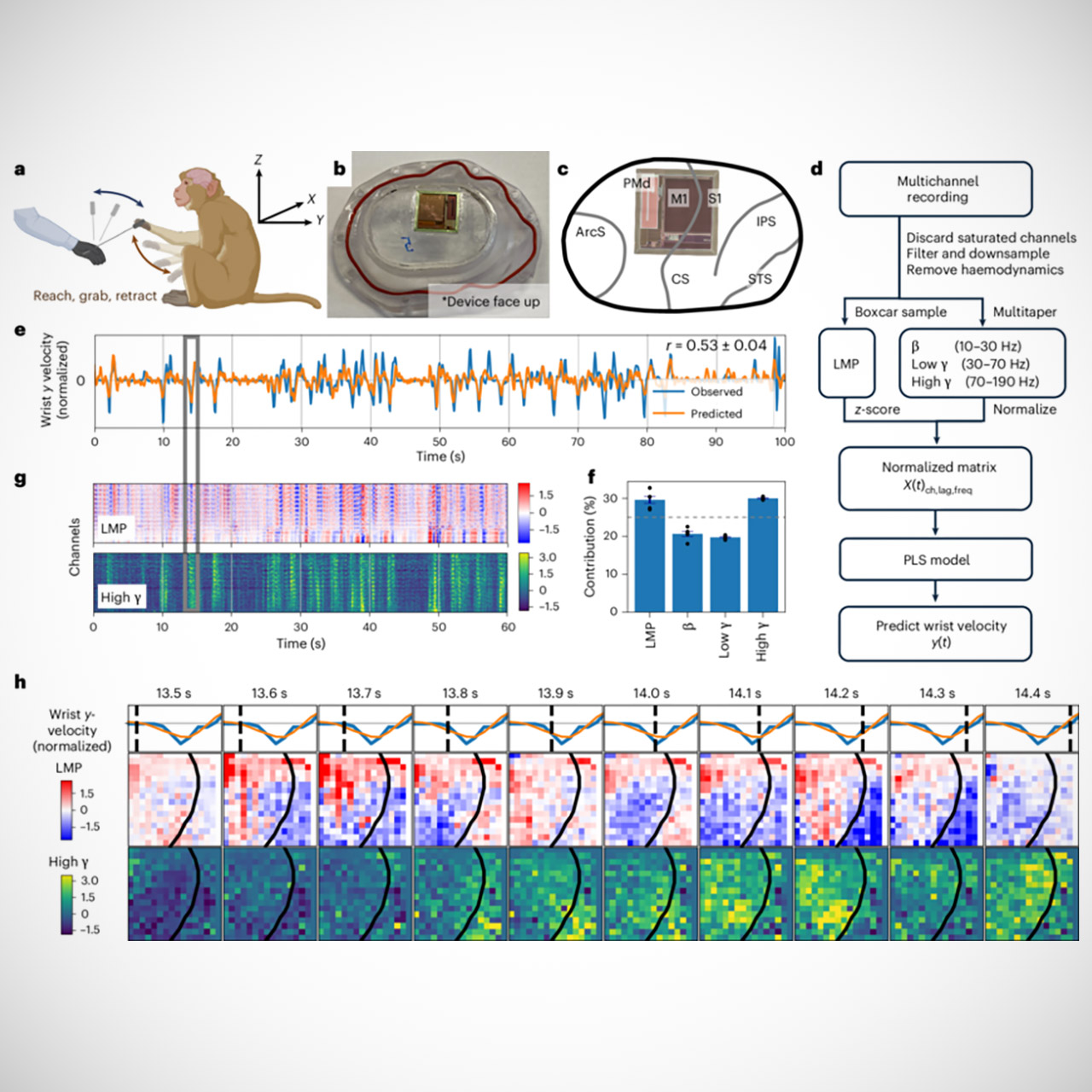
The electrodes gather up signals that transmit a variety of vital information, including movement plans, sensory experiences, and even what you want to accomplish. When you run them through an artificial intelligence model, they can begin to take on activities, such as moving a cursor, creating words from your thoughts, or controlling objects.
Early animal experiments demonstrated that the implant could record stable, high-quality signals from the brain’s motor and visual centers for lengthy periods of time. Even with short-term recordings during human procedures, the results were as expected, with full-scale human trials planned in the future. People with locked-in syndrome caused by strokes, ALS, spinal injuries, or severe epilepsy will be the first to benefit.
With so much data coming in at such a rapid pace, the idea of precise seizure control or speech and mobility restoration through neuroprosthetics is becoming more likely. Who knows, maybe in the future we’ll be able to establish a direct link between brains and AI systems, allowing us to transmit messages with our thoughts or command machines at whim.
[Source]
Innovative Postage Stamp-Sized Brain Implant Arrives
#Innovative #Postage #StampSized #Brain #Implant #Arrives