Reviving Nintendo’s Forgotten 3D Virtual Boy Experiment is More Work Than You Think
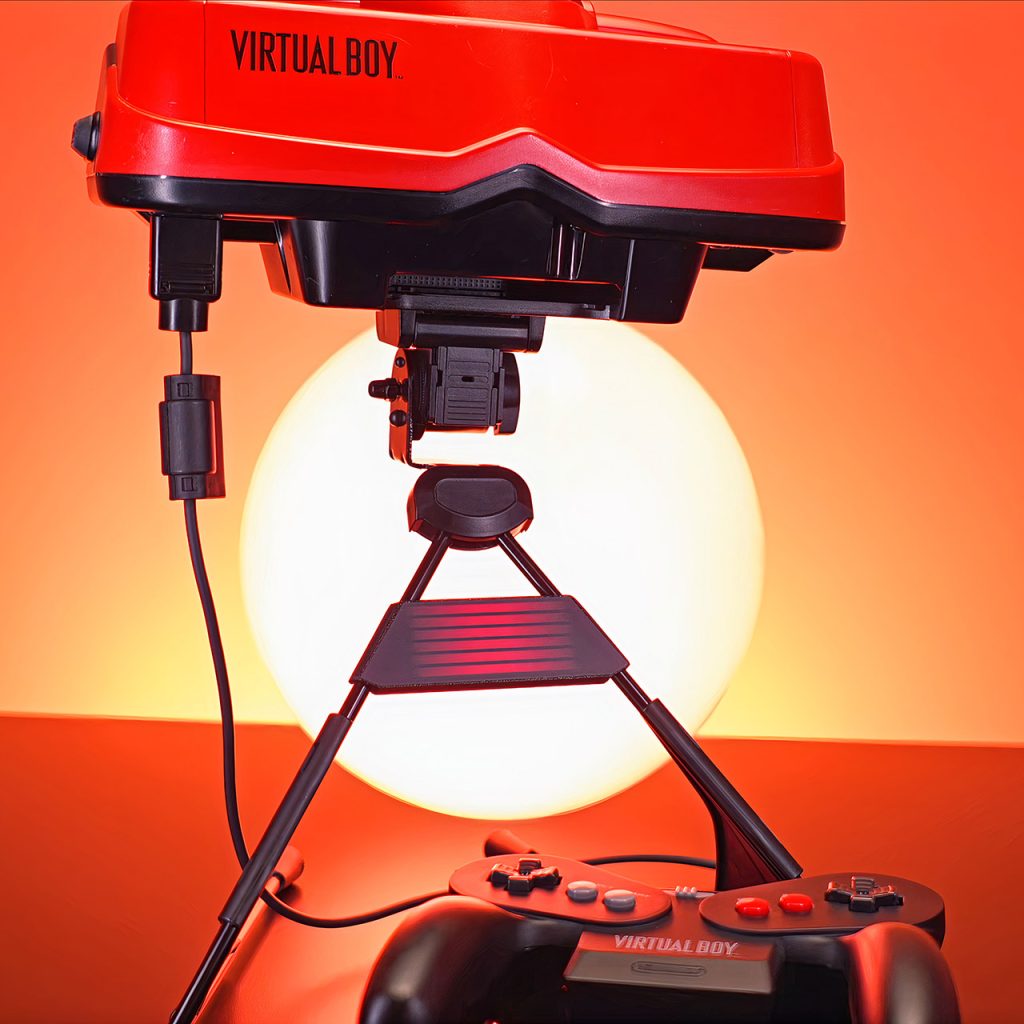
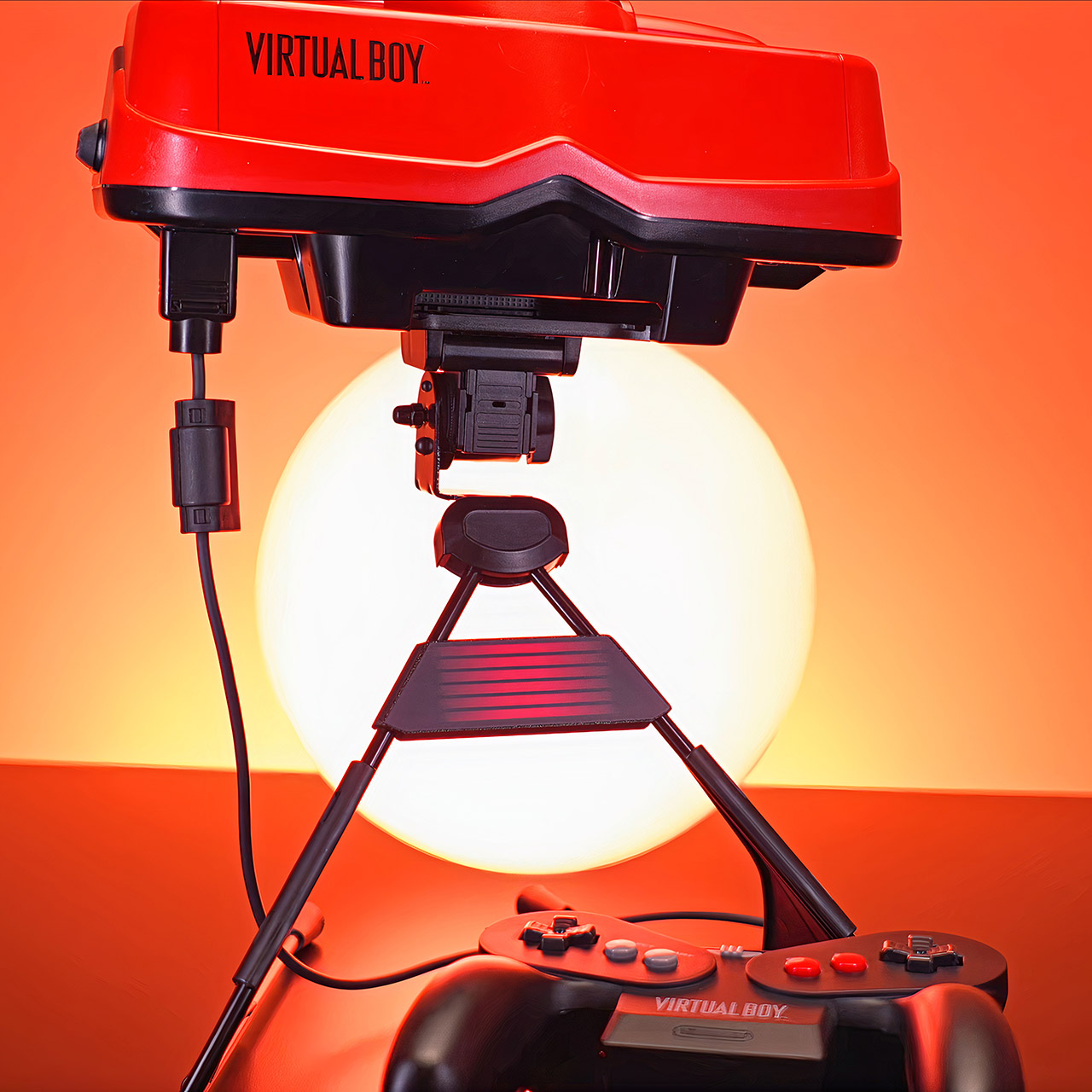
Nintendo introduced the Virtual Boy in 1995, with big promises for 3D gaming at home. Players looked through a binocular-style viewer mounted on a tabletop stand, which combined two distinct red LED screens with shaky vibrating mirrors to generate depth. However, the console sold fewer than 800,000 units worldwide before Nintendo discontinued it less than a year later.
Several fundamental design decisions rendered the system a failure from the outset. Long gaming sessions resulted in headaches and eye strain due to the red monochromatic glare and the need to stare attentively at it. The stand itself was poorly built, causing users to bend over and experience neck pain even after brief playtimes. When it wasn’t plugged in, the battery life dropped dramatically, and the heavy headpiece was difficult to adjust to. Worst of all, the flexible ribbon cables that connected the LED displays to the main board kept failing when the adhesive wore out, leaving one or both eyes with blank screens, as seen on the majority of surviving units today.
Sale

Meta Quest 3S 128GB | VR Headset — Thirty-Three Percent More Memory — 2X Graphical Processing Power…
- Transform your reality and do everything you love in totally new ways. Now you can get exclusive in-game Gorilla Tag items and 1000 shiny rocks when…
- NO WIRES, MORE FUN — Break free from cords. Game, play, exercise and explore immersive worlds — untethered and without limits.
- 2X GRAPHICAL PROCESSING POWER — Enjoy lightning-fast load times and next-gen graphics for smooth gaming powered by the SnapdragonTM XR2 Gen 2…
Enter Tito from Macho Nacho Productions, a modder known for undertaking extremely complex retro console restorations. In a recent effort, he took a broken Virtual Boy and made a series of improvements to address its key problems. He began by addressing the primary display issue. The original ribbon cables that carried the signal to the LED arrays used a form of adhesive that tended to break down with age, resulting in a blank screen. Temporary fixes, such as heating the cables, occasionally worked, but the problem always returned.
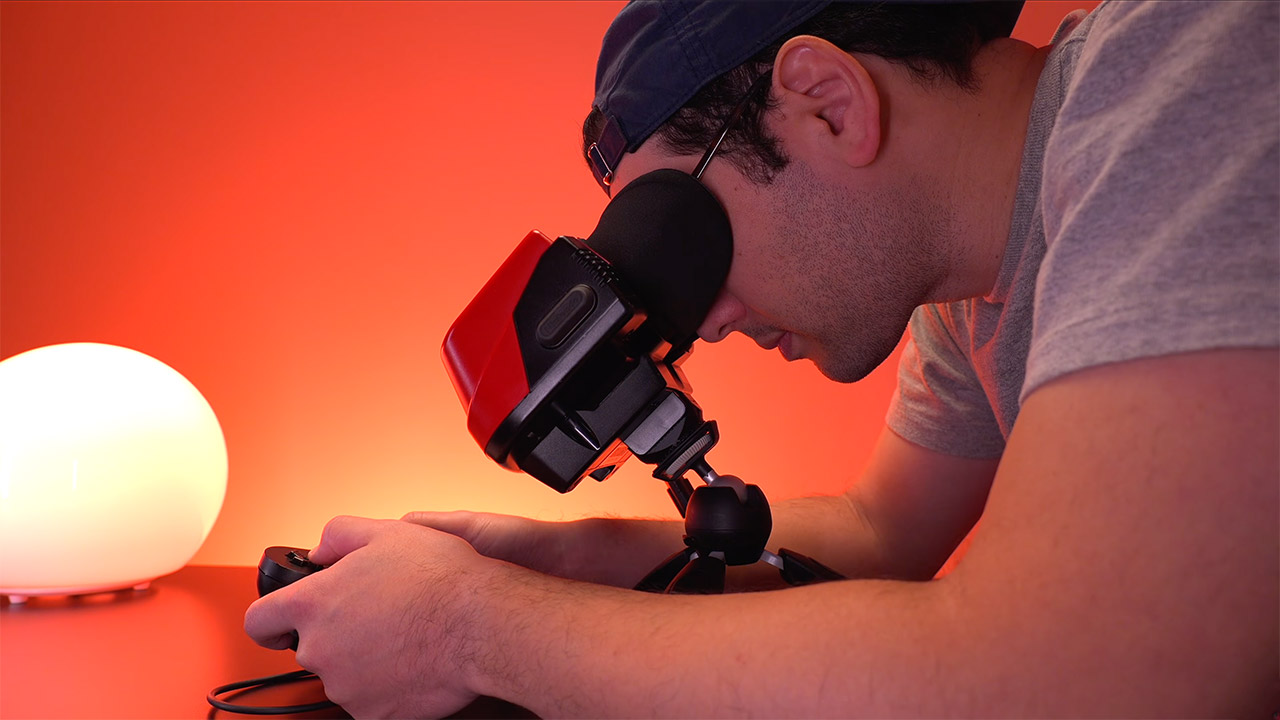
Tito reasoned that using a virtual ribbon repair kit would be an appropriate approach. So he carefully disassembled the unit, ripped out the faulty ribbon cables from each eye module, and soldered in some new flexible circuits designed expressly to address the issue. Once he confirmed continuity and alignment, both displays lit up perfectly, restoring the complete 3D effect without flickering or black patches.
The next step was to address the comfort issues. The original foam eyeshade on many of the units had broken, allowing light in and causing pain against the face. Tito fixed that by adding a new EyeShade holder, a 3D printed component that allows you to insert a softer, more contemporary foam pad that blocks out light far better and is far more comfortable to wear for extended periods of time.
The flimsy stand was another source of irritation for many people. The legs of the first one wobbled and didn’t even enable you to change the height, making it a real pain in the neck. Tito addressed this by installing a stronger brace kit and fastening metal supports to the foundation. Now the device is rock solid and allows you to adjust the angle to your liking to keep the strain off of your neck.
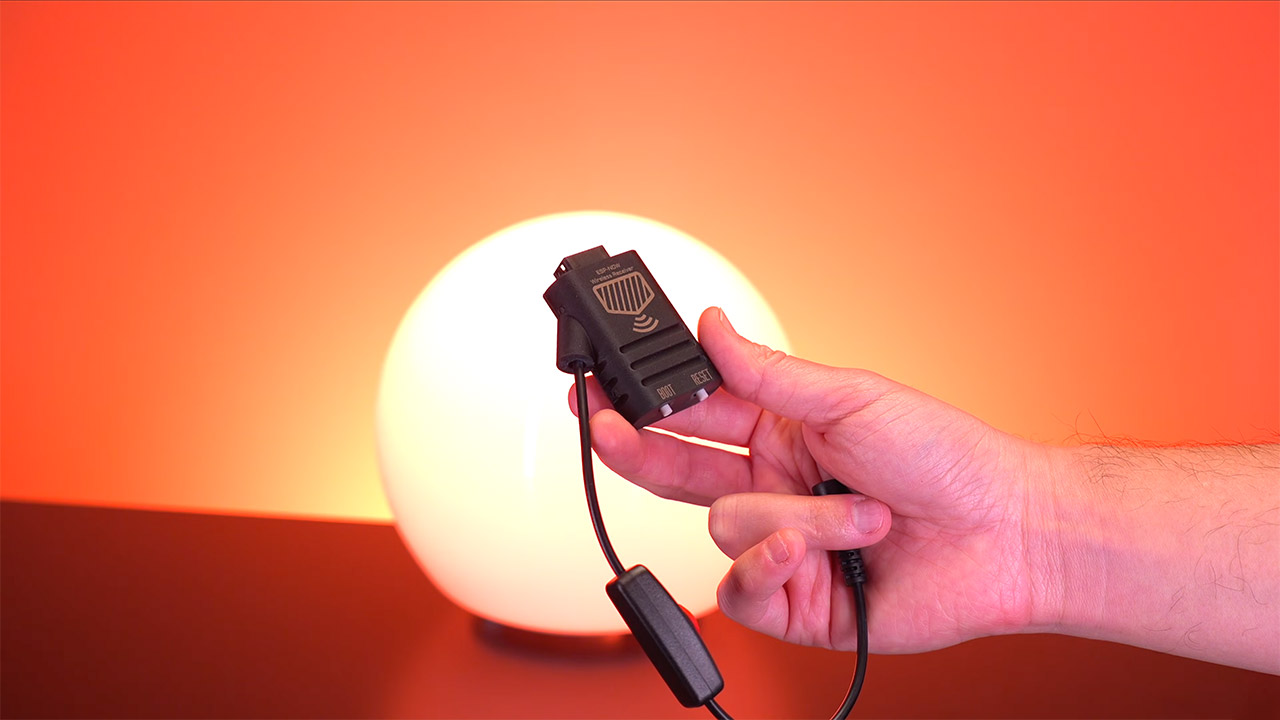
Power delivery also received an update. Originally, the Virtual Boy required hefty AA batteries or a special AC adaptor. Tito installed Virtual Juice, a USB-C charging board that replaced the previous power input. The console now takes power from any regular USB-C cable or portable battery, eliminating the need for rare original adapters and allowing for longer untethered sessions.
The condition of the lenses was important because the originals could get scratched and cloudy, blurring the image and ruining the entire 3D illusion. Tito installed some spanking new lenses, which sharpened things up and made games like Mario’s Tennis and Wario Land appear to spring out in 3D.
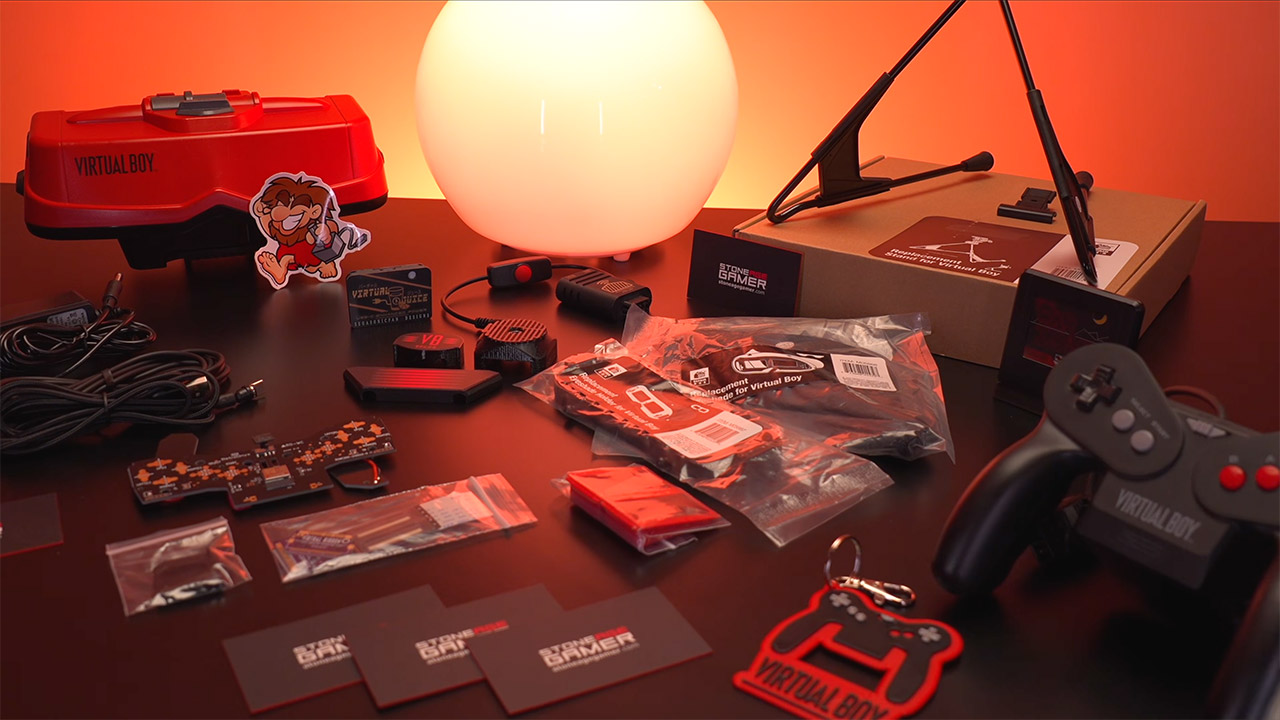
Assembly was completed with some TLC, including tuning the interpupillary distance and focus wheels to ensure that everything was sharp and brilliant in both eyes. The best part is that Tito tested everything to ensure it was ready to go, including brilliant displays, no light bleed, and a strong system that can withstand hours of playtime without breaking a sweat.
Reviving Nintendo’s Forgotten 3D Virtual Boy Experiment is More Work Than You Think
#Reviving #Nintendos #Forgotten #Virtual #Boy #Experiment #Work