Why Open Source contributions matter when choosing your DevOps partner
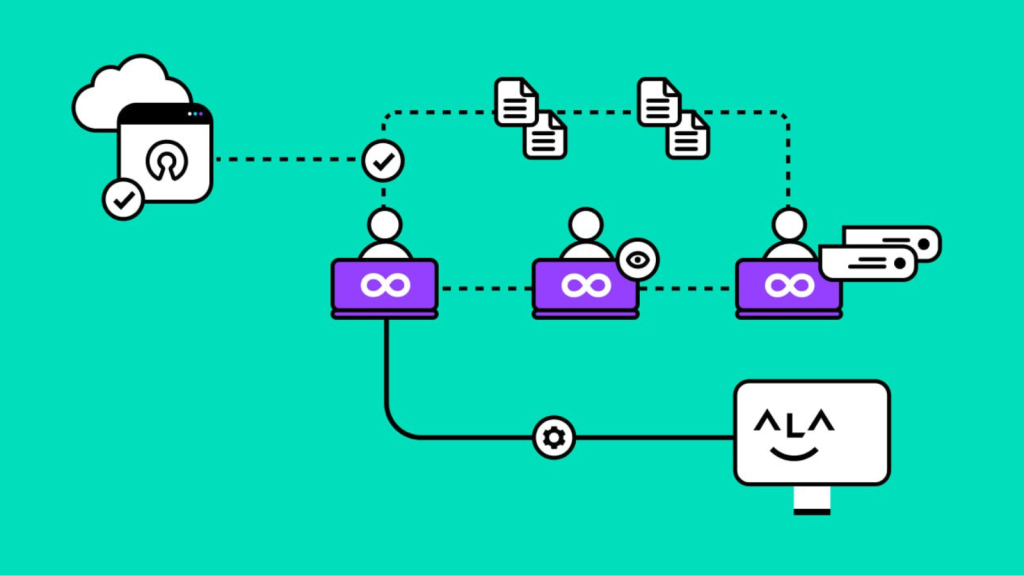
Photo courtesy of Palark.
Opinions expressed by Digital Journal contributors are their own.
The DevOps consulting market is crowded with vendors claiming Kubernetes expertise. Marketing websites showcase impressive client logos, case studies tout successful migrations, and sales decks promise “battle-tested” infrastructure knowledge. But behind the polished messaging, technical capabilities vary dramatically.
For engineering leaders tasked with selecting external DevOps partners, distinguishing genuine expertise from marketing polish presents a significant challenge. Vendor certifications proliferate but rarely indicate practical competency. Client references help but can be carefully curated. Pricing and commercial terms matter but don’t reveal whether a provider truly understands the technologies they’ll be managing.
One signal, however, cuts through the noise with remarkable clarity: meaningful contributions to the open source projects underlying their service offerings.
Open source as technical proof

Open source contribution history provides something rare in enterprise software purchasing: objective, verifiable evidence of technical depth. Unlike internal projects or proprietary tools, open source work is public, reviewable, and subject to community scrutiny.
When a DevOps provider lists “Kubernetes expertise” on their website, their GitHub activity reveals whether they actually understand the platform at the code level or simply deploy it using standard tooling. Contributions to Kubernetes core, meaningful commits to operators and controllers, participation in special interest groups — these activities require deep technical knowledge that can’t be faked.
The difference matters practically. A team that uses Kubernetes can follow documentation and apply established patterns. A team that contributes to Kubernetes understands architectural decisions, anticipates upcoming changes, and can debug issues at levels beyond what standard troubleshooting guides address.
This distinction becomes critical when things go wrong — and in complex distributed systems, things inevitably go wrong. Superficial knowledge suffices during normal operations. True expertise reveals itself during the 3 AM outage when standard remediation steps fail and deep system understanding becomes the difference between quick resolution and extended downtime.
What meaningful contribution looks like
Not all open source activity carries equal weight. A realistic evaluation considers the nature and consistency of contributions rather than crude metrics like commit counts.
Meaningful contribution patterns include code commits to core repositories, not just documentation updates. Participation in architectural discussions and request for comments demonstrates understanding of design tradeoffs. Maintenance of significant operators or extensions shows sustained commitment rather than one-off contributions for marketing purposes.
The Cloud Native Computing Foundation ecosystem provides particular clarity. CNCF member companies contribute to the technologies they advocate — Kubernetes, Prometheus, Envoy, containerd, and dozens of other projects that constitute modern cloud-native infrastructure. Providers ranked among top contributors to Kubernetes have invested years of engineering effort building expertise that directly benefits their clients. According to CNCF DevStats, Palark‘s standing as a Top 100 Kubernetes contributor reflects this sustained technical involvement.
Community engagement extends beyond code contributions. Technical blog posts that provide genuine value to practitioners signal both expertise and willingness to share knowledge. Conference speaking demonstrates recognition by peers who selected talks through competitive technical review processes. Participation in working groups and special interest groups indicates active involvement in shaping technology directions.
This public engagement creates accountability. Technical content published under a company name stakes reputation on accuracy and usefulness. Poor advice or incorrect information gets called out by the community. Organizations actively participating in these forums demonstrate confidence in their technical positions.
Client benefits of partnering with contributors
The advantages of working with providers who contribute to the tools they manage compound throughout the relationship.
Root cause diagnosis improves dramatically when teams understand systems at the code level. When troubleshooting, they can examine actual implementation details rather than relying solely on documentation. This capability matters particularly for issues involving interactions between multiple components — exactly the scenarios that generate the most difficult production problems.
Architectural guidance gains nuance from intimate familiarity with platform capabilities and limitations. Teams making design decisions benefit from partners who understand not just current features but upcoming changes in the project roadmap. This foresight helps avoid architectural choices that will require painful refactoring as platforms evolve.
Active community involvement enables organizations to contribute improvements and fixes directly to the technologies powering their infrastructure. When contributors bring changes upstream, these enhancements become part of the core technology — reducing long-term maintenance burden for your organization and benefiting the broader community. This collaborative approach ensures your infrastructure needs are addressed at the source.
Future-proofing becomes more reliable when partners understand the technical direction of core dependencies. The Kubernetes project, for instance, maintains deprecation policies and upgrade paths — but understanding the practical implications requires following enhancement proposals and architectural evolution discussions.
Beyond technical benefits, open source contribution patterns reveal organizational culture and values.
Companies investing in open source participation demonstrate long-term thinking. Contributing to projects requires allocating senior engineering time without immediate revenue return. Organizations making this investment signal that they value technical excellence and community relationships over short-term profit optimization.
Knowledge sharing through technical content and conference participation indicates willingness to educate rather than hoard expertise. This philosophical approach typically extends to client relationships. Partners who freely share knowledge with the broader community tend to approach client engagements as collaborative knowledge transfer rather than black-box service delivery.
Transparency in public technical forums suggests similar transparency in client relationships. Organizations comfortable discussing technical challenges and tradeoffs in public settings rarely become defensive or evasive when clients ask difficult questions about infrastructure decisions.
Making informed choices
Evaluating potential DevOps partners based on open source involvement requires moving beyond superficial checks. Rather than simply verifying whether a company has a GitHub organization, dig deeper into contribution patterns and community presence.
Look for sustained involvement over years rather than recent activity that might reflect marketing-driven initiative. Examine the nature of contributions — are they meaningful technical work or primarily documentation and marketing materials? Check whether individuals identified as technical leaders within the provider actually participate in project communities under their own names.
When evaluating managed SRE providers, assess their depth of involvement in the specific technologies your infrastructure depends on. A provider’s track record and expertise in your core technologies directly impacts their ability to support complex operational scenarios.
The goal isn’t finding partners who contribute to every possible project — that’s neither realistic nor necessary. The goal is identifying providers whose public technical work demonstrates the depth of expertise they claim in sales conversations and whose genuine investment in community health indicates values alignment with your organization.
In an industry where marketing frequently outpaces reality, open source contribution history provides rare objective evidence of technical capability. Organizations selecting DevOps partners would be wise to make this factor central to their evaluation process rather than an afterthought.
Why Open Source contributions matter when choosing your DevOps partner
#Open #Source #contributions #matter #choosing #DevOps #partner